
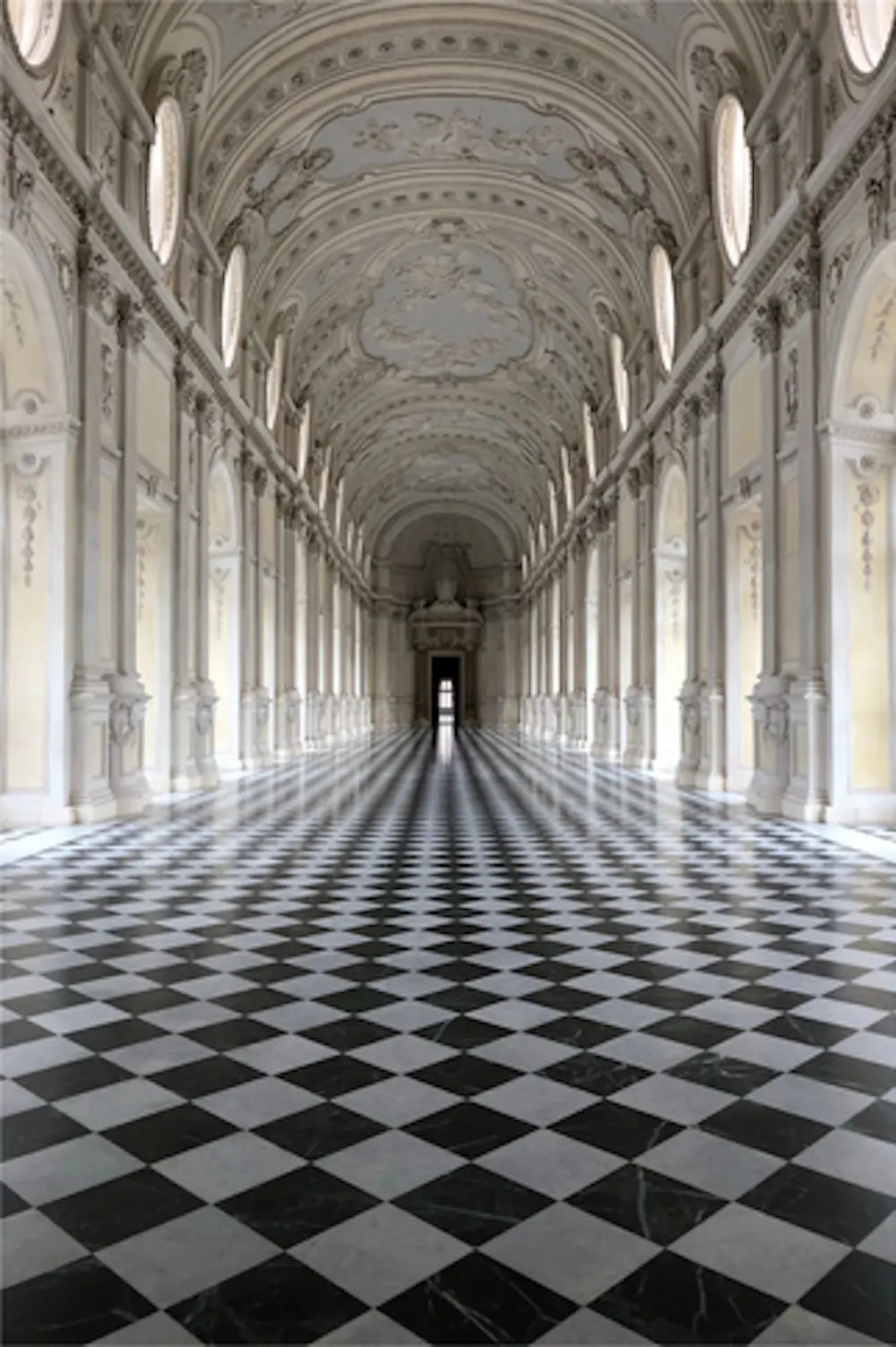
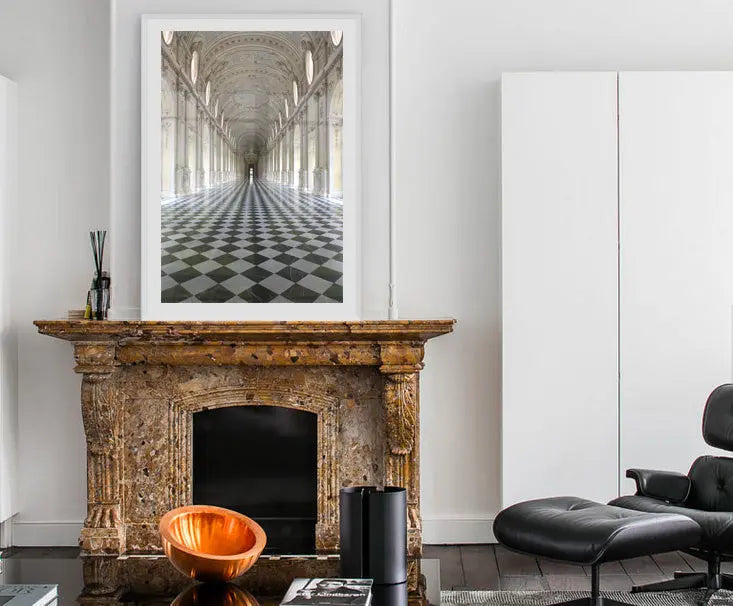
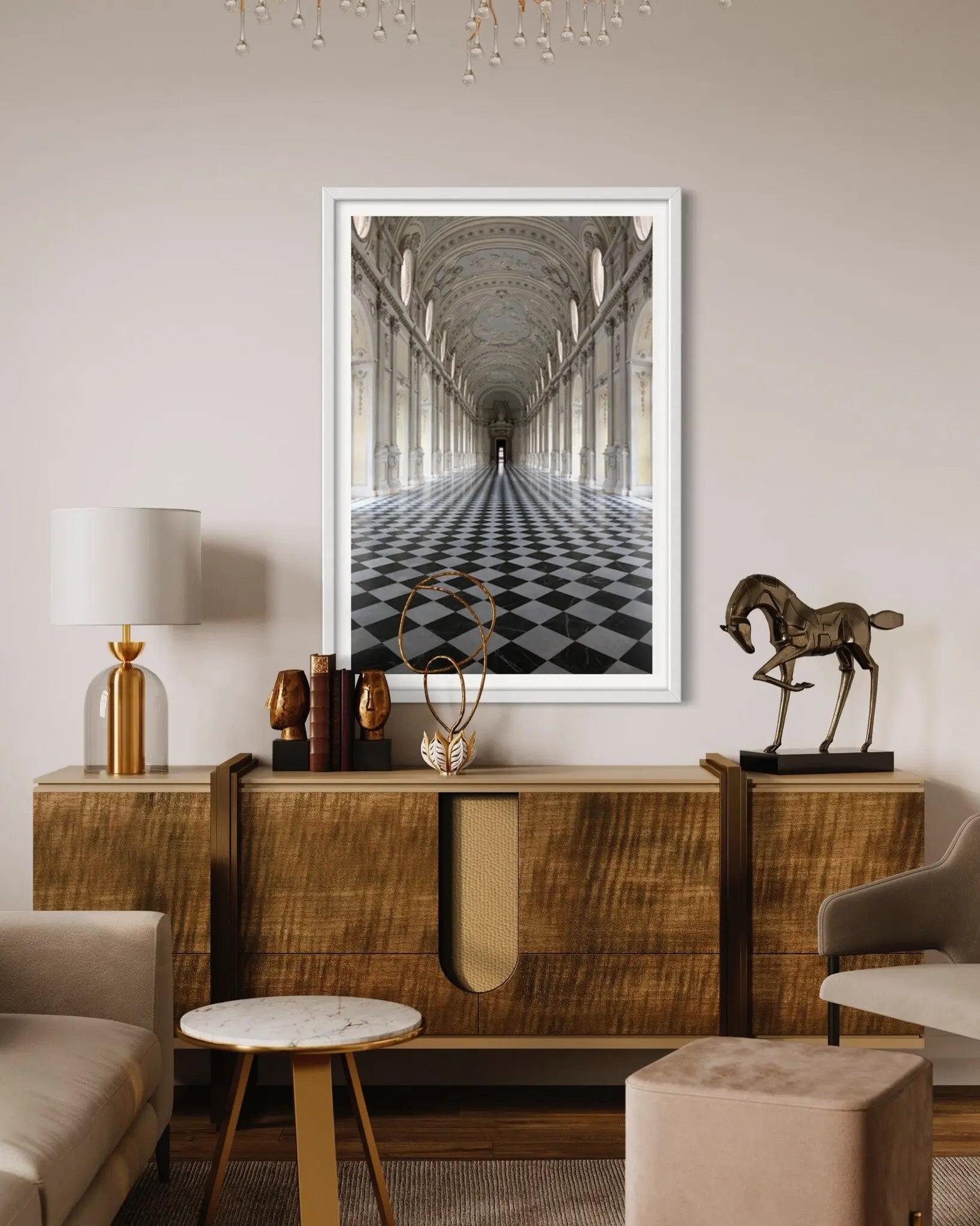
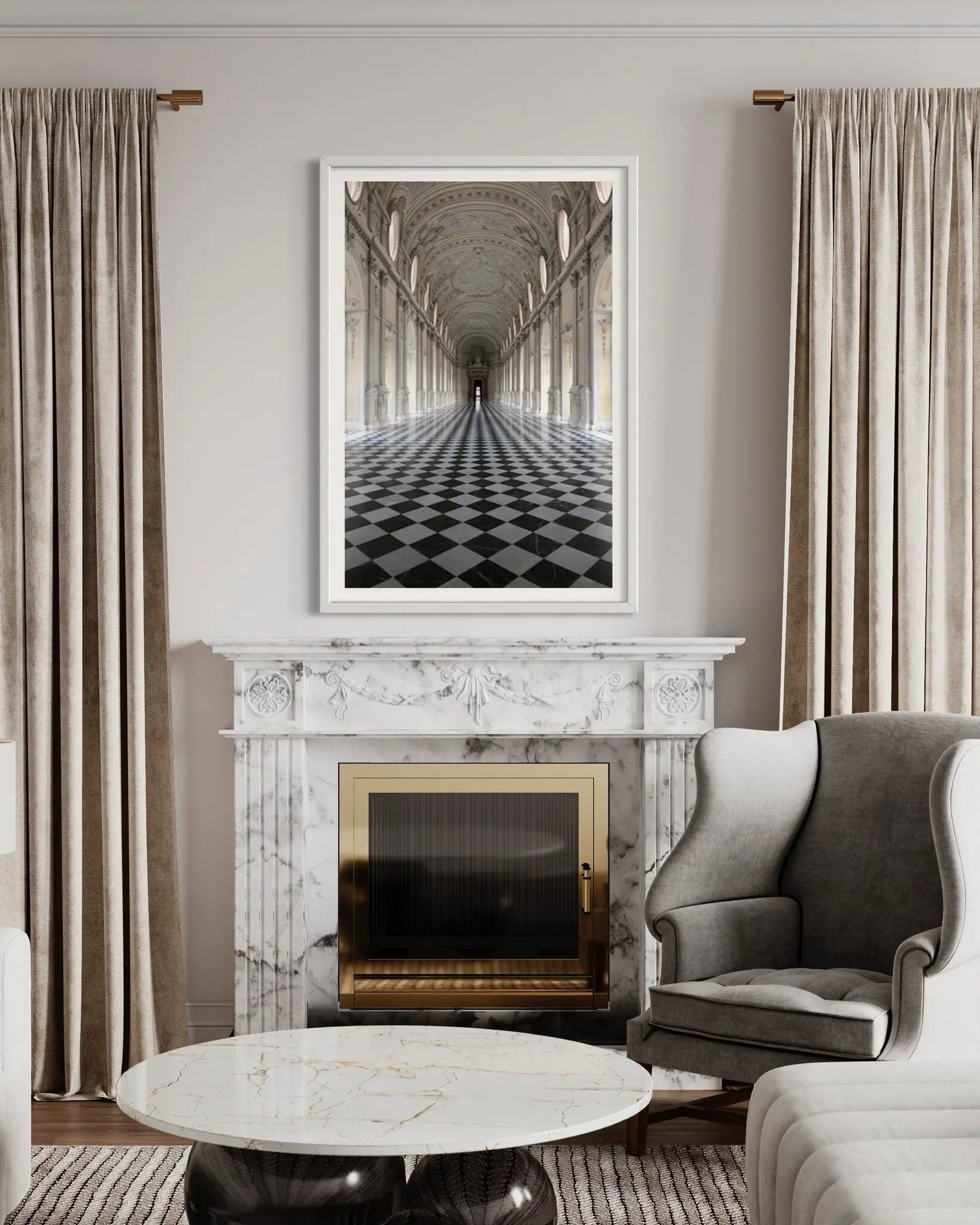


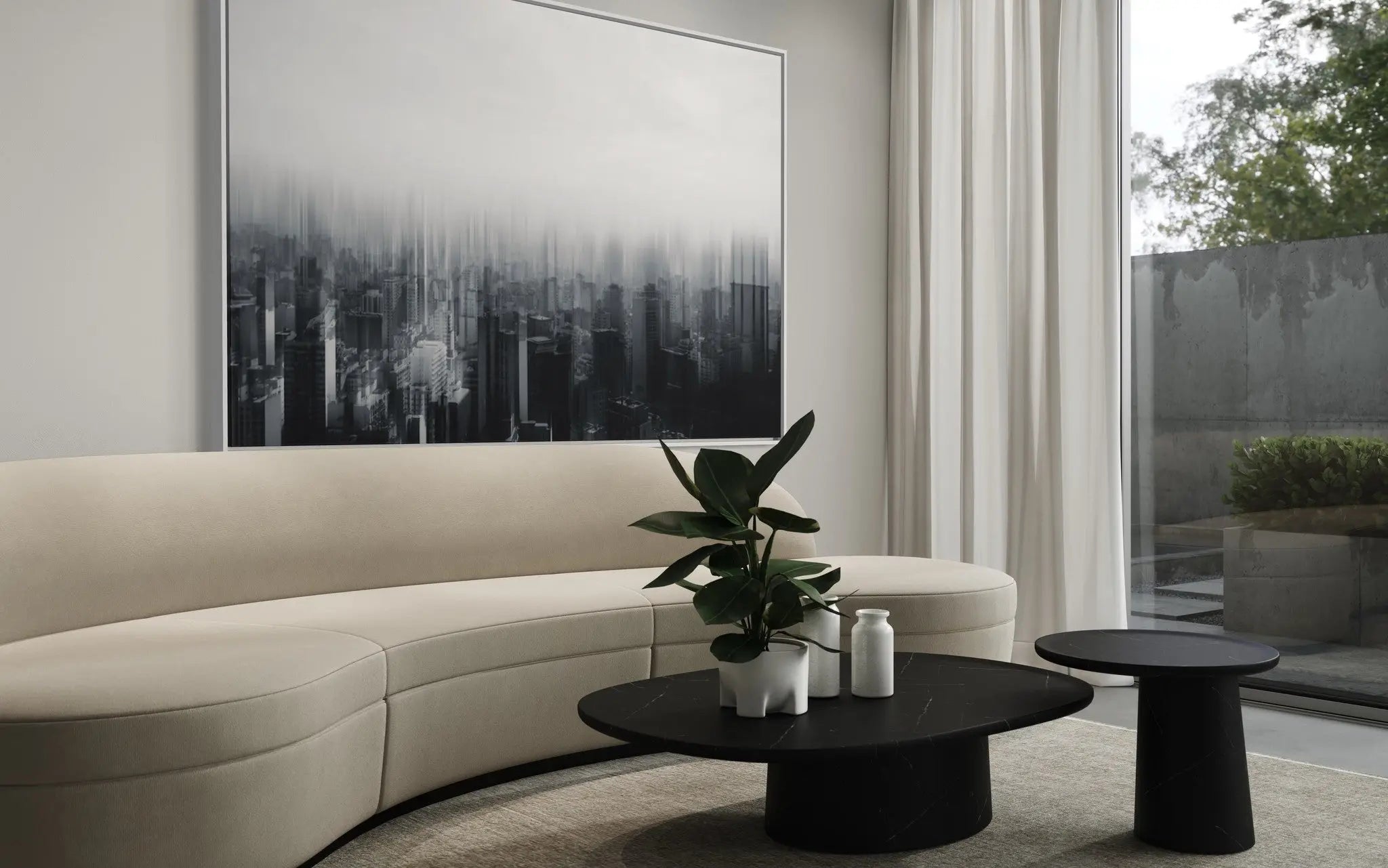
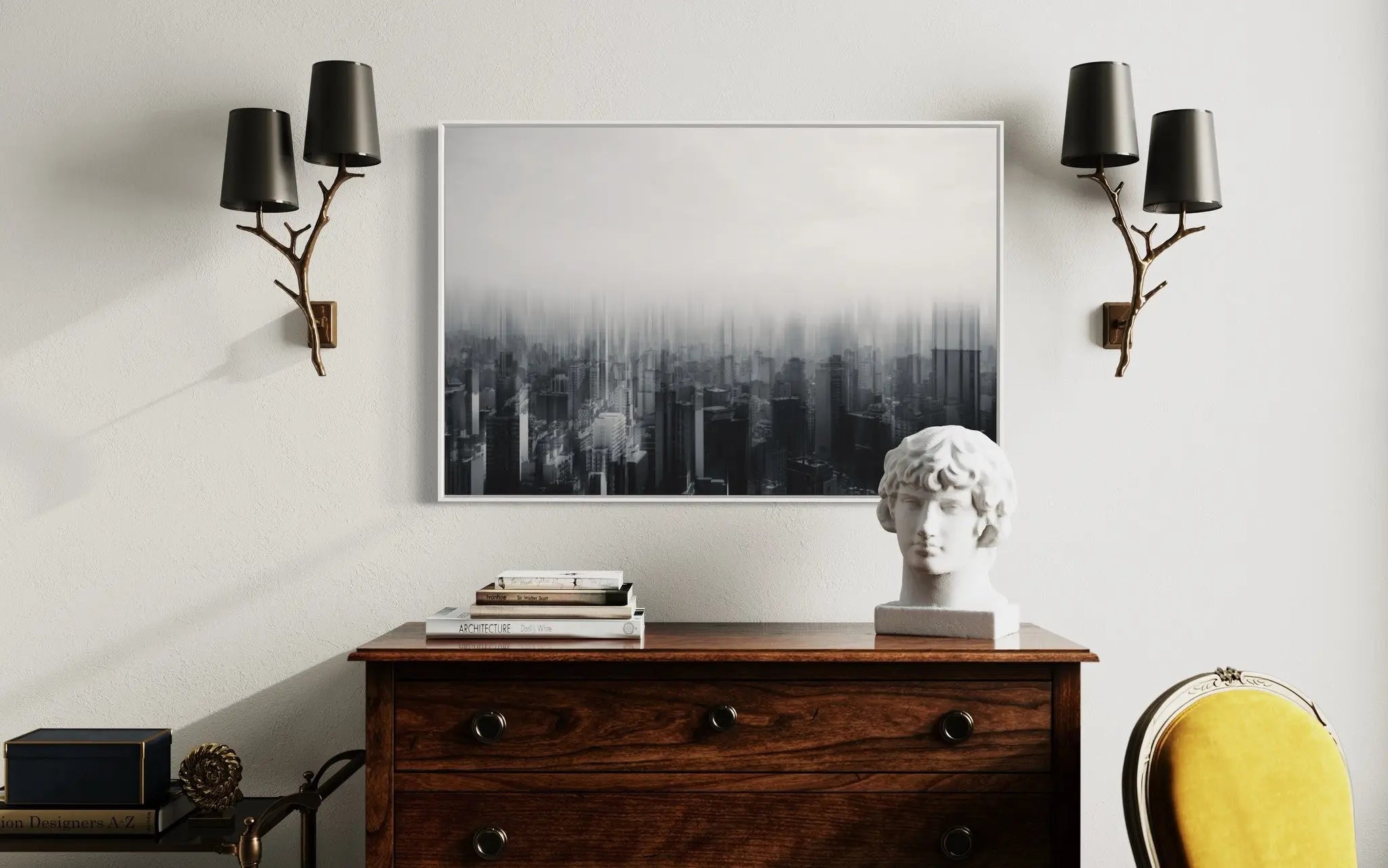
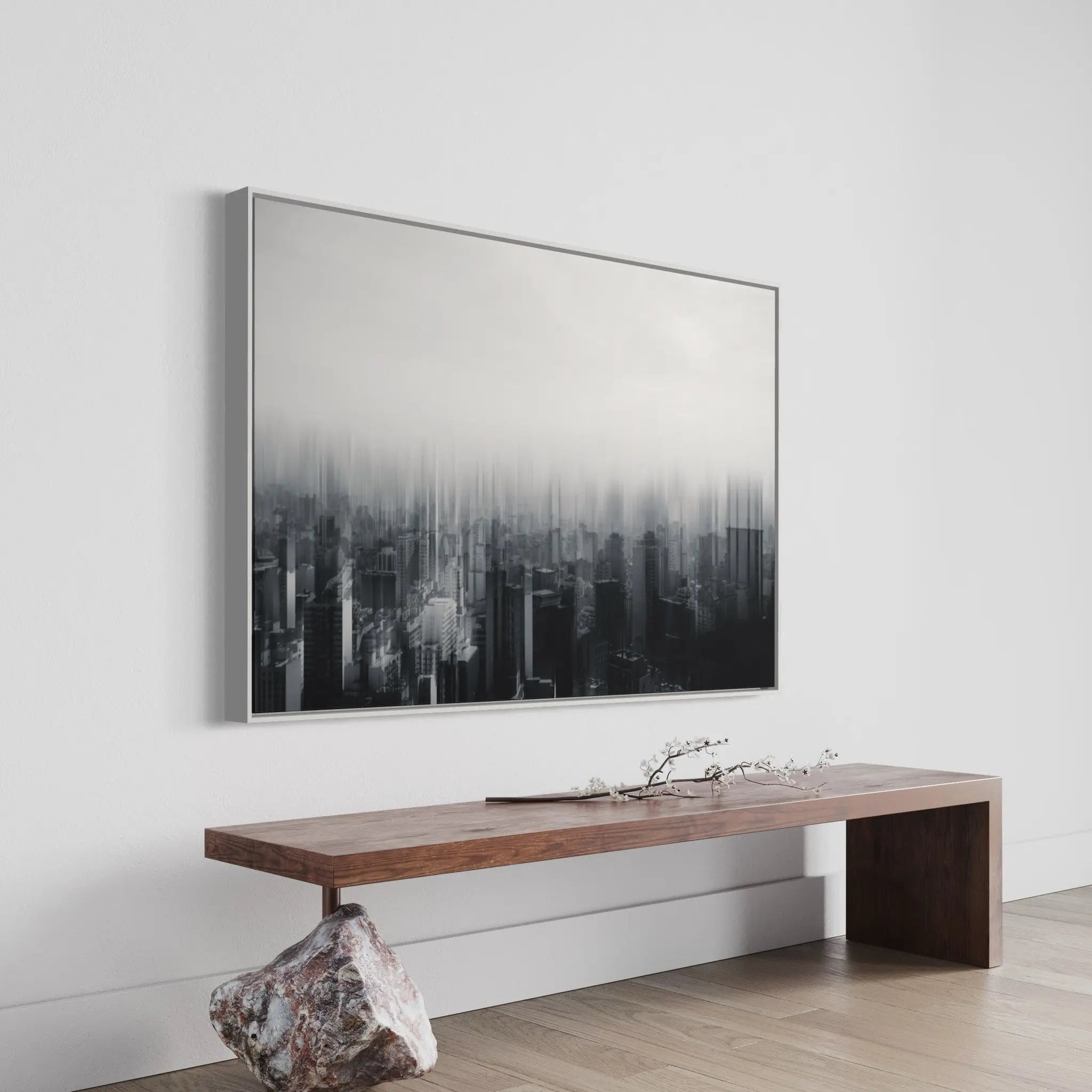


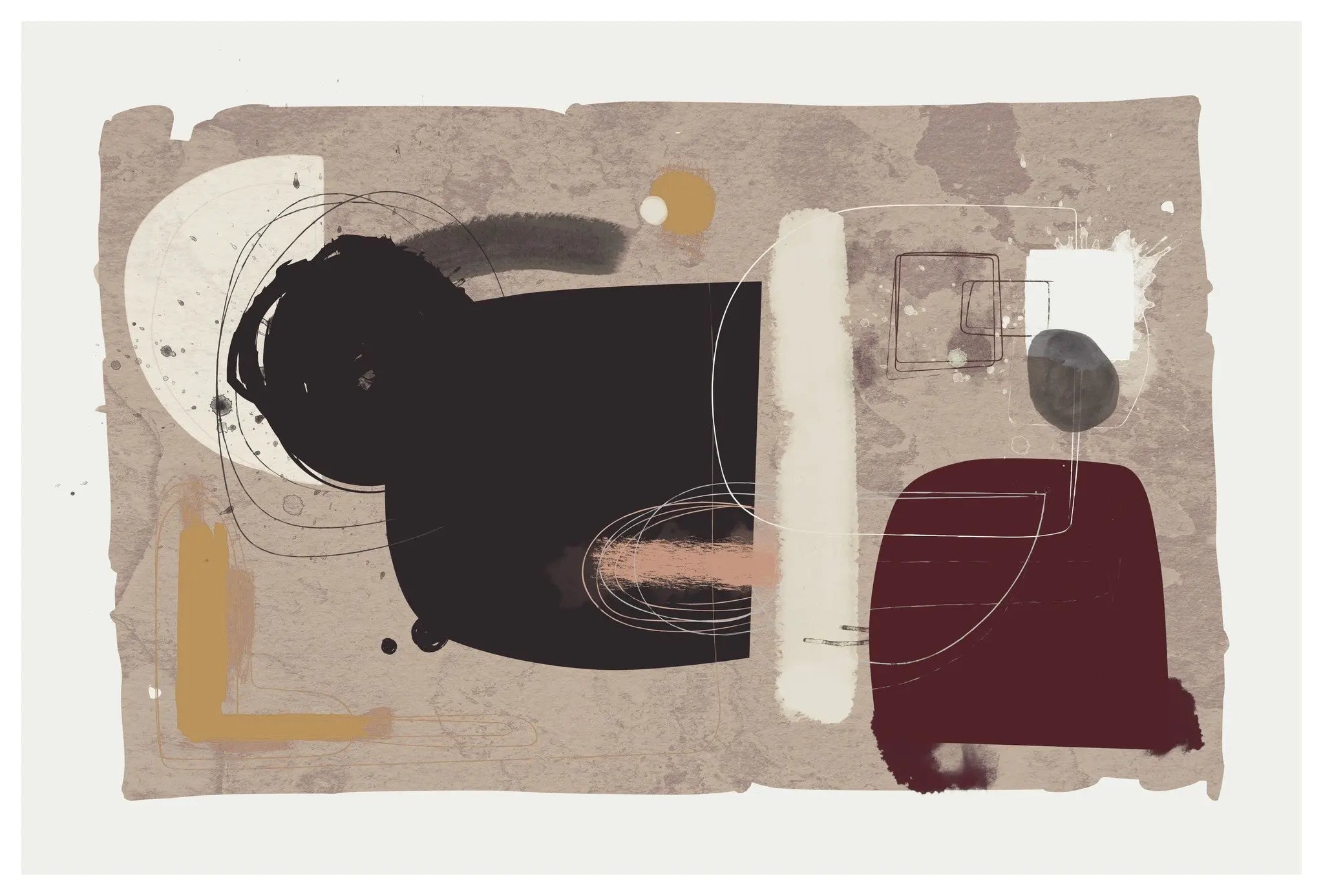



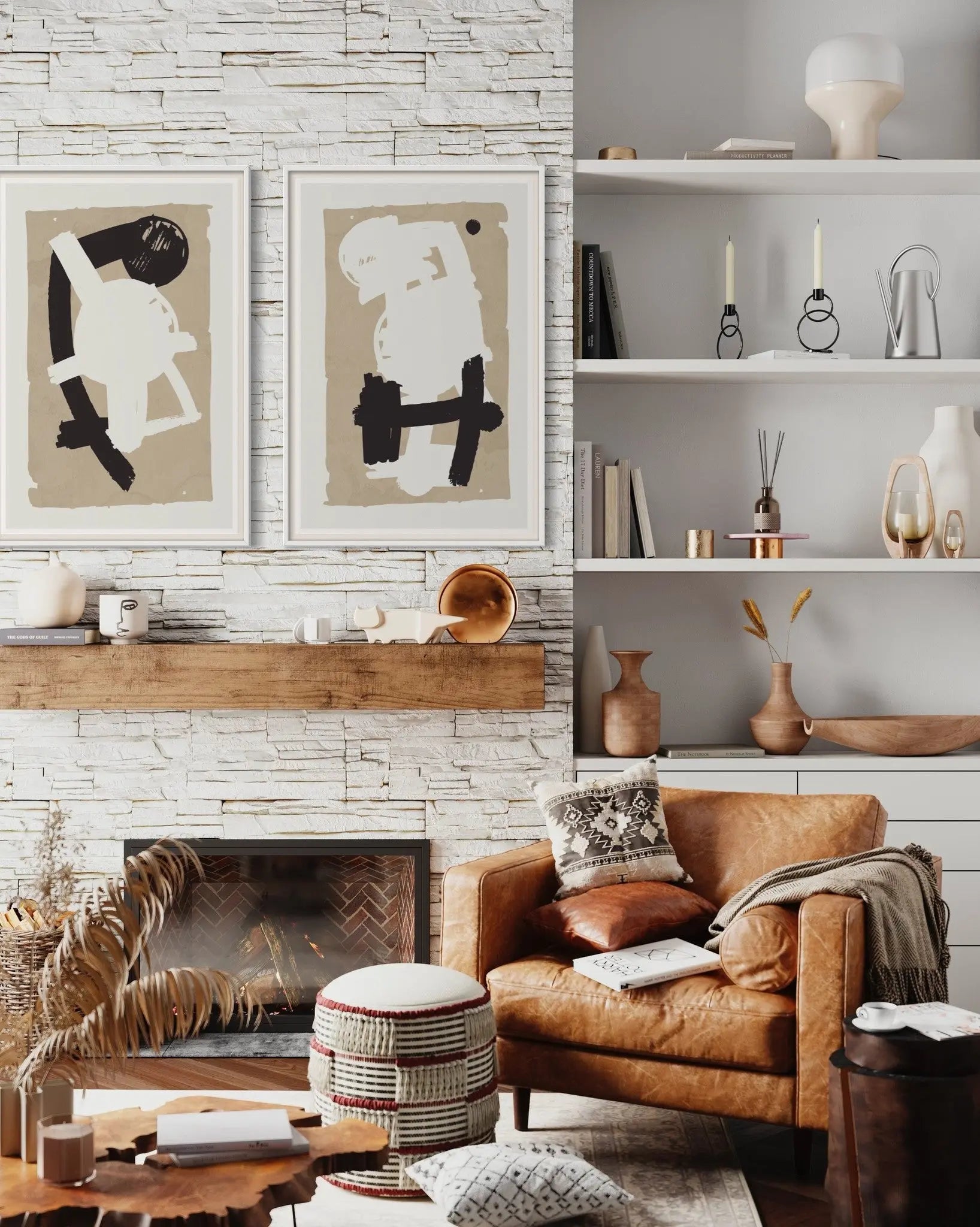
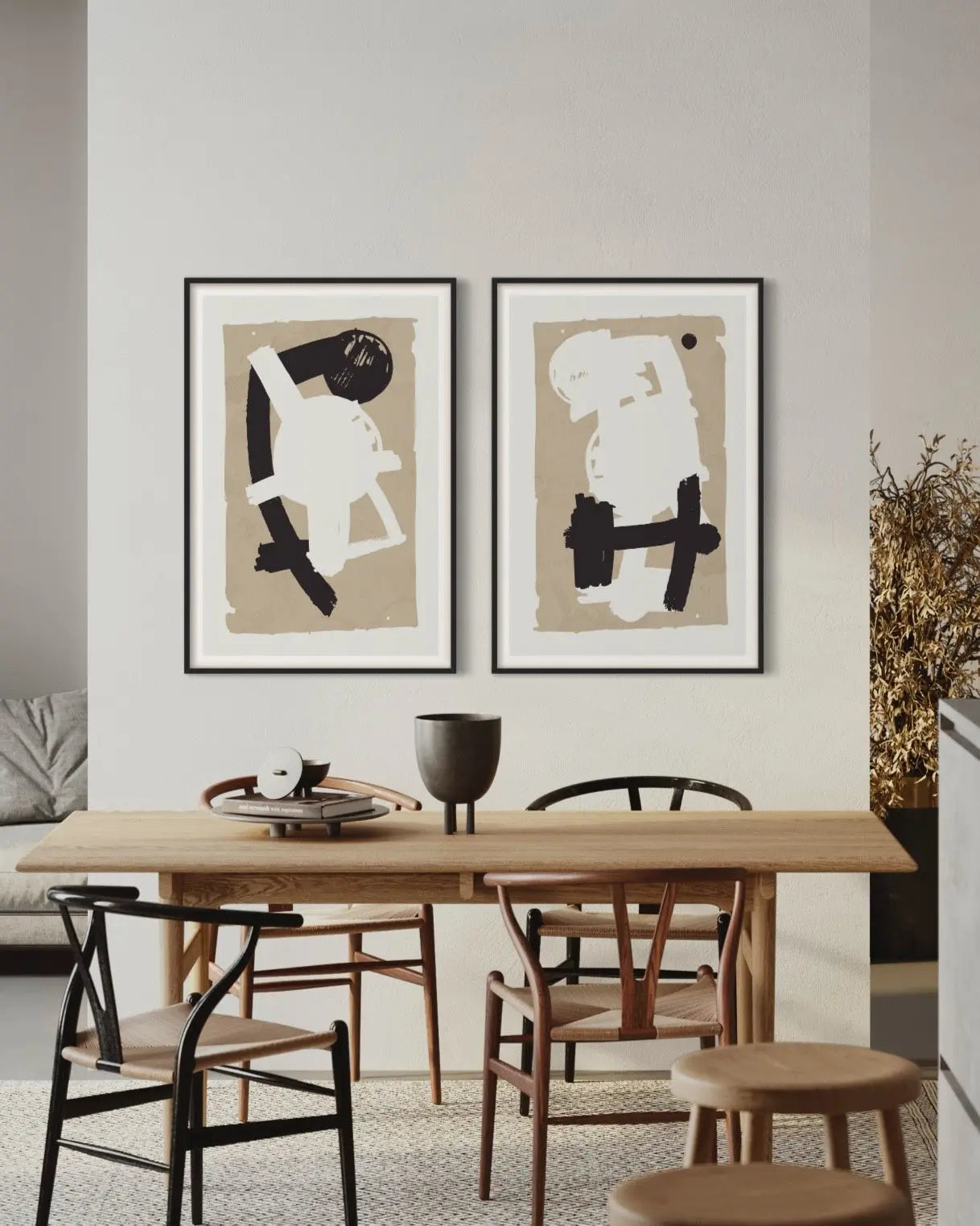
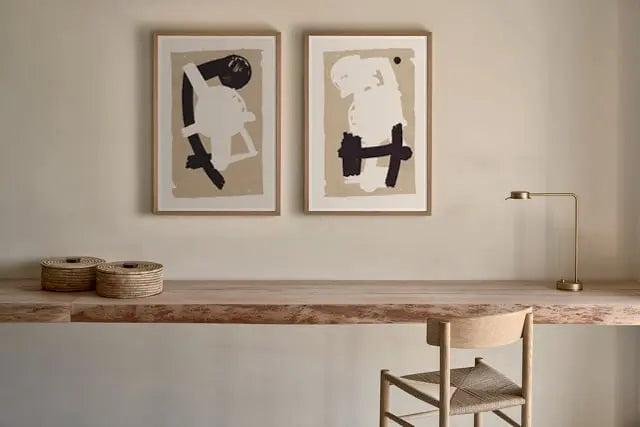
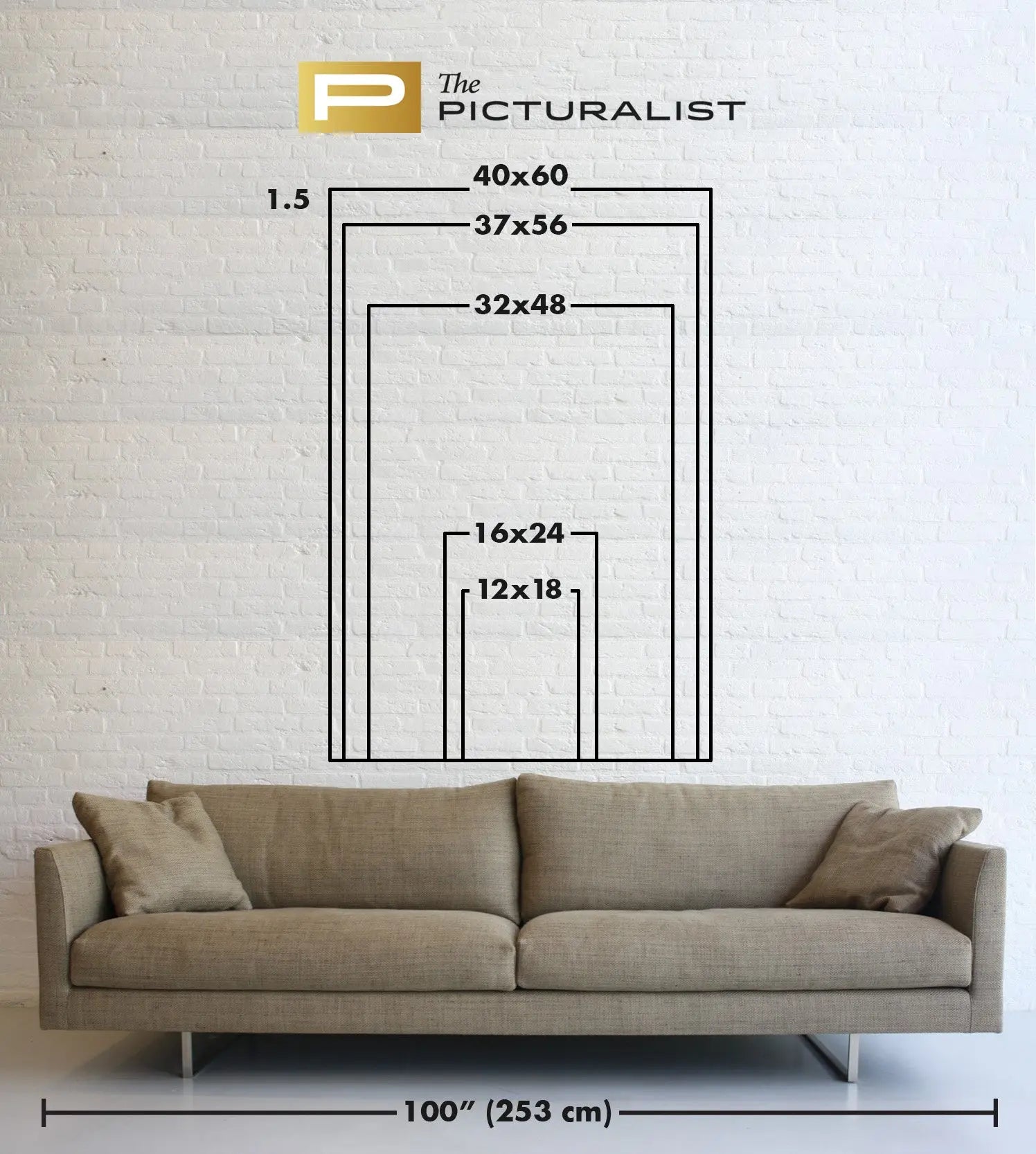

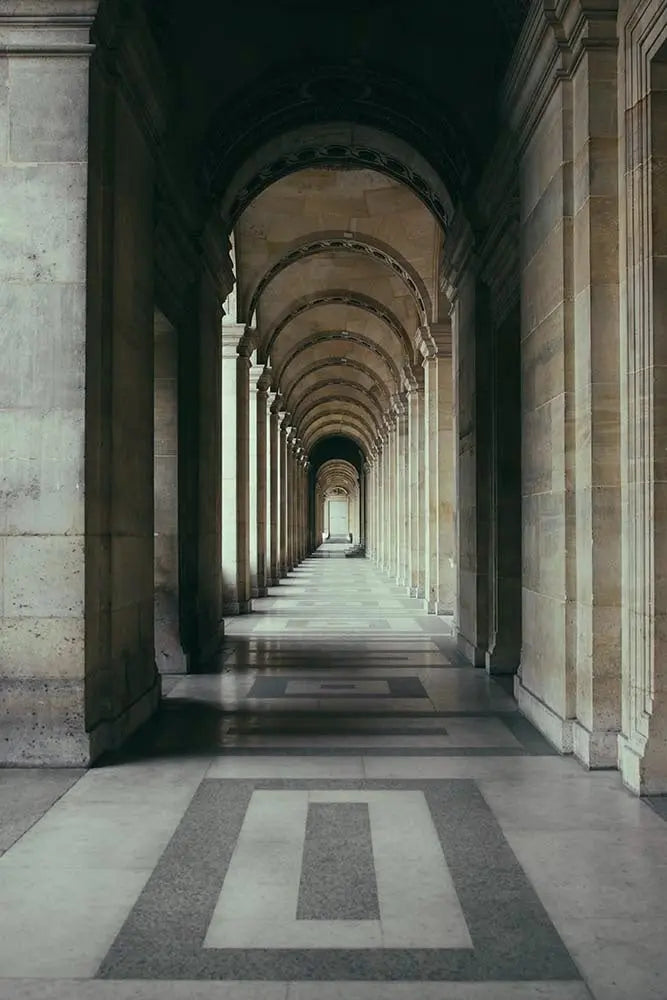
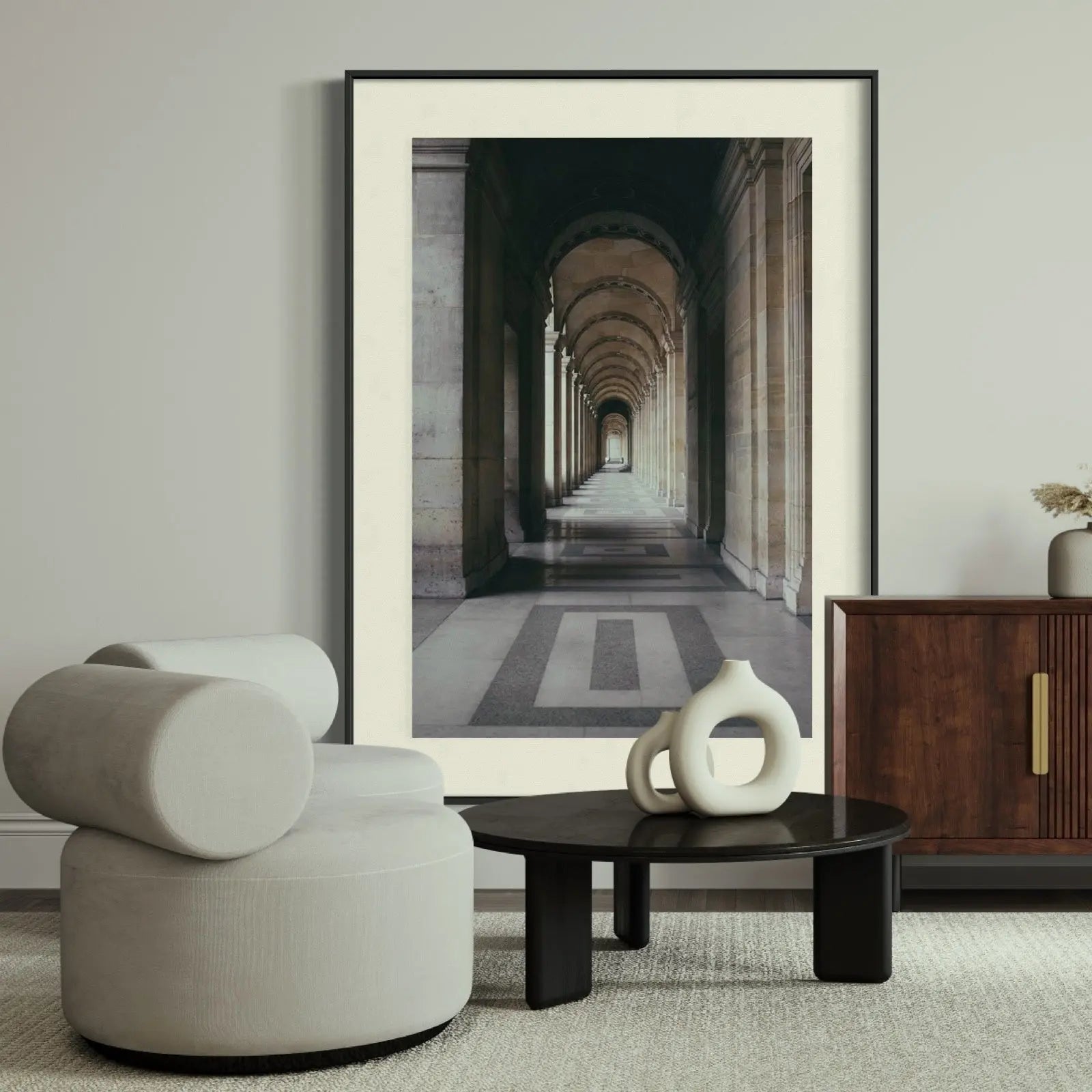
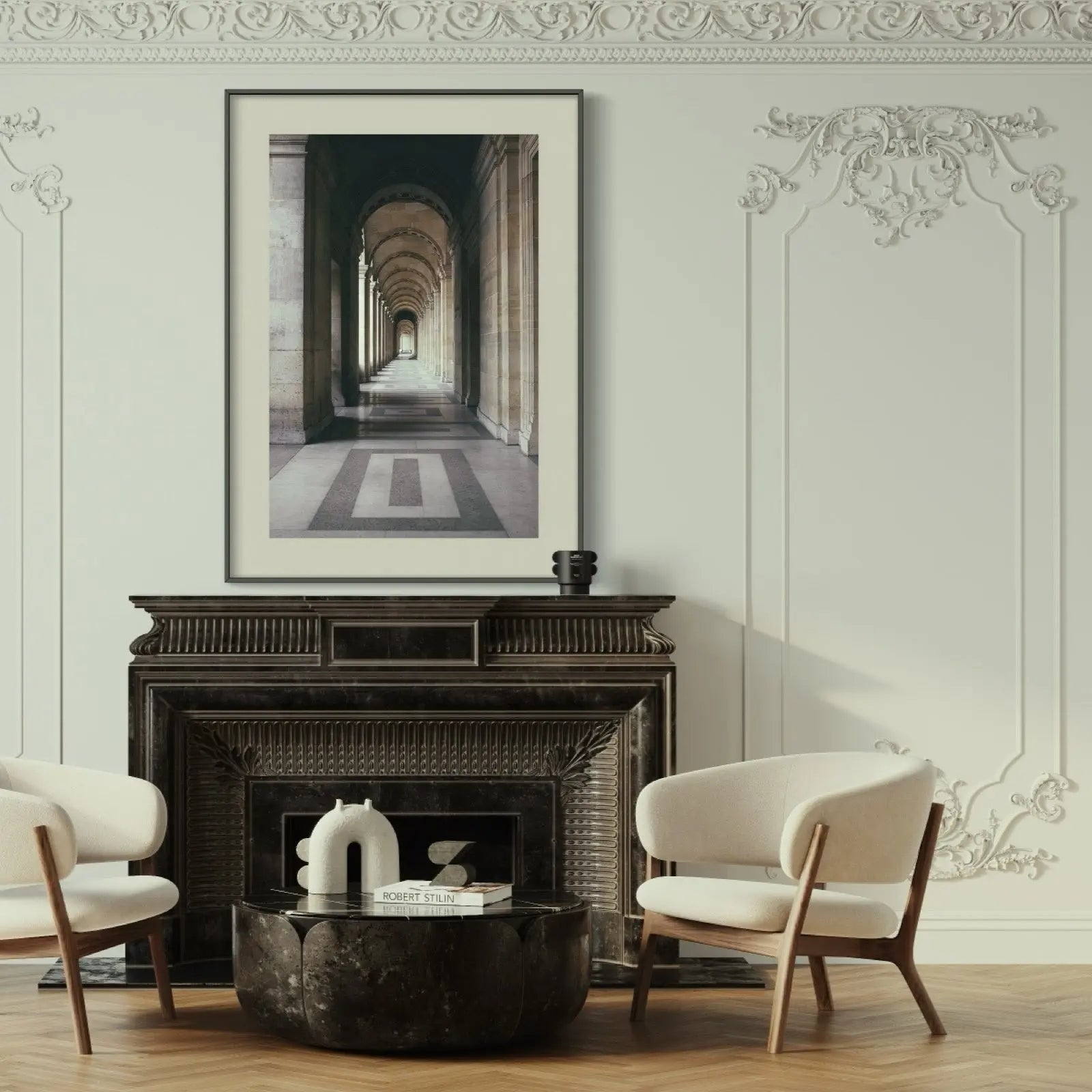
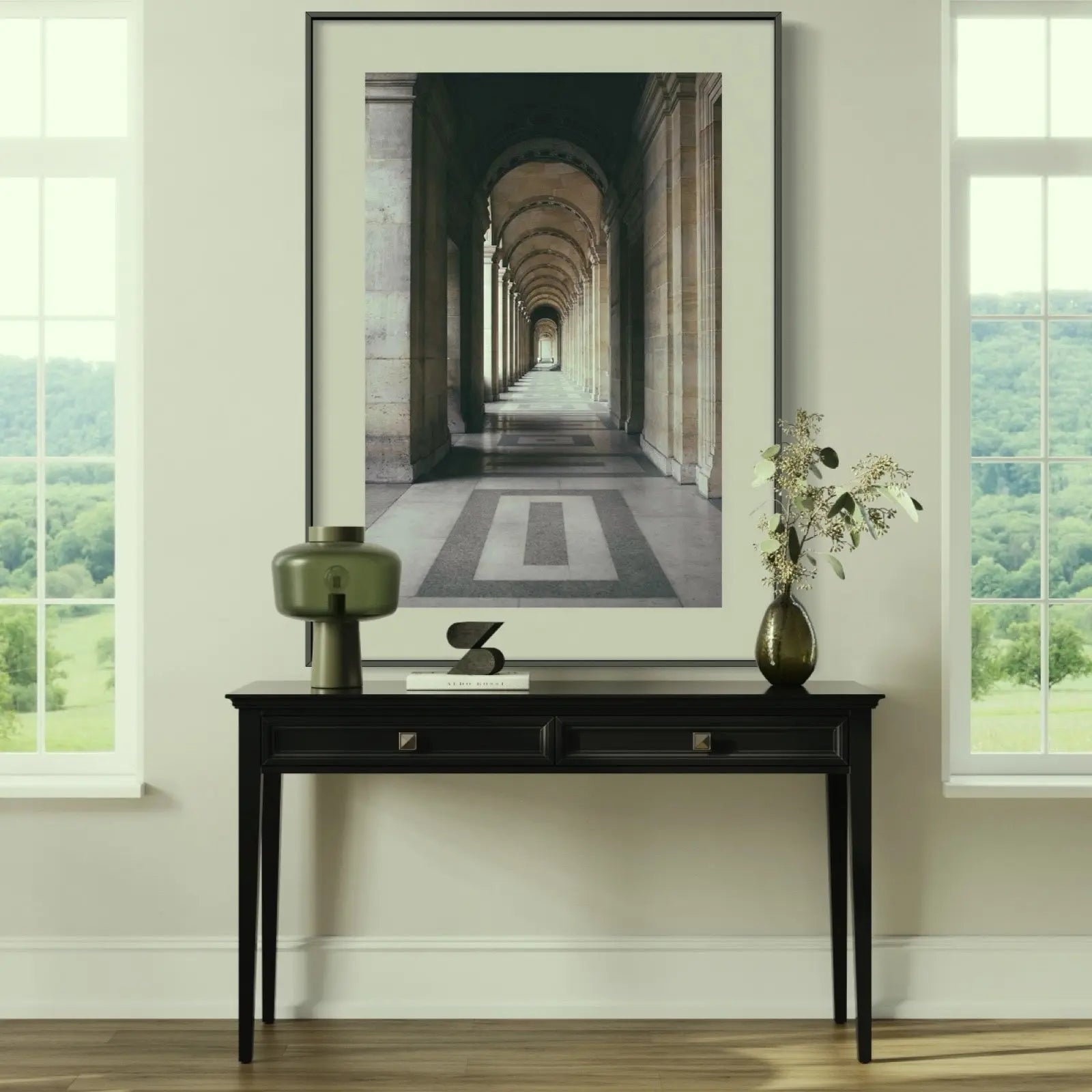


Fine Art Prints on Paper — The Classic Medium for Wall Art
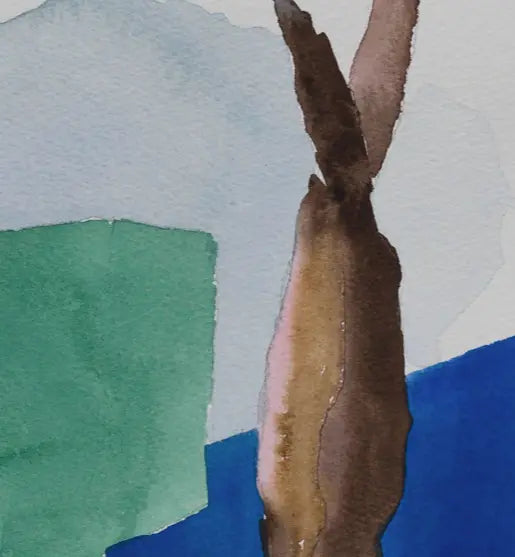
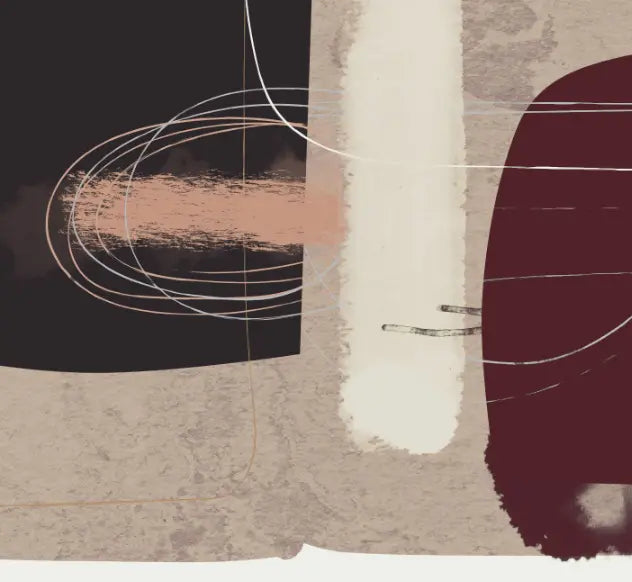
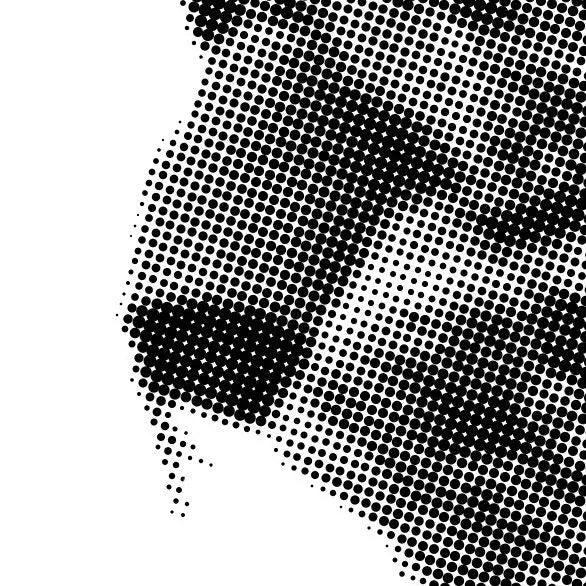
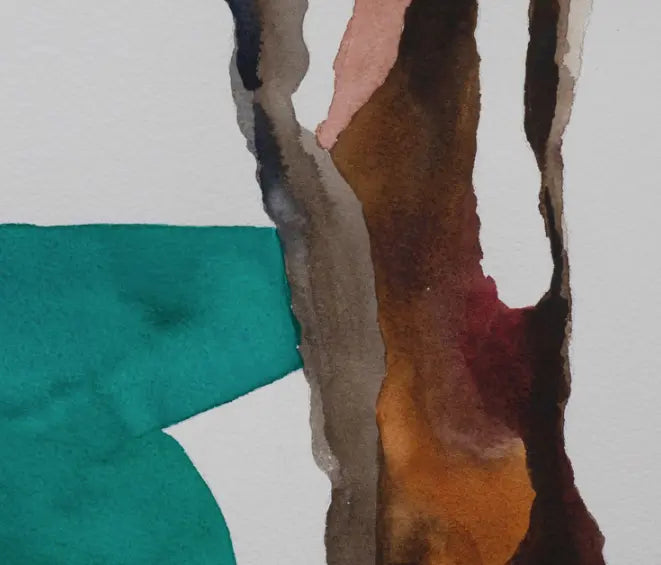
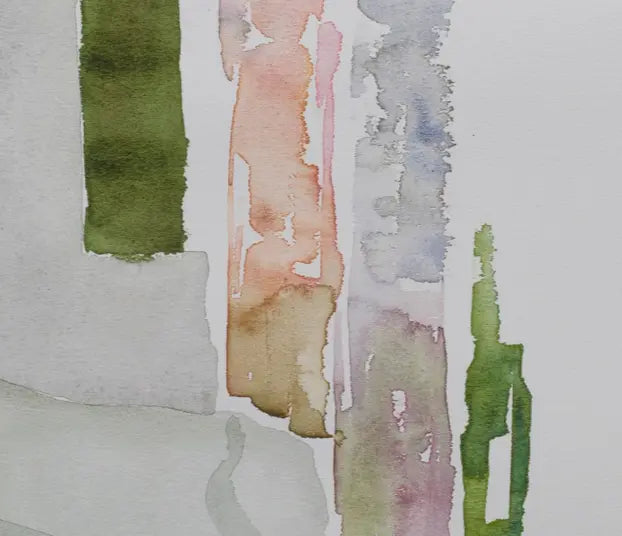
Archival paper is where fine art printing began and where it remains most authoritative. There is something about the relationship between ink and paper — the way pigment settles into the surface, the warmth of a matte finish in natural light, the tactile quality of 285 gsm cotton rag under a hand — that no other medium fully replicates.
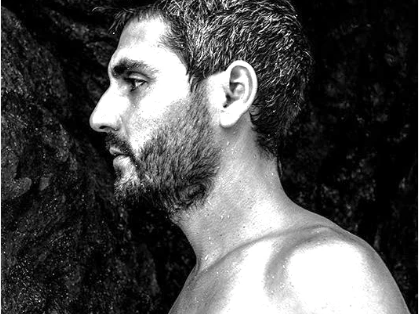
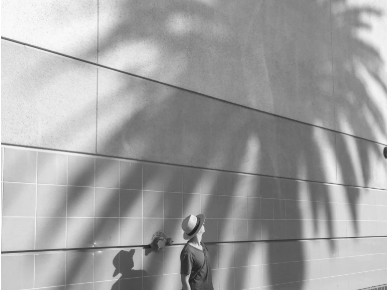
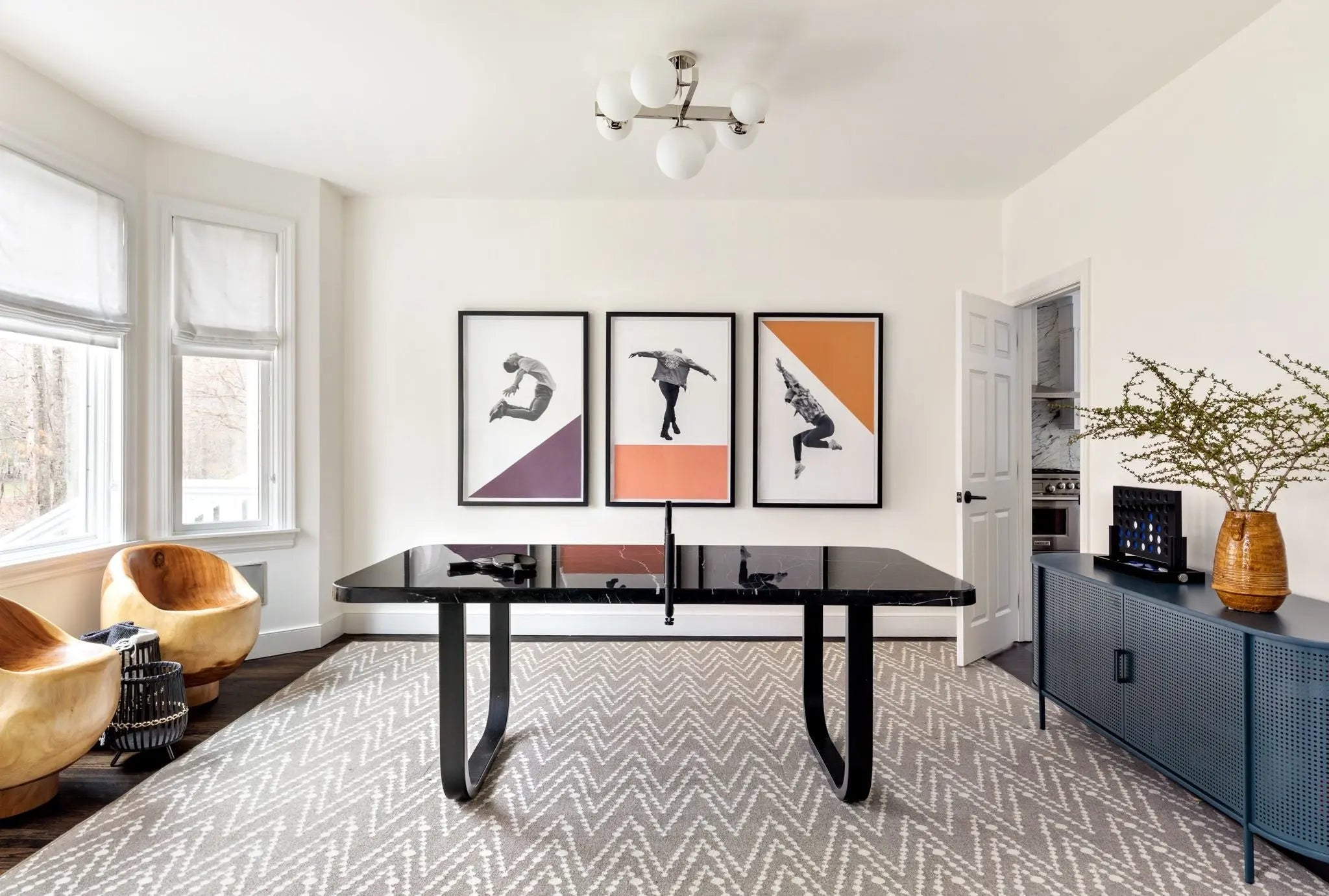
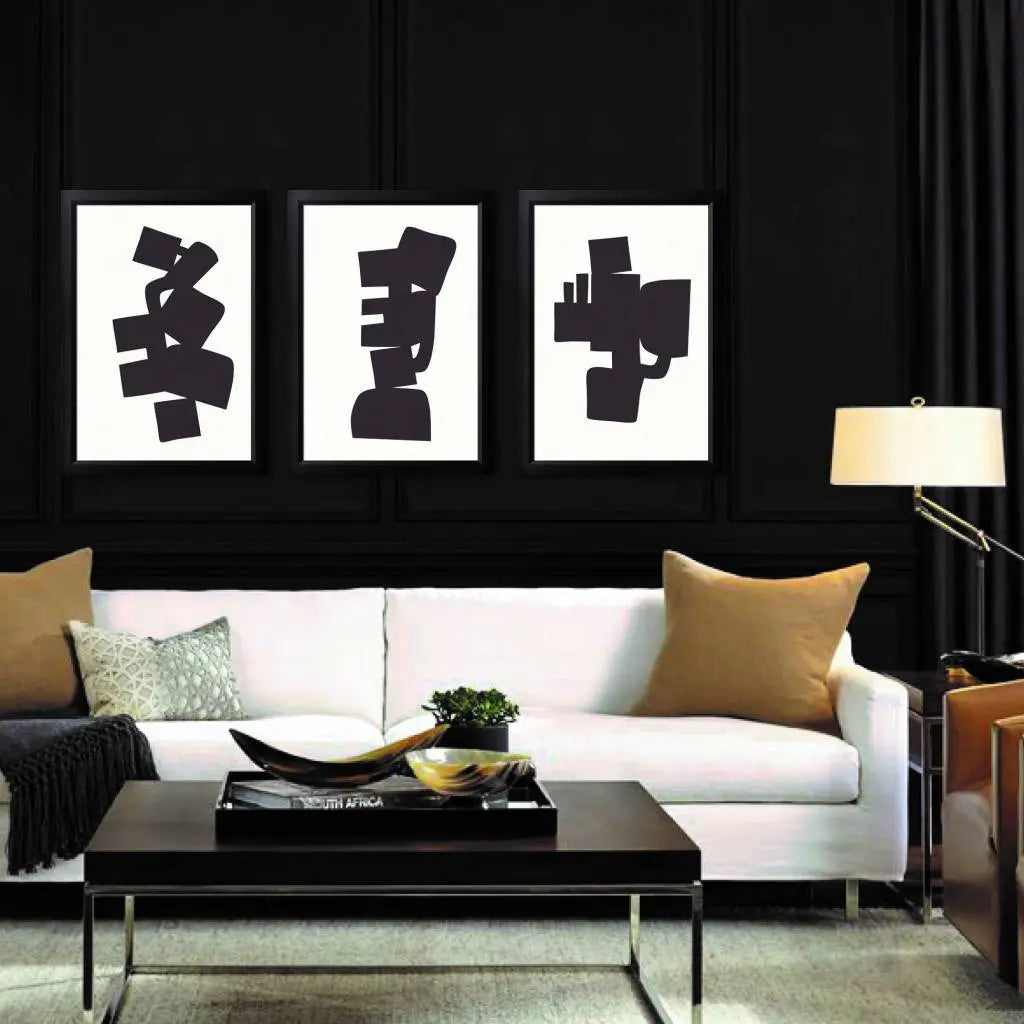
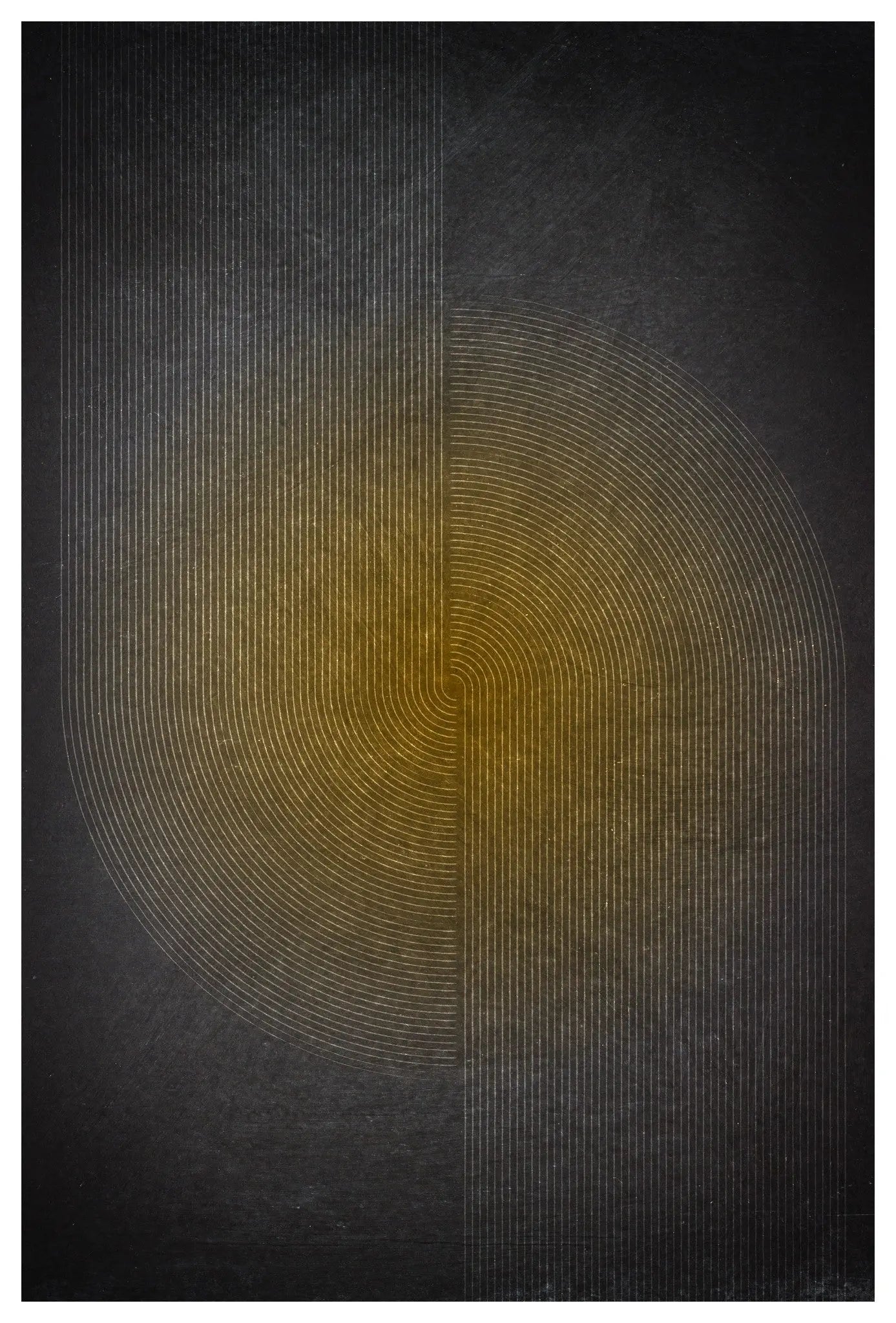
Our Fine Art Prints on Paper Collection brings the full Picturalist catalog to its most traditional and most refined format: Slim Aarons' poolside photography, Evelyn Ogly's organic abstractions, Rodrigo Martín's geometric compositions, Enric Gener's Mediterranean underwater work, Marie Adeline's textile-inspired art, and every other work in the collection — printed on museum-grade archival paper with fade-resistant Epson giclée inks, framed by hand in North America, and produced to the same standards as the most respected fine art print publishers in the world. Paper is not the default medium. It is the considered choice when warmth, tonal precision, and the enduring quality of traditional fine art presentation are the brief.
Understanding Paper Print Presentations — Floated, Matted, and Framed Explained
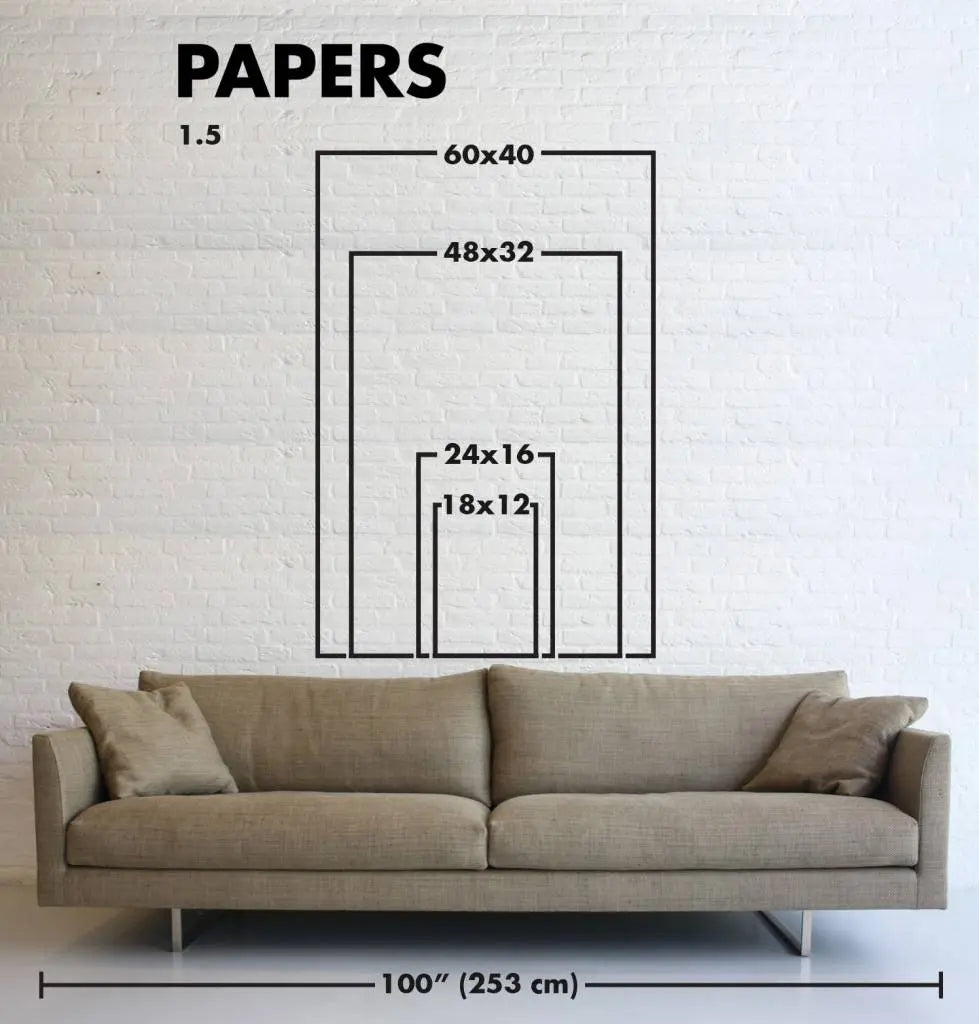
Fine art prints on paper at The Picturalist are available in three distinct presentation formats. Each changes the visual character of the piece, the perceived scale, and the relationship between the artwork and its frame. Choosing the right presentation before ordering ensures the finished piece reads exactly as the interior requires.
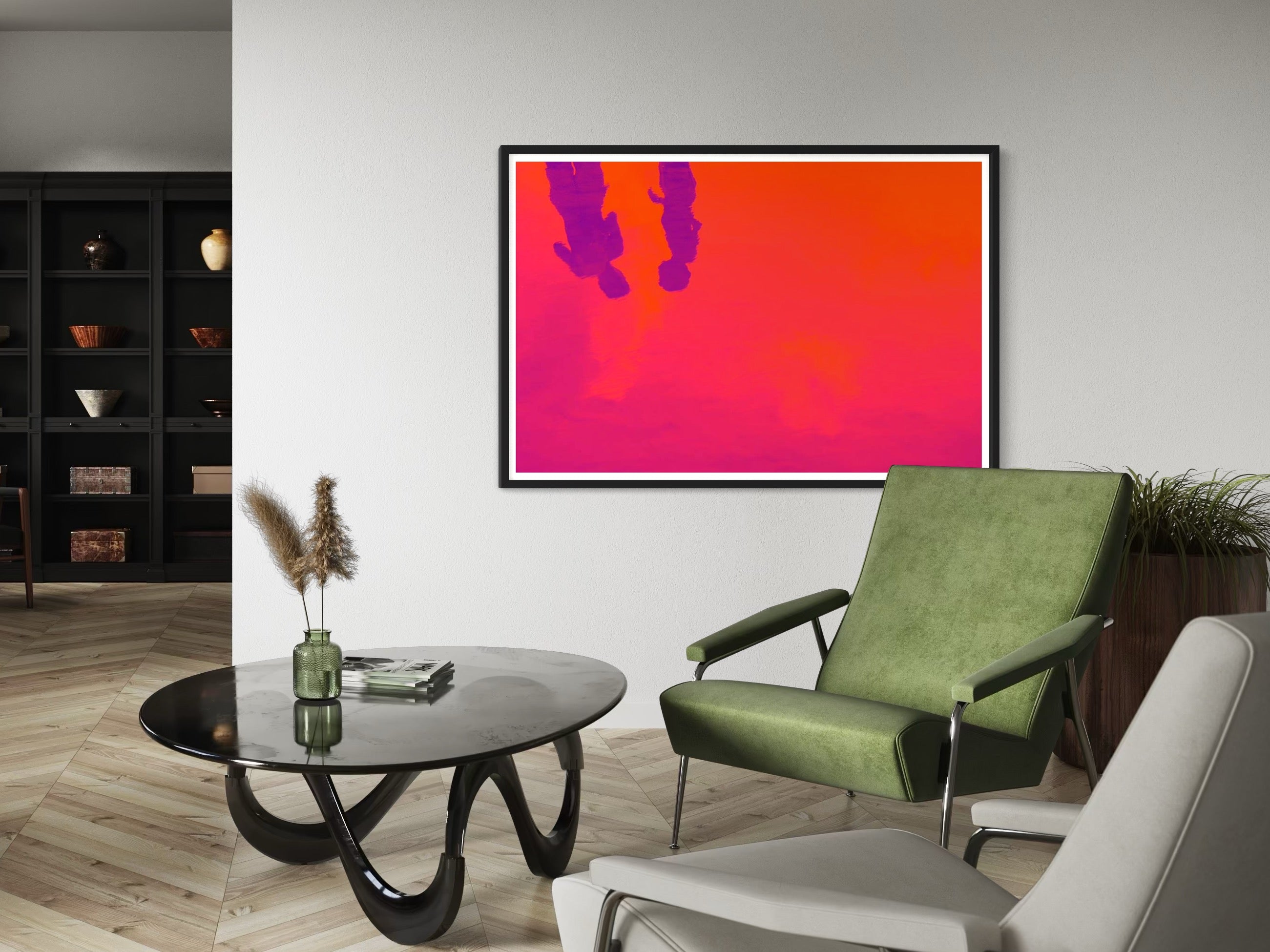
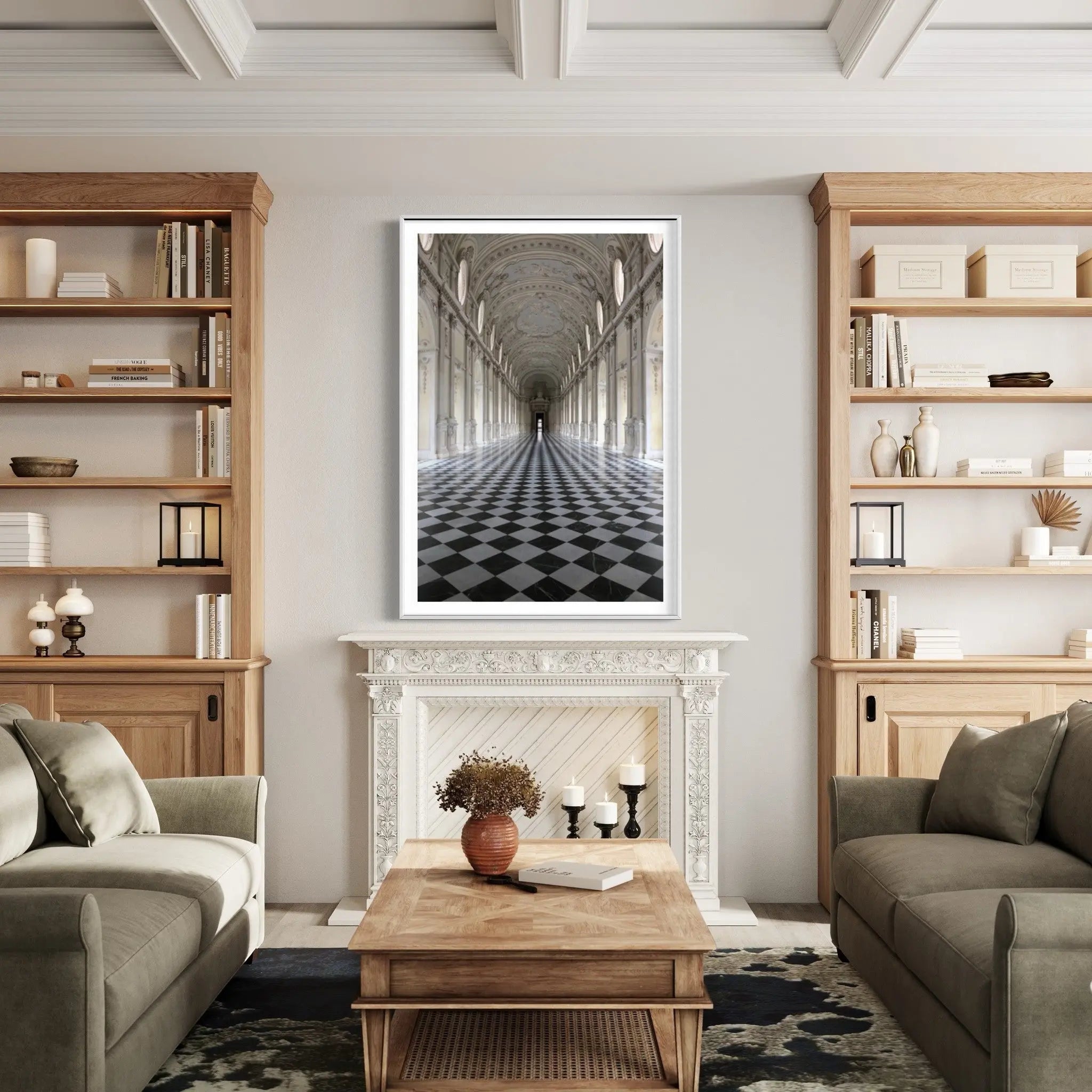
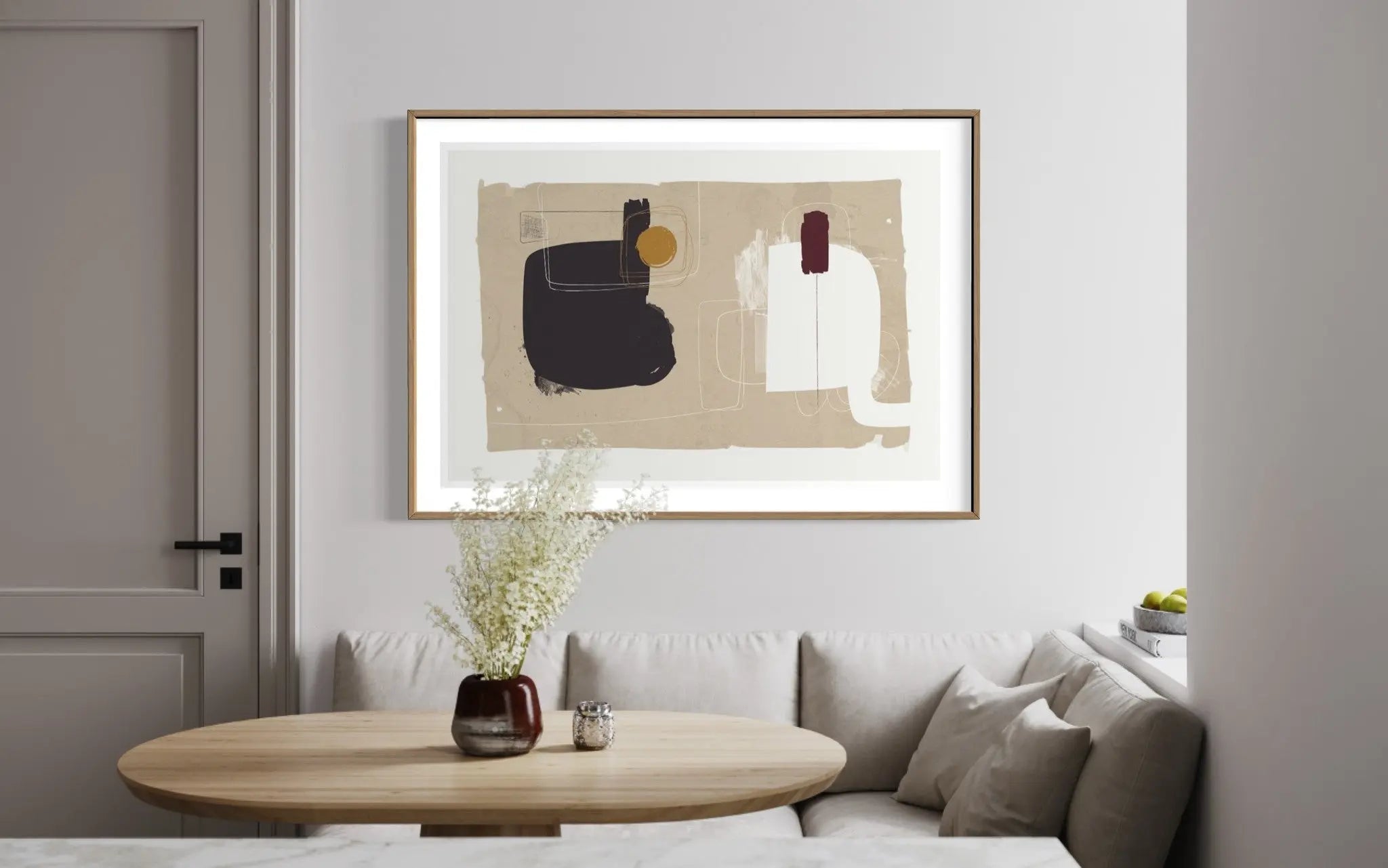
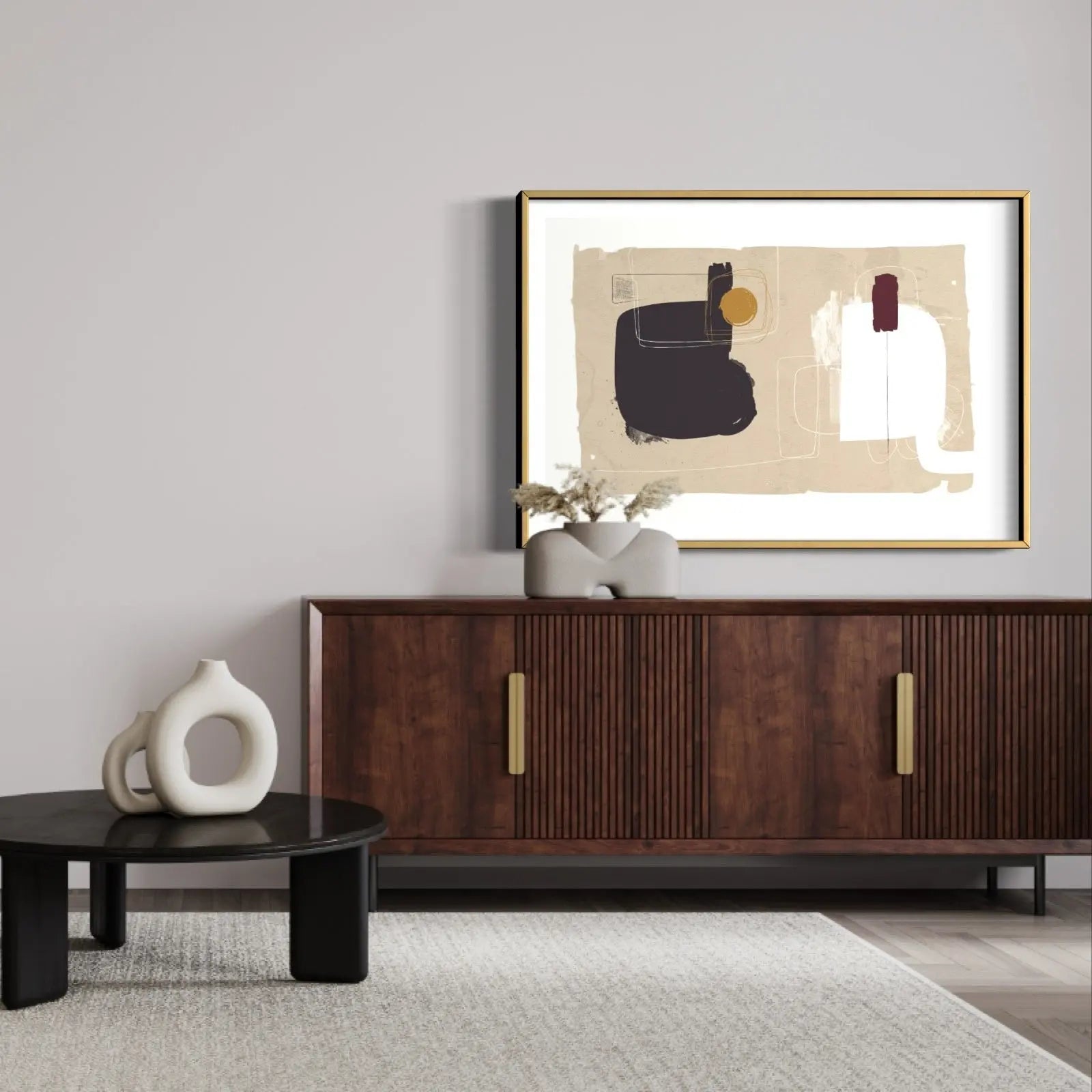
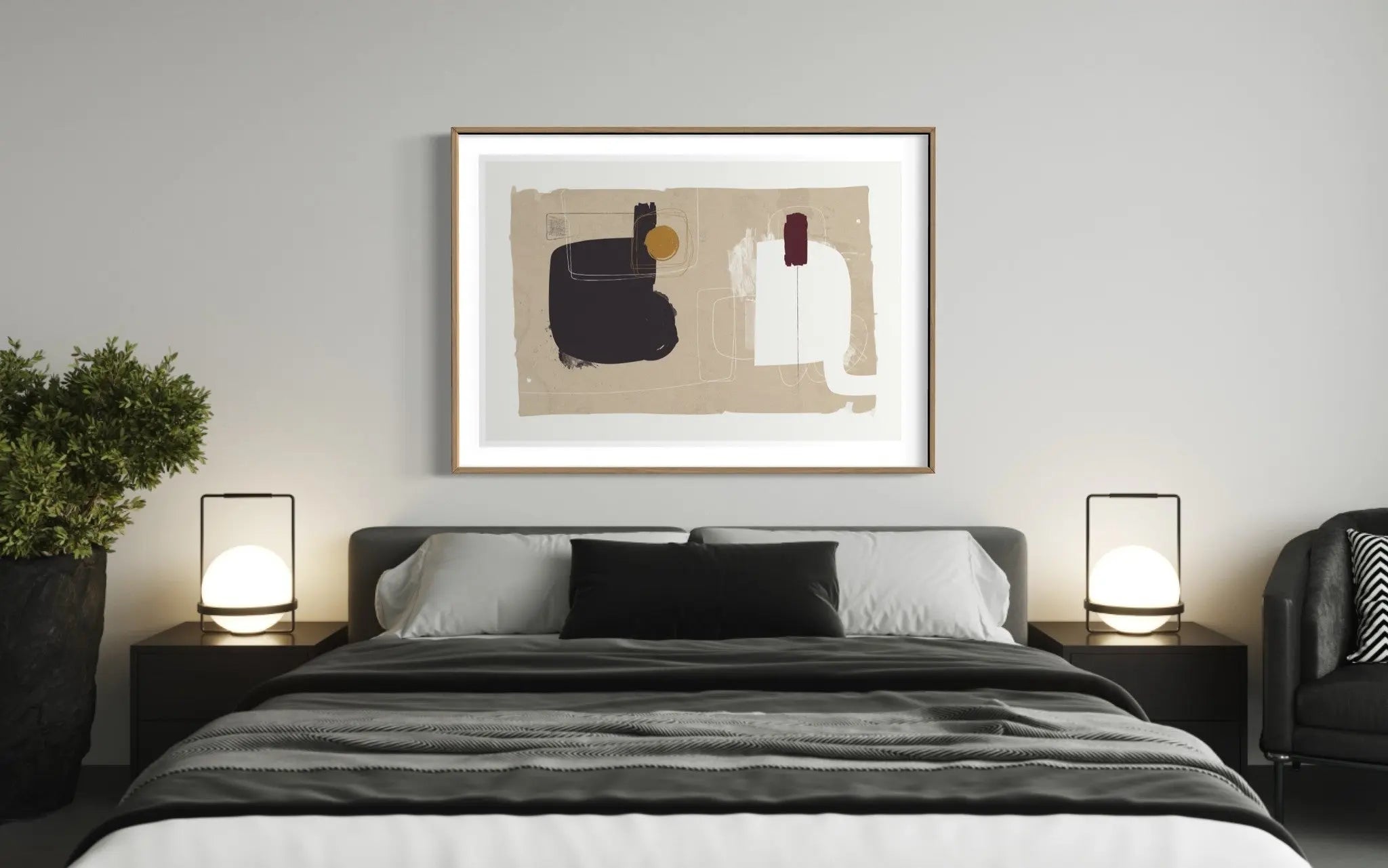
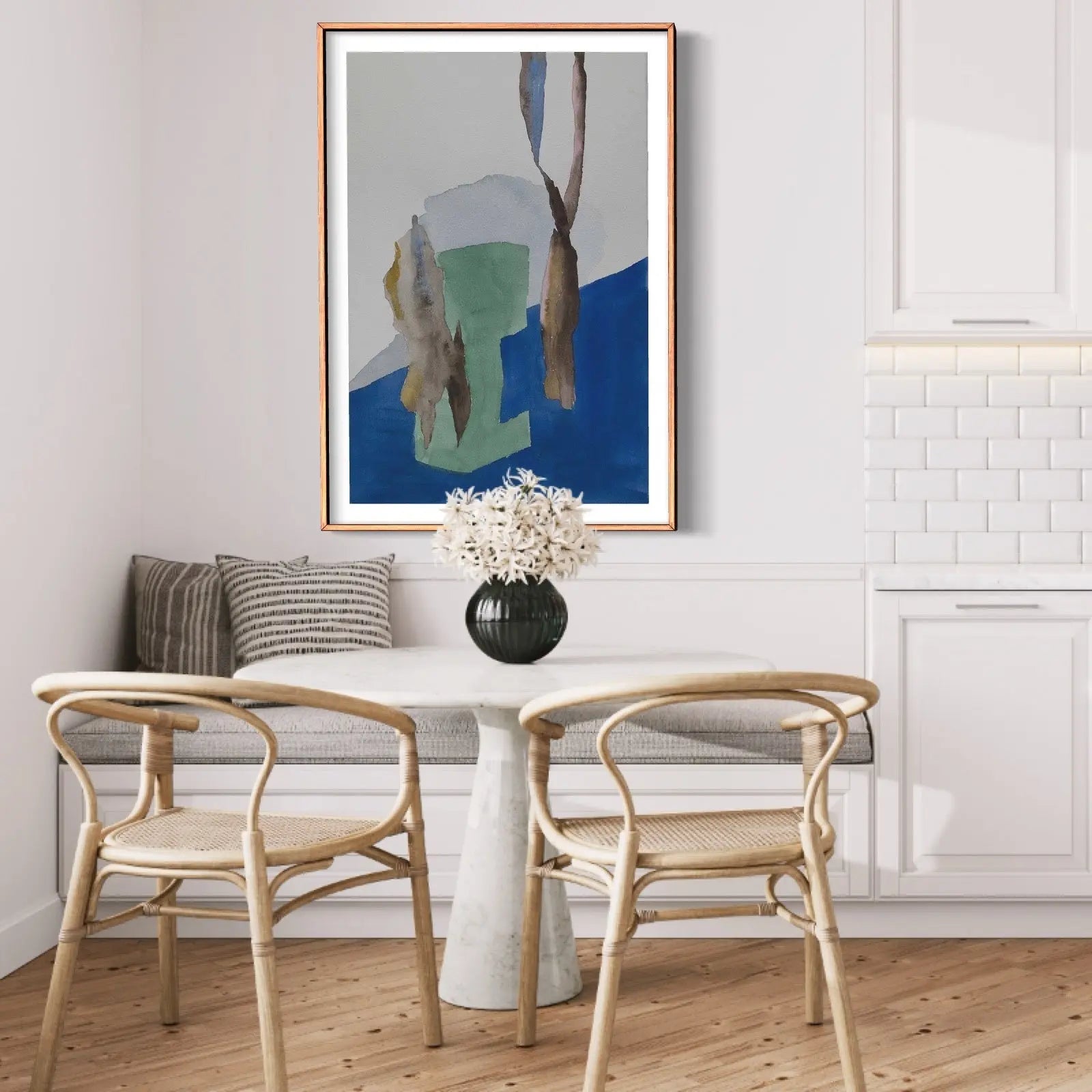
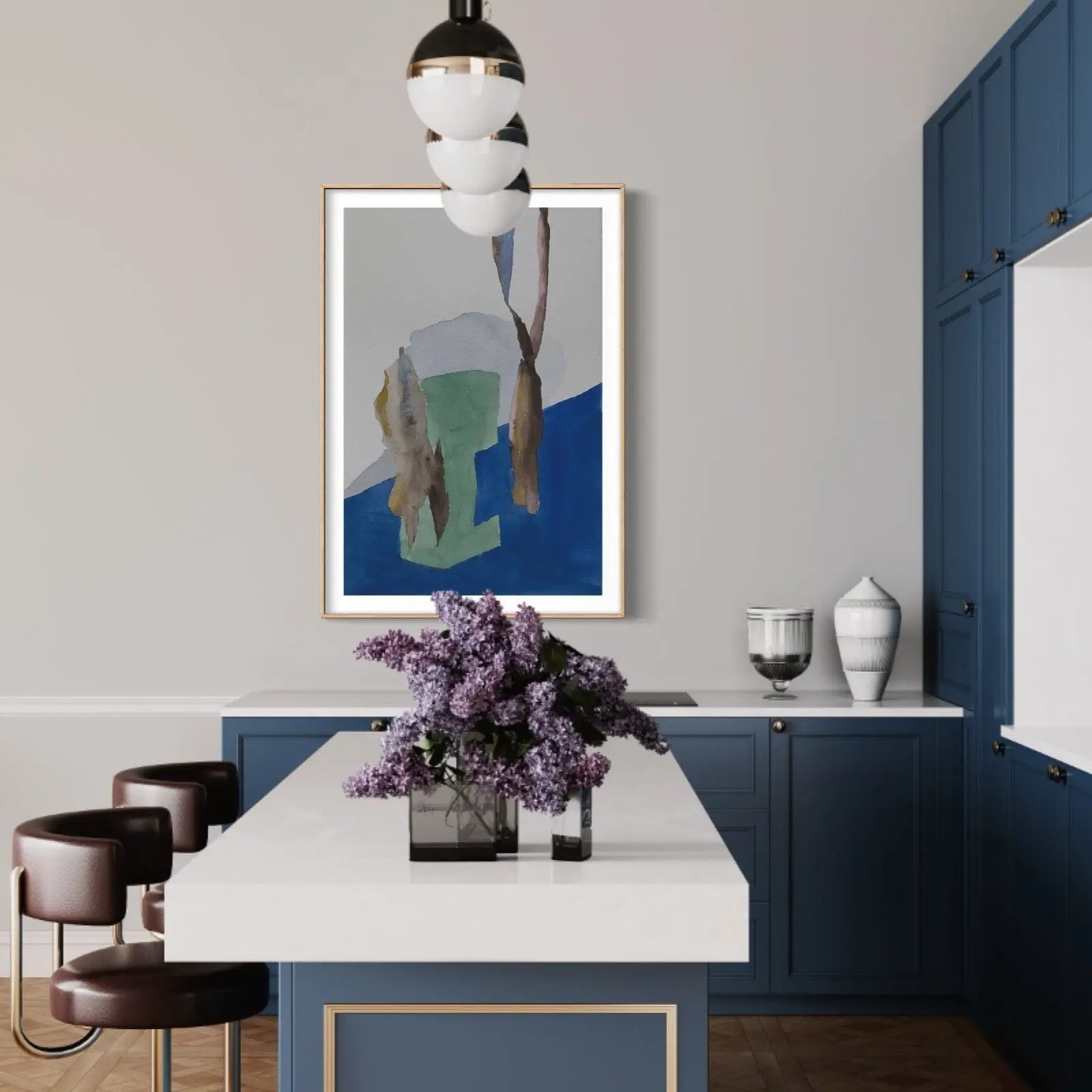
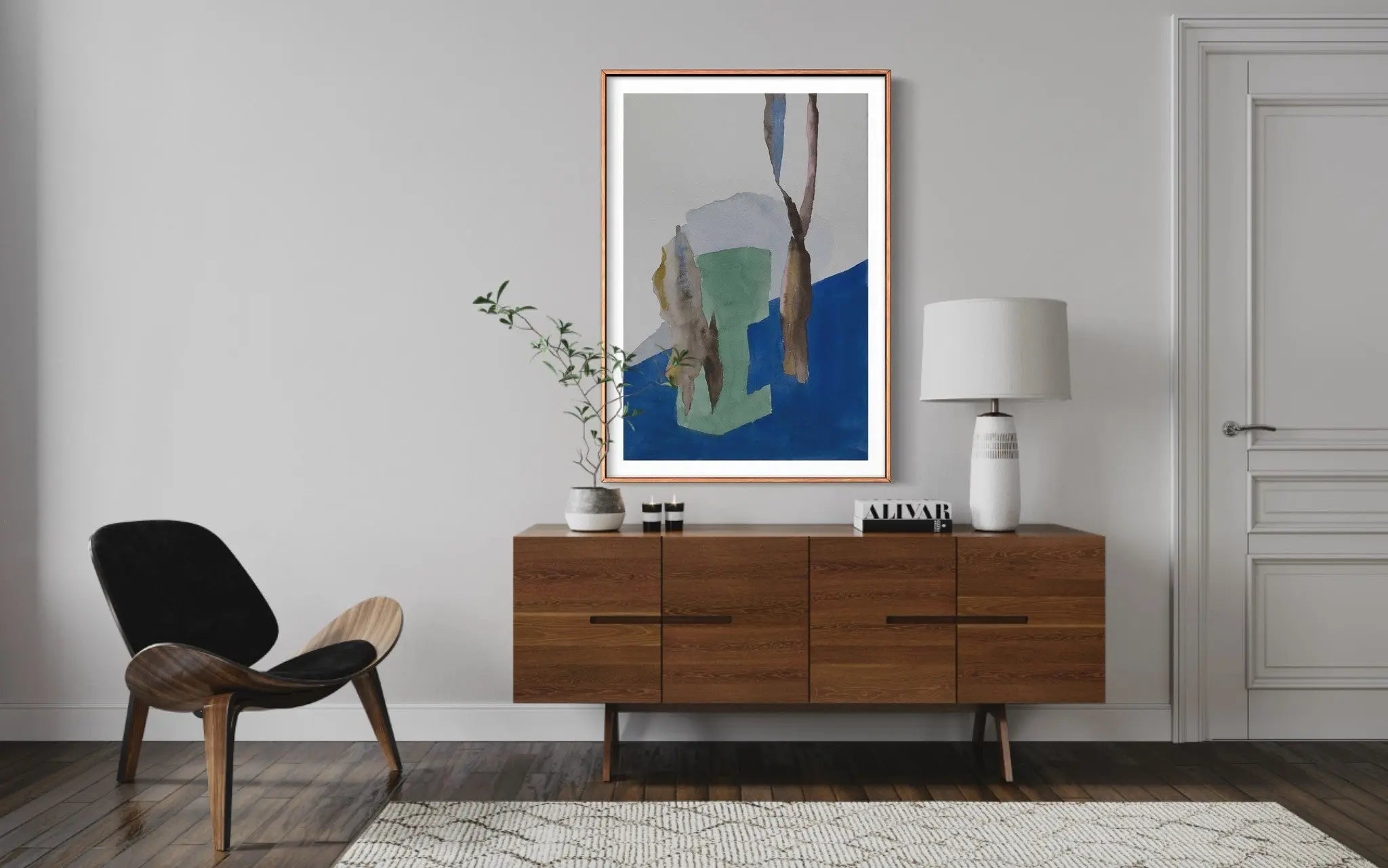
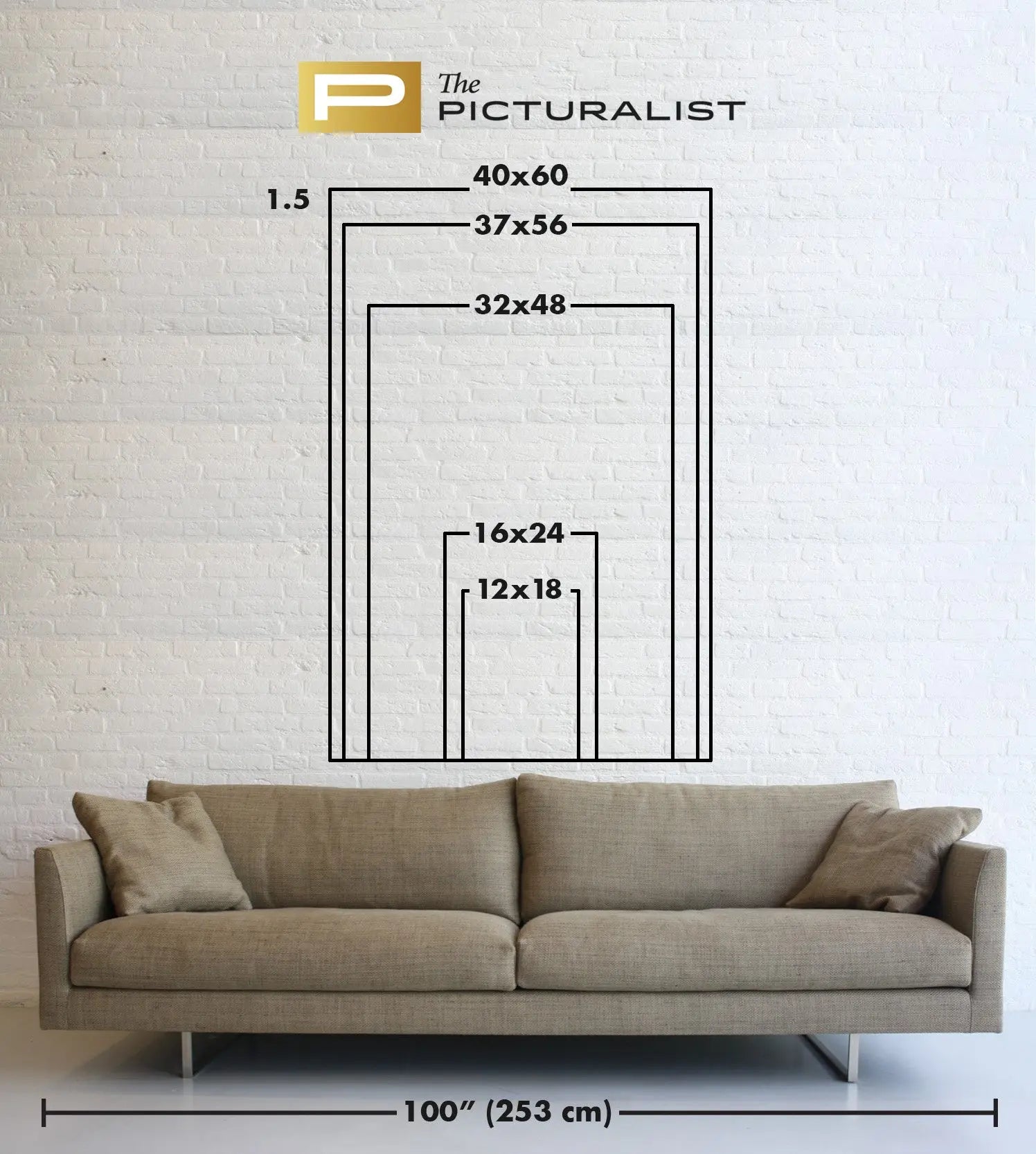
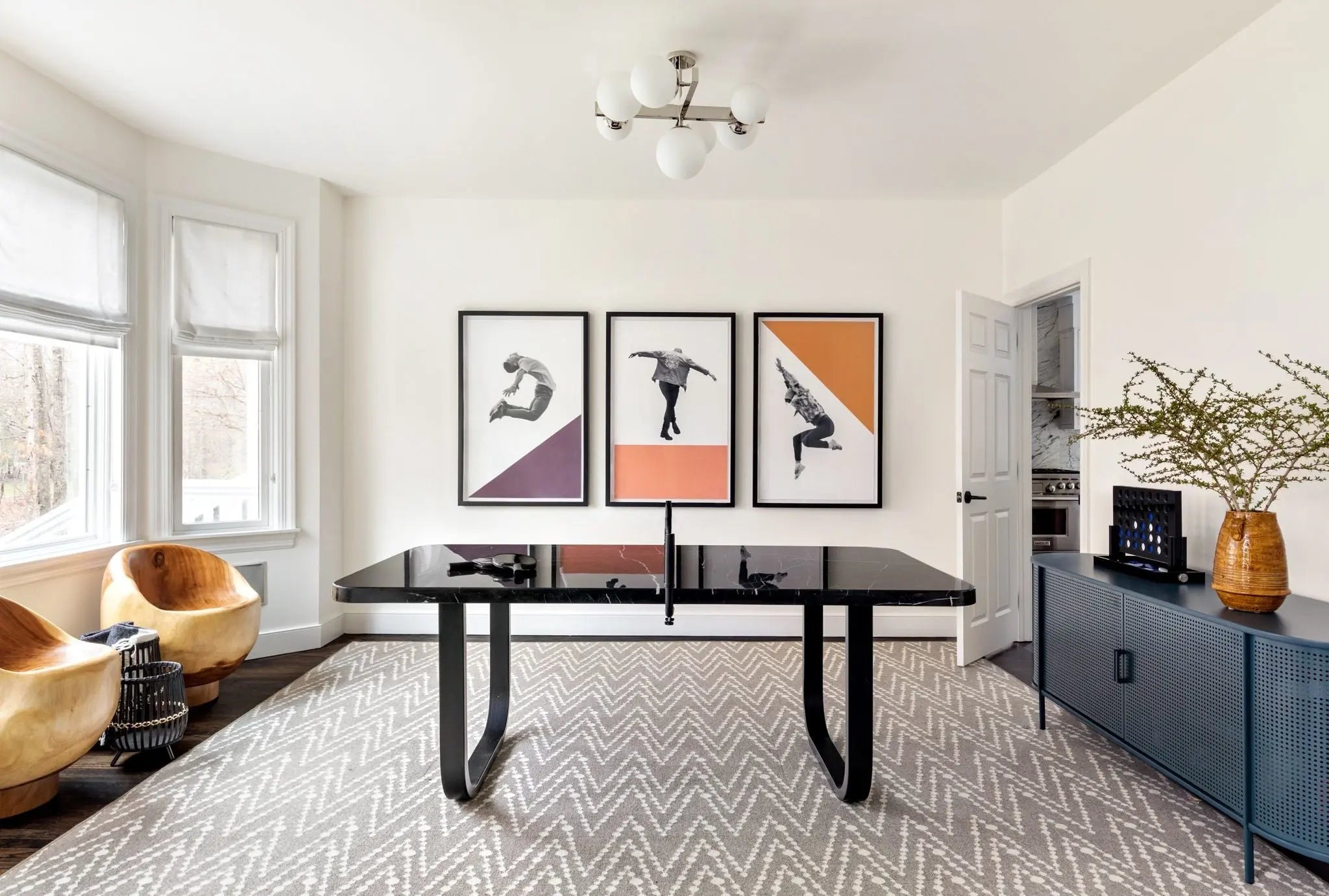
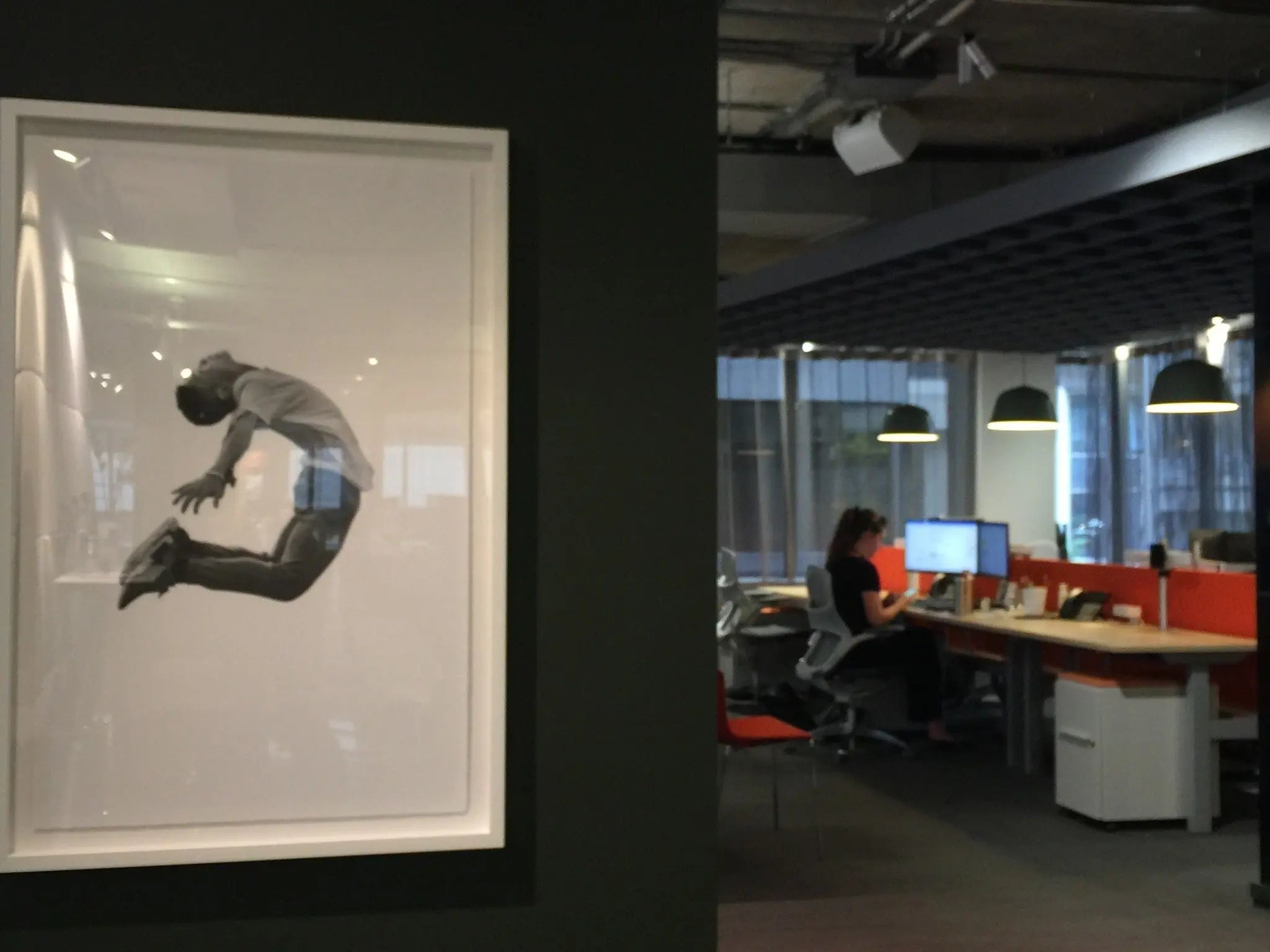
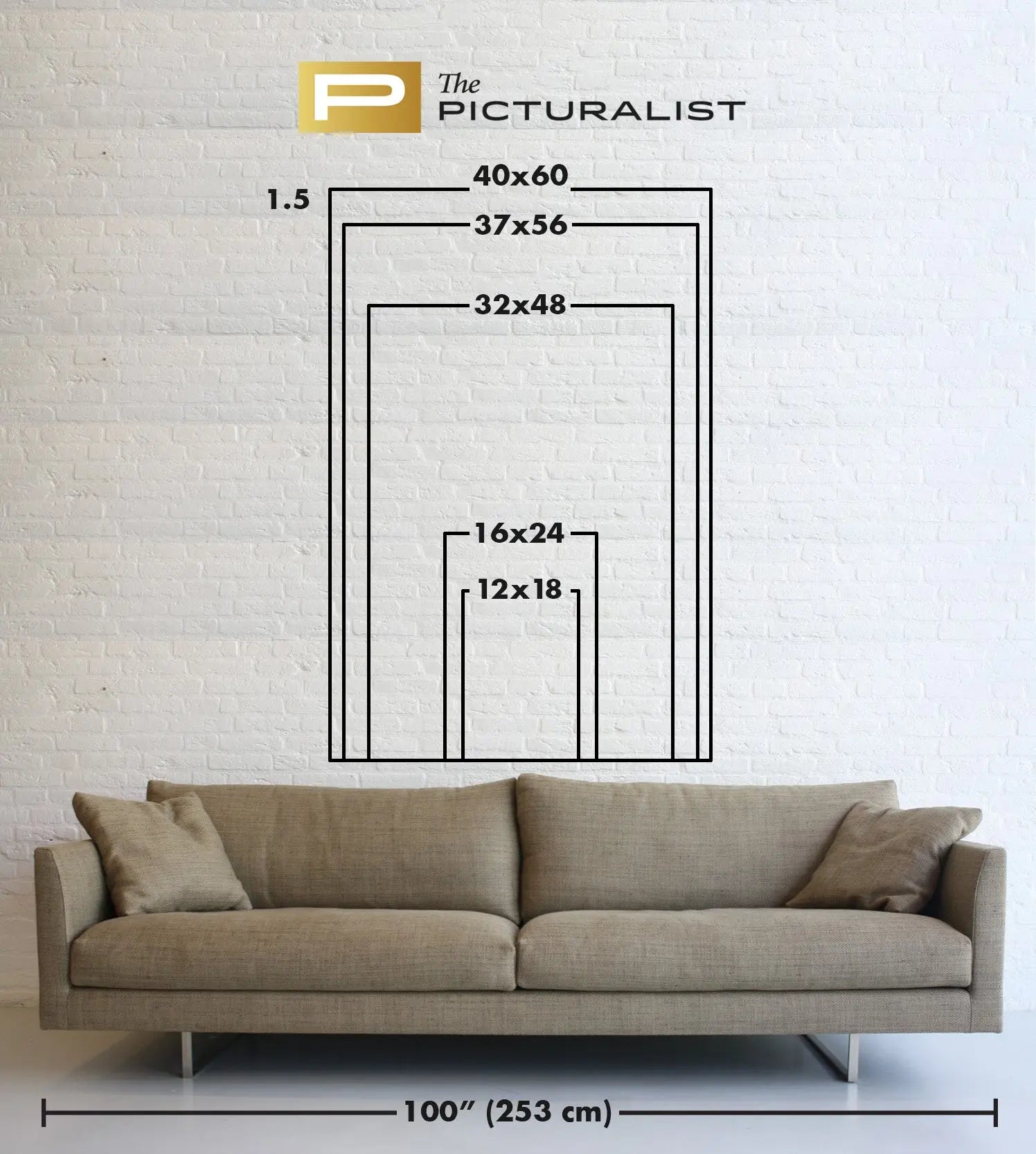
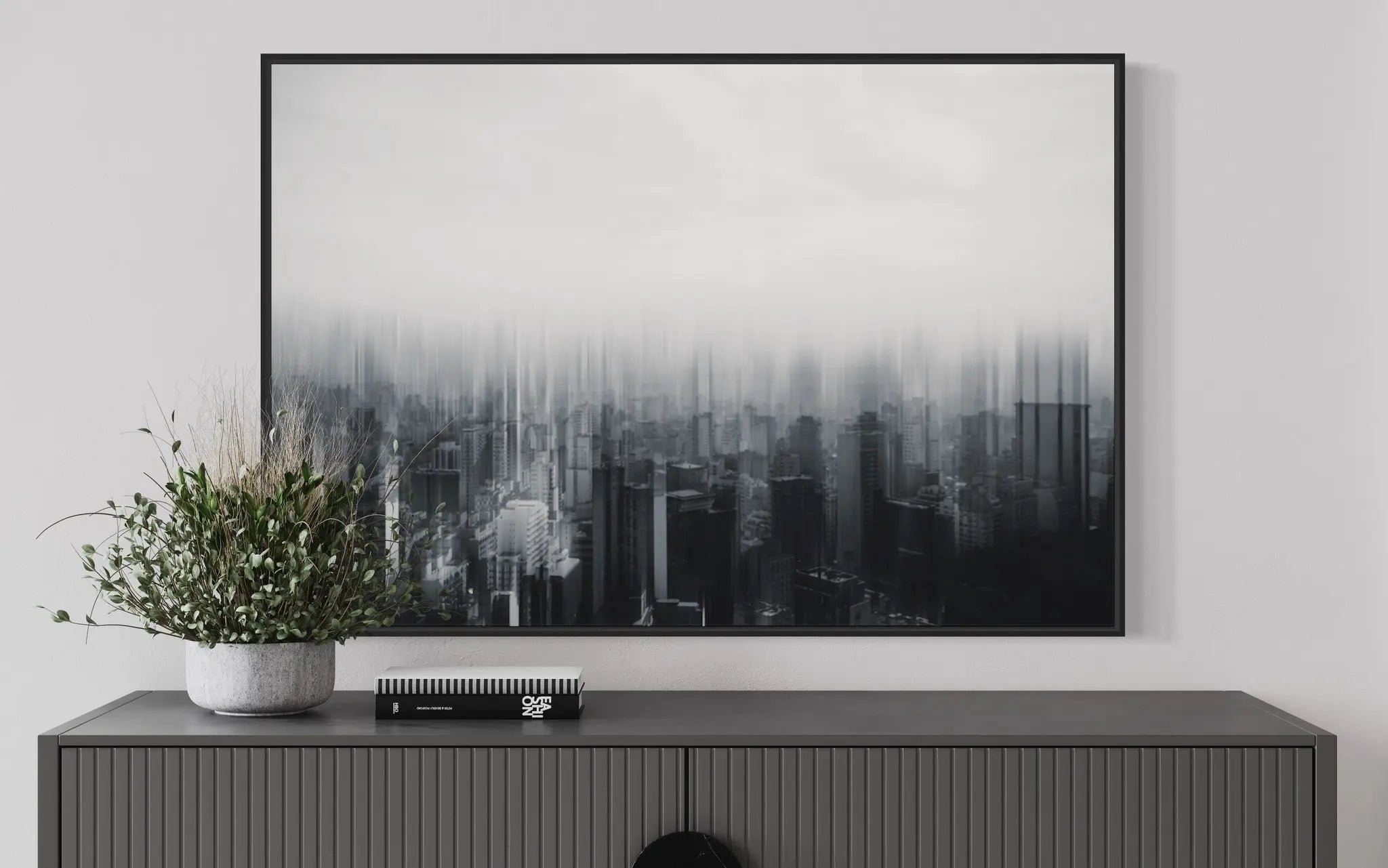
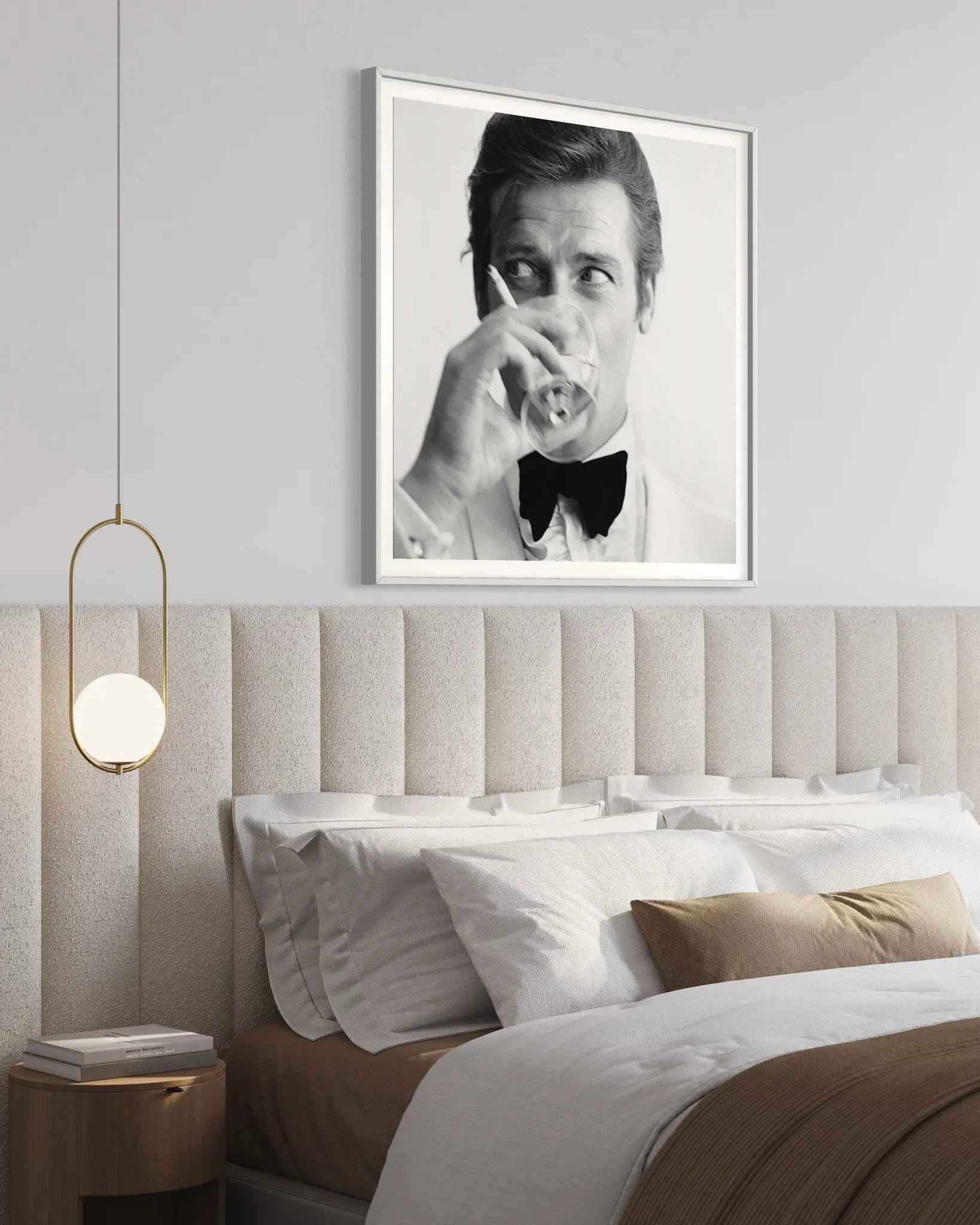
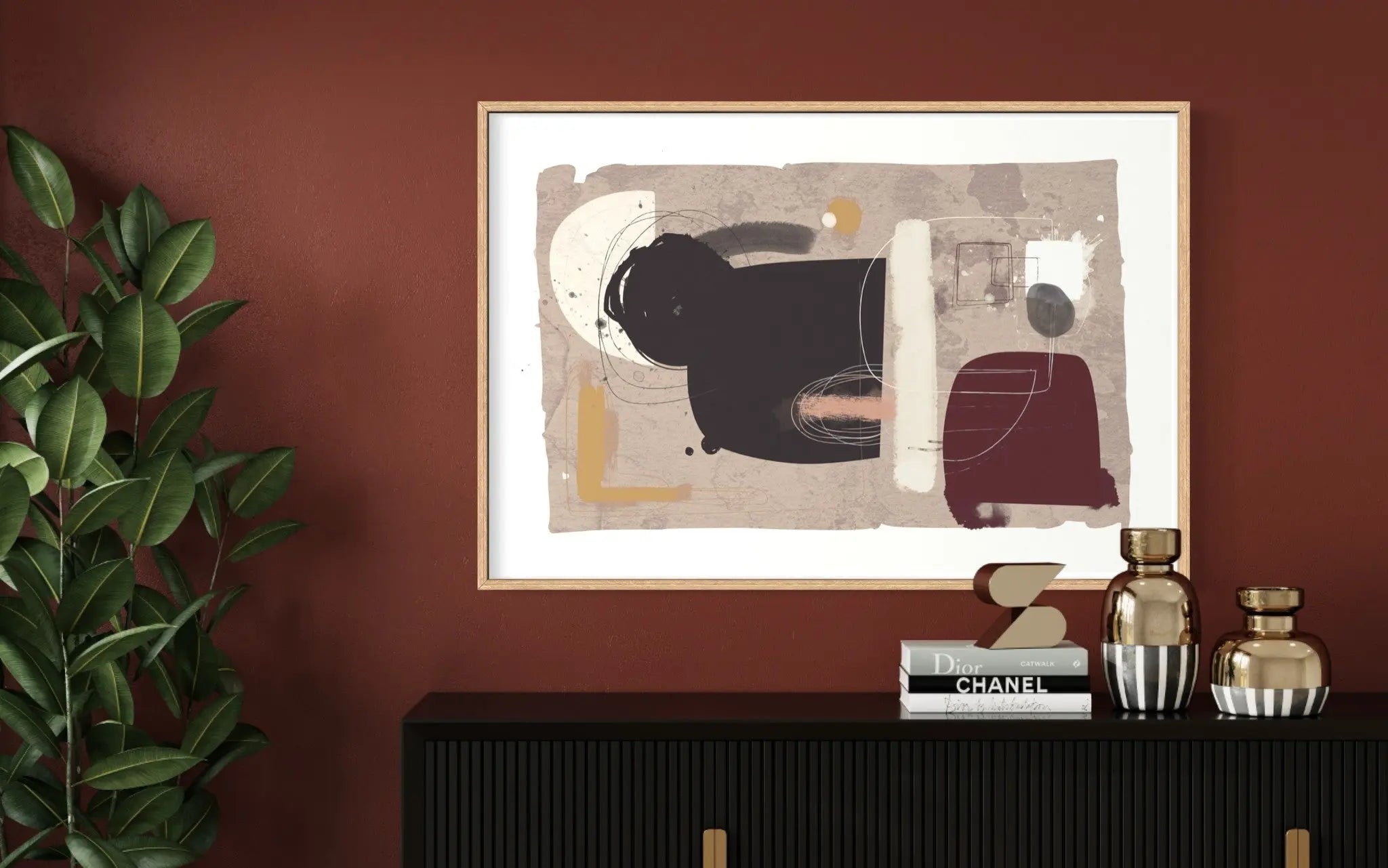
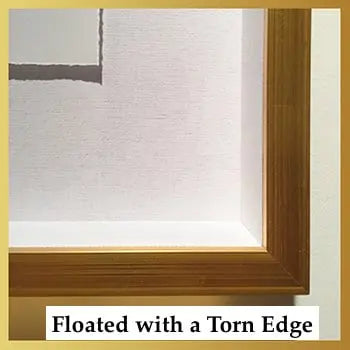
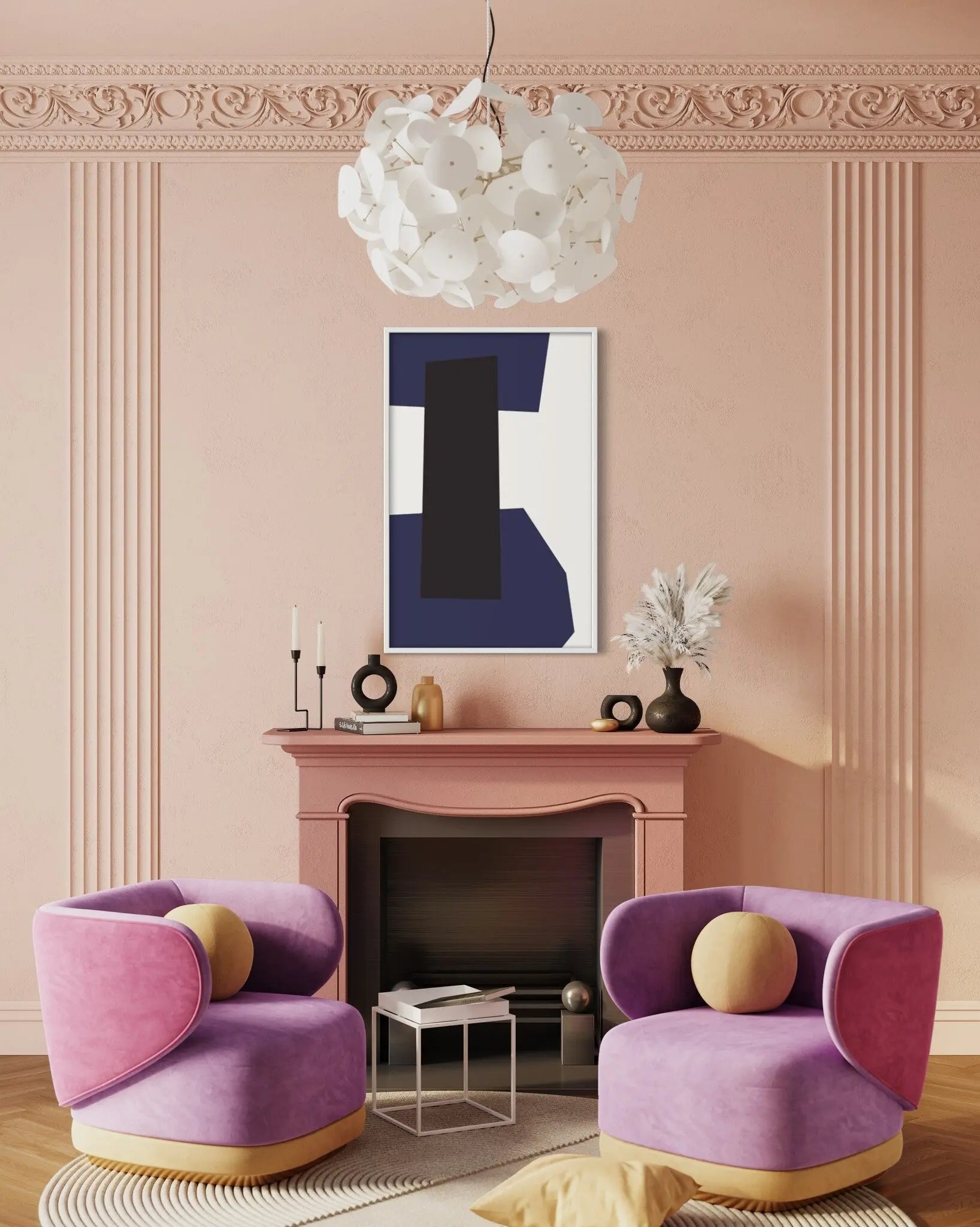
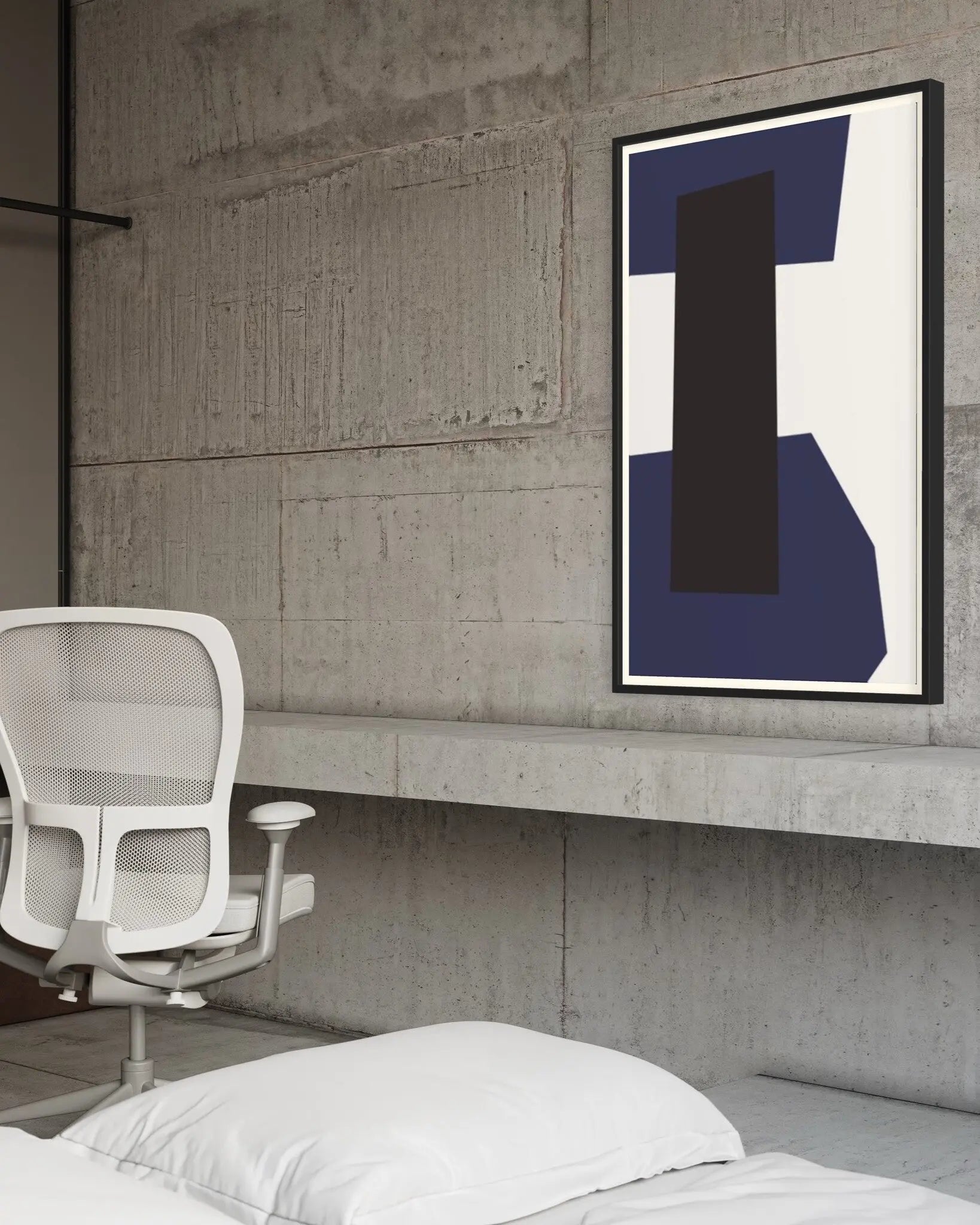
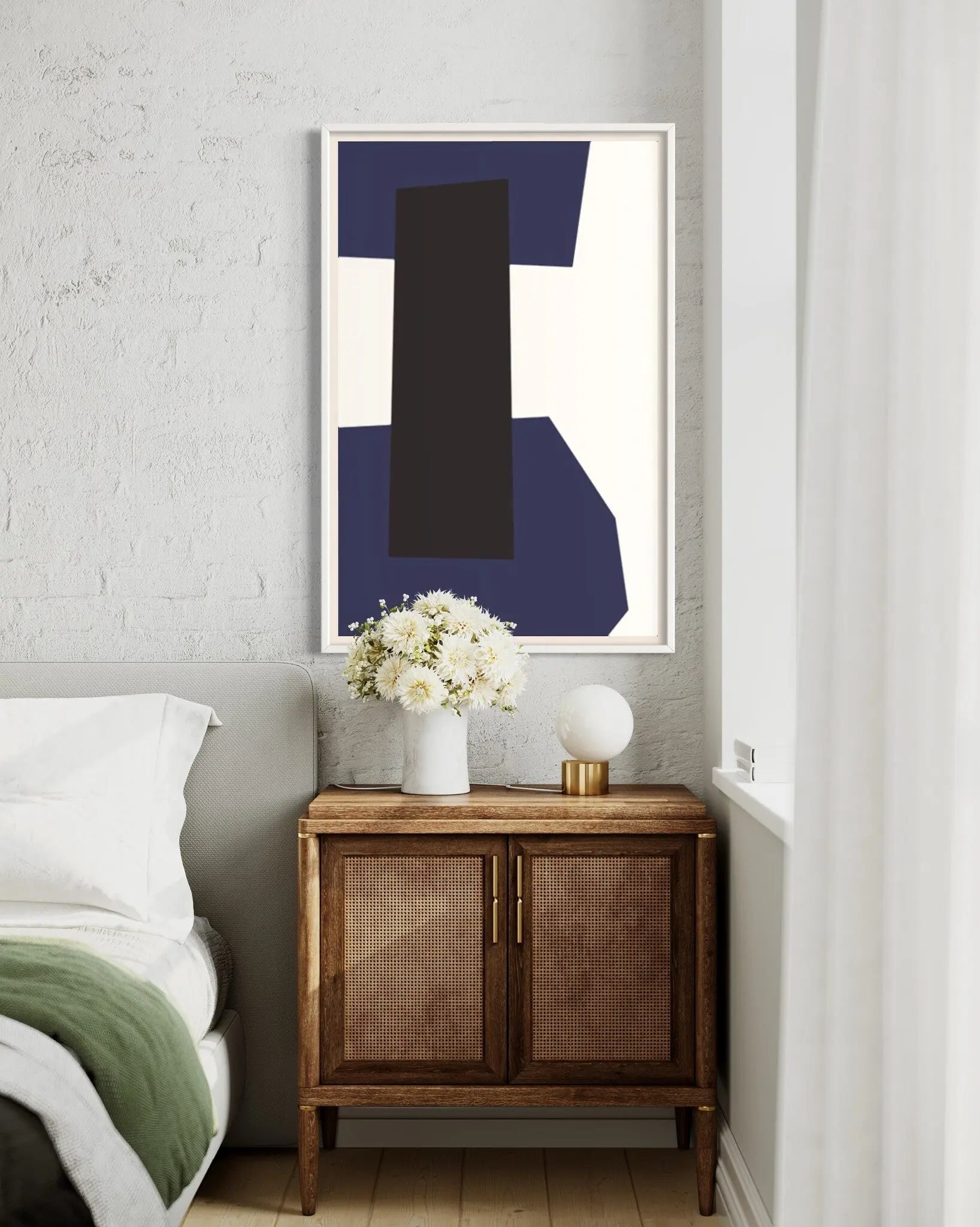
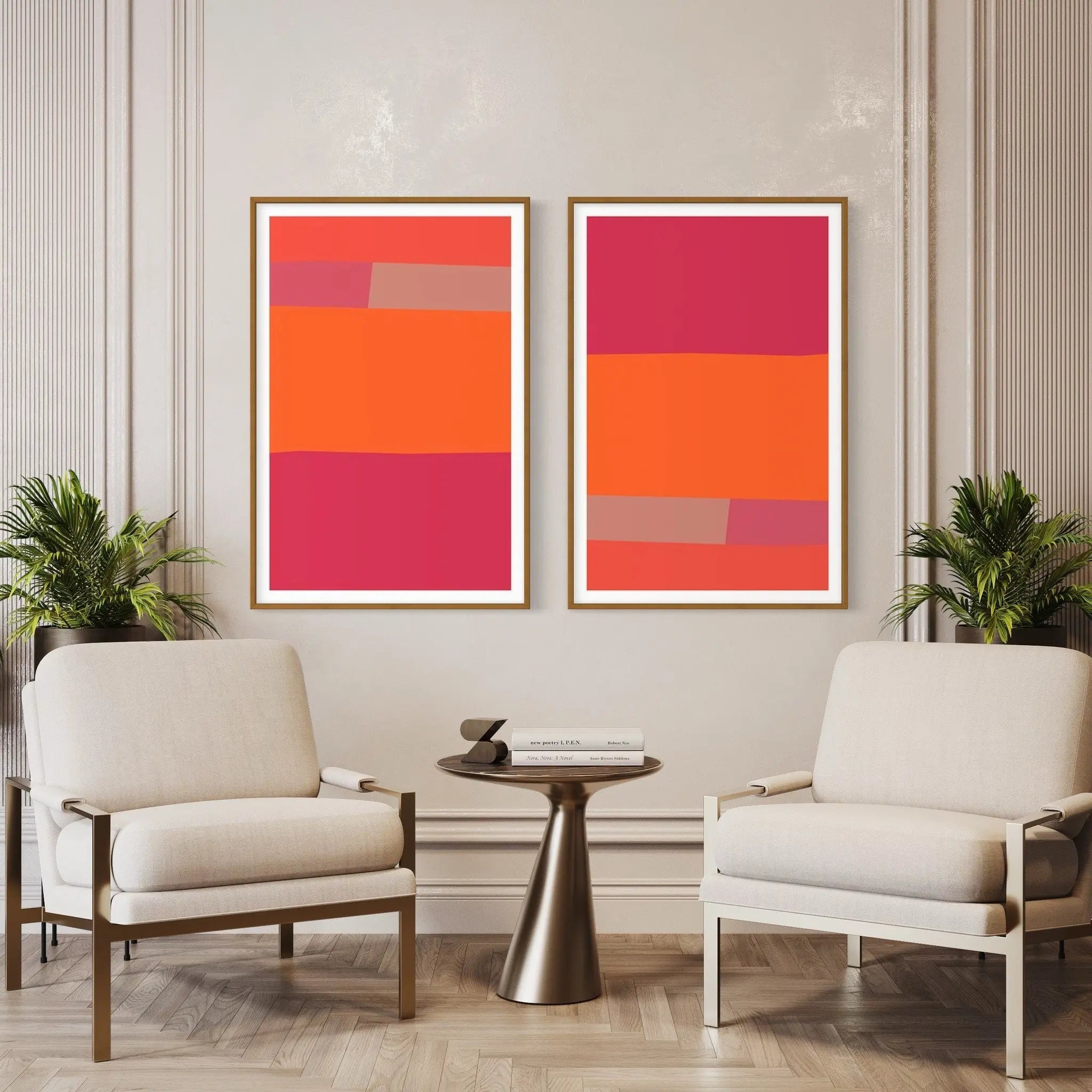
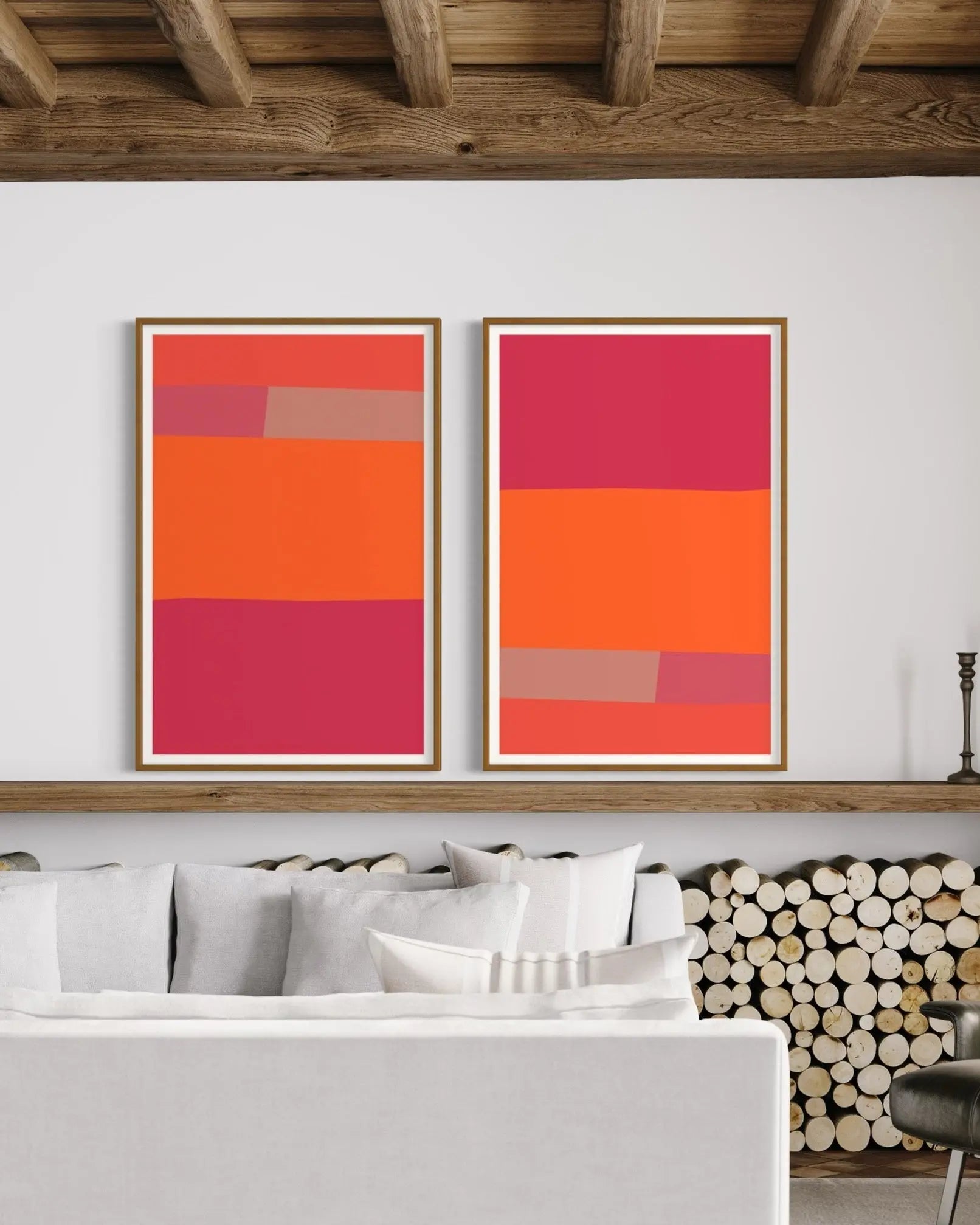
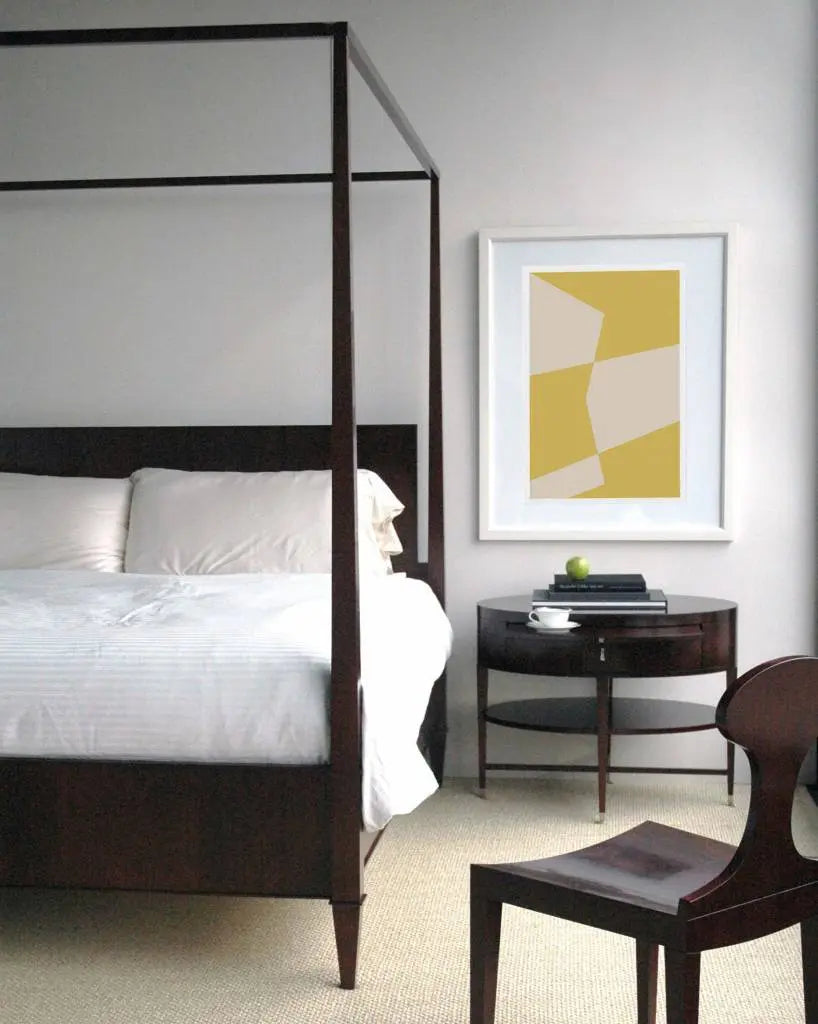
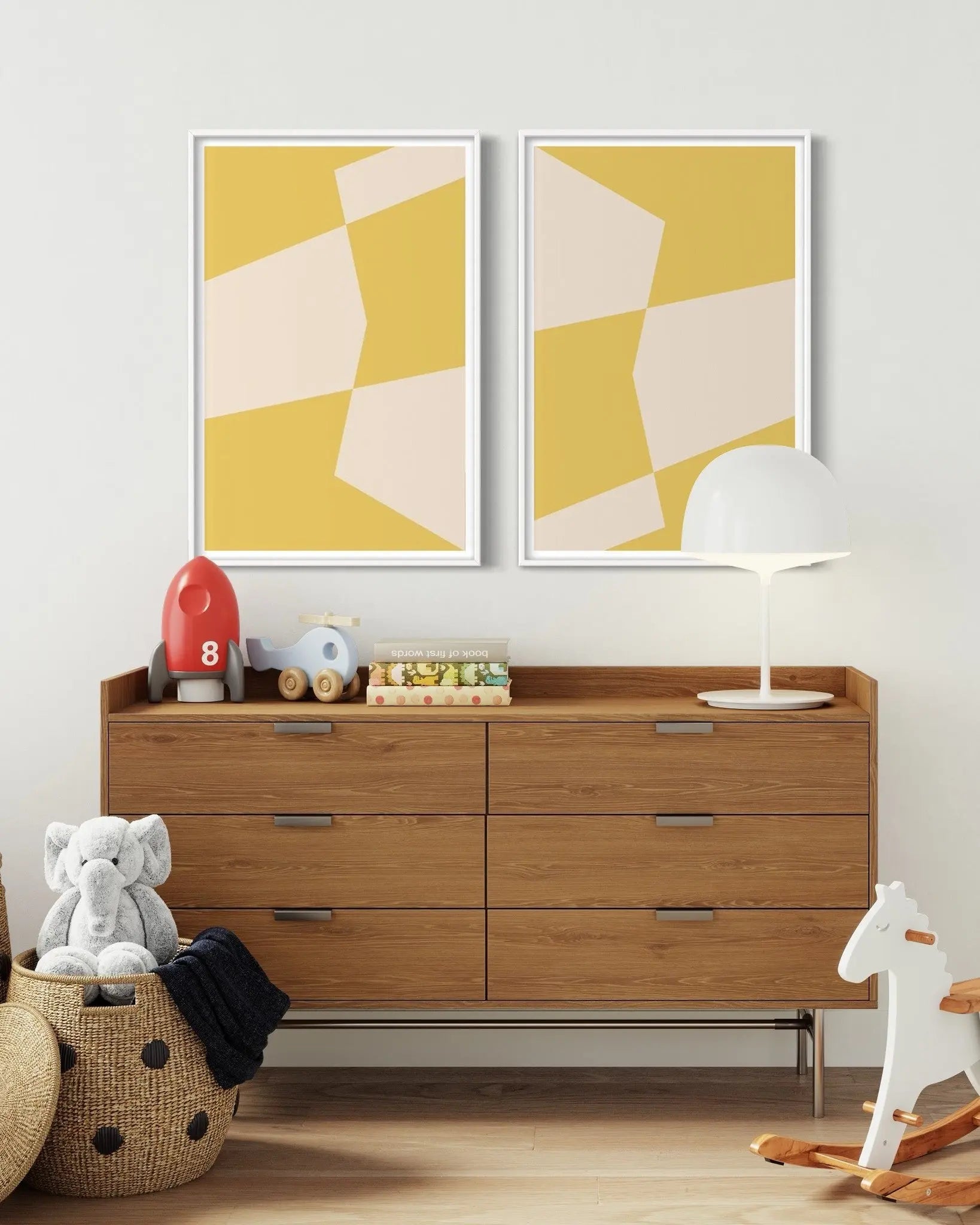
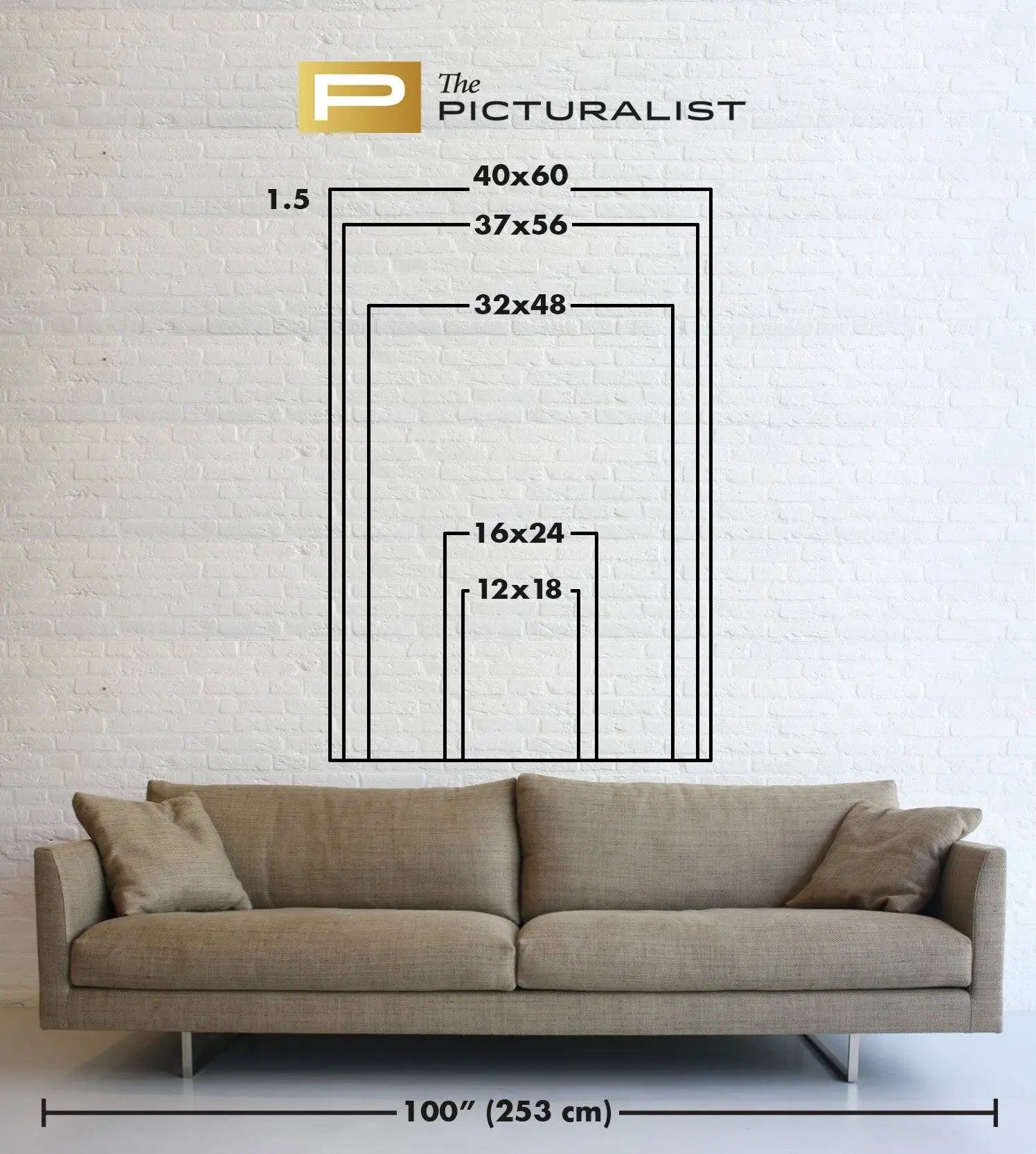
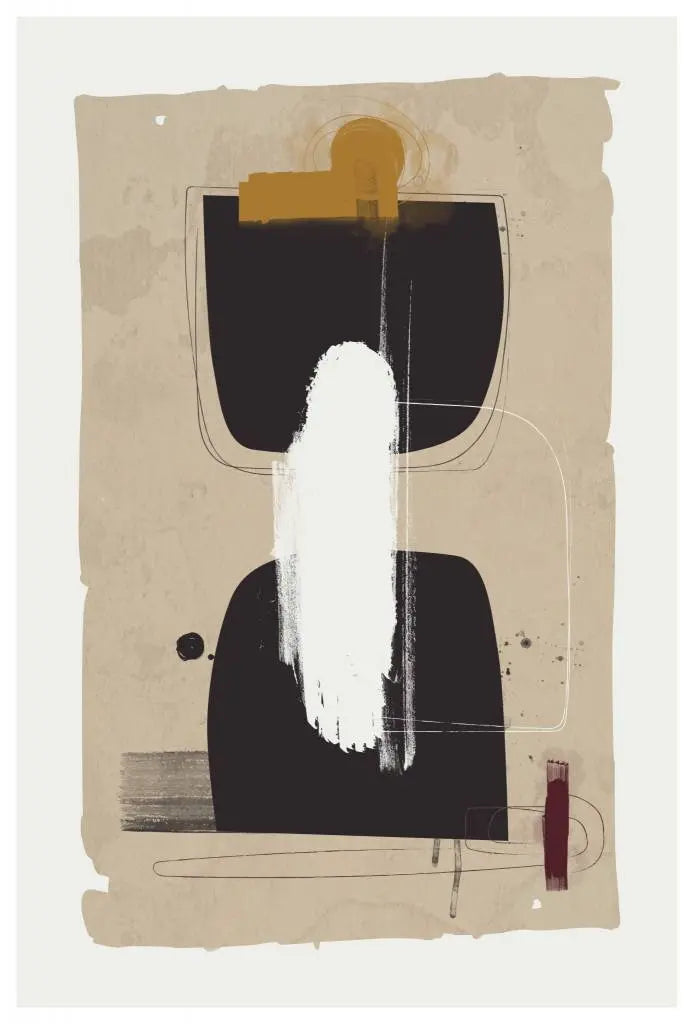
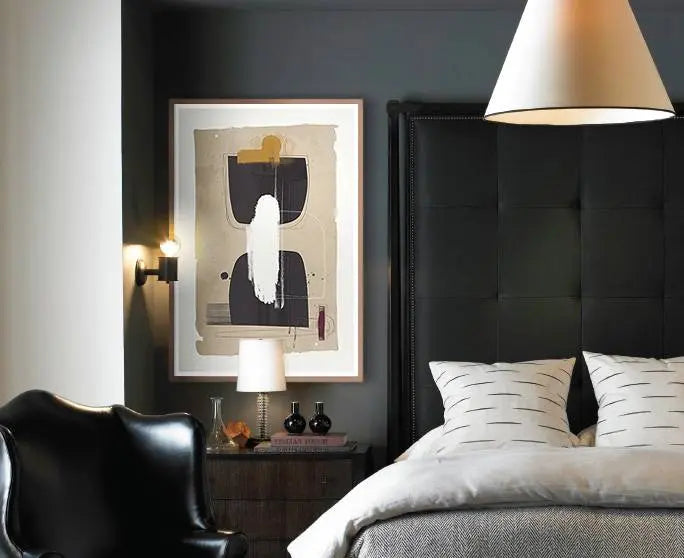
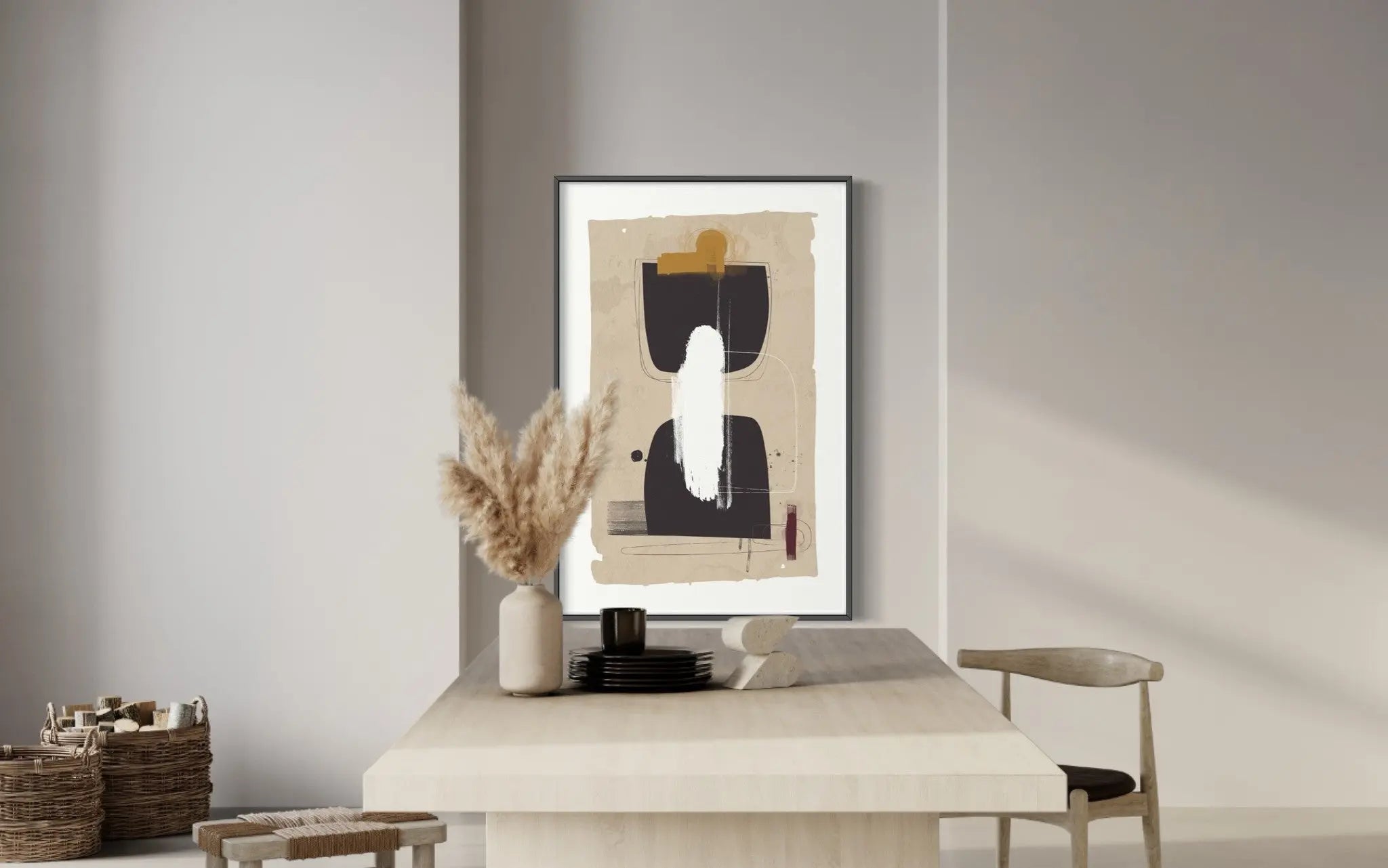
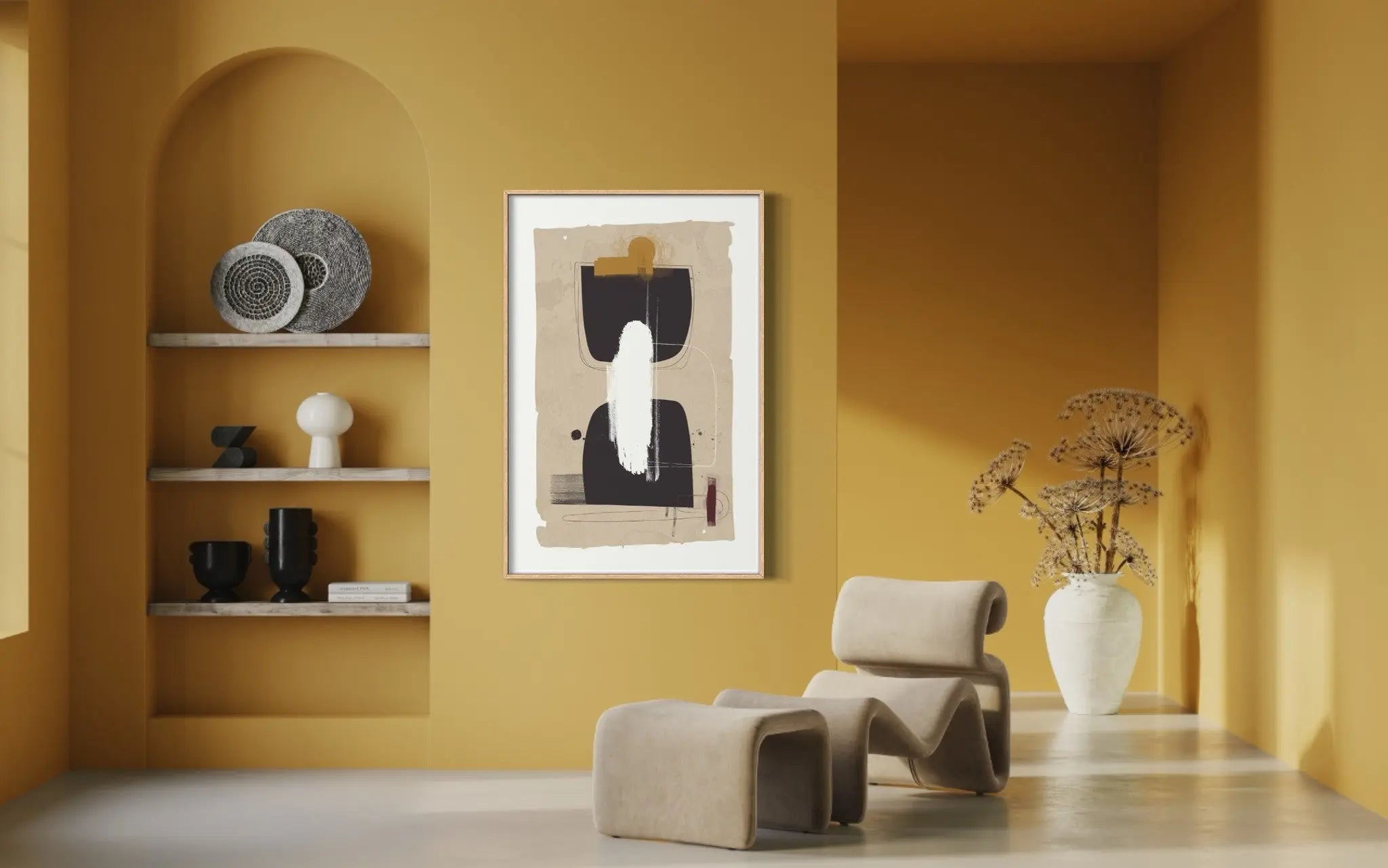
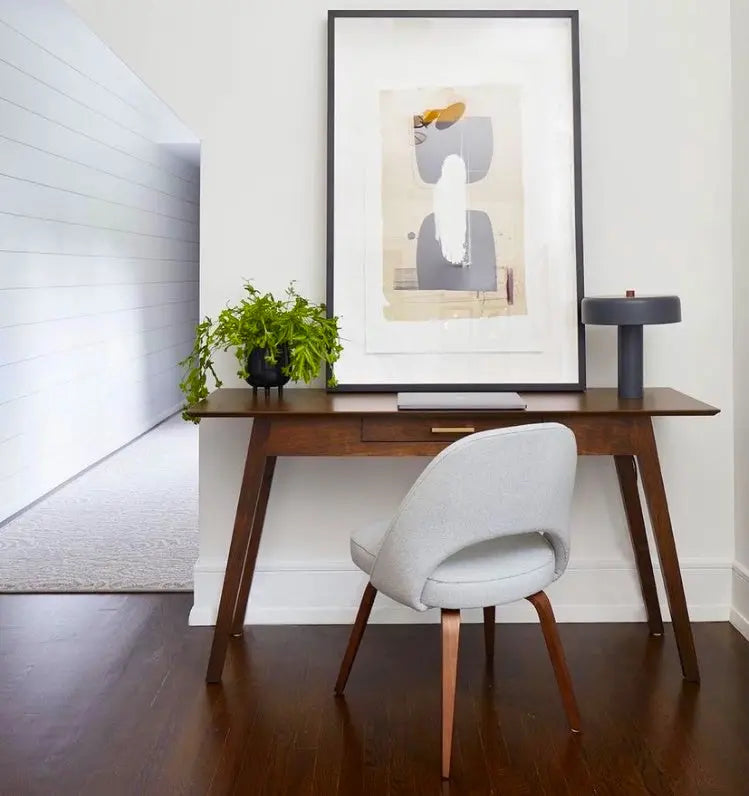
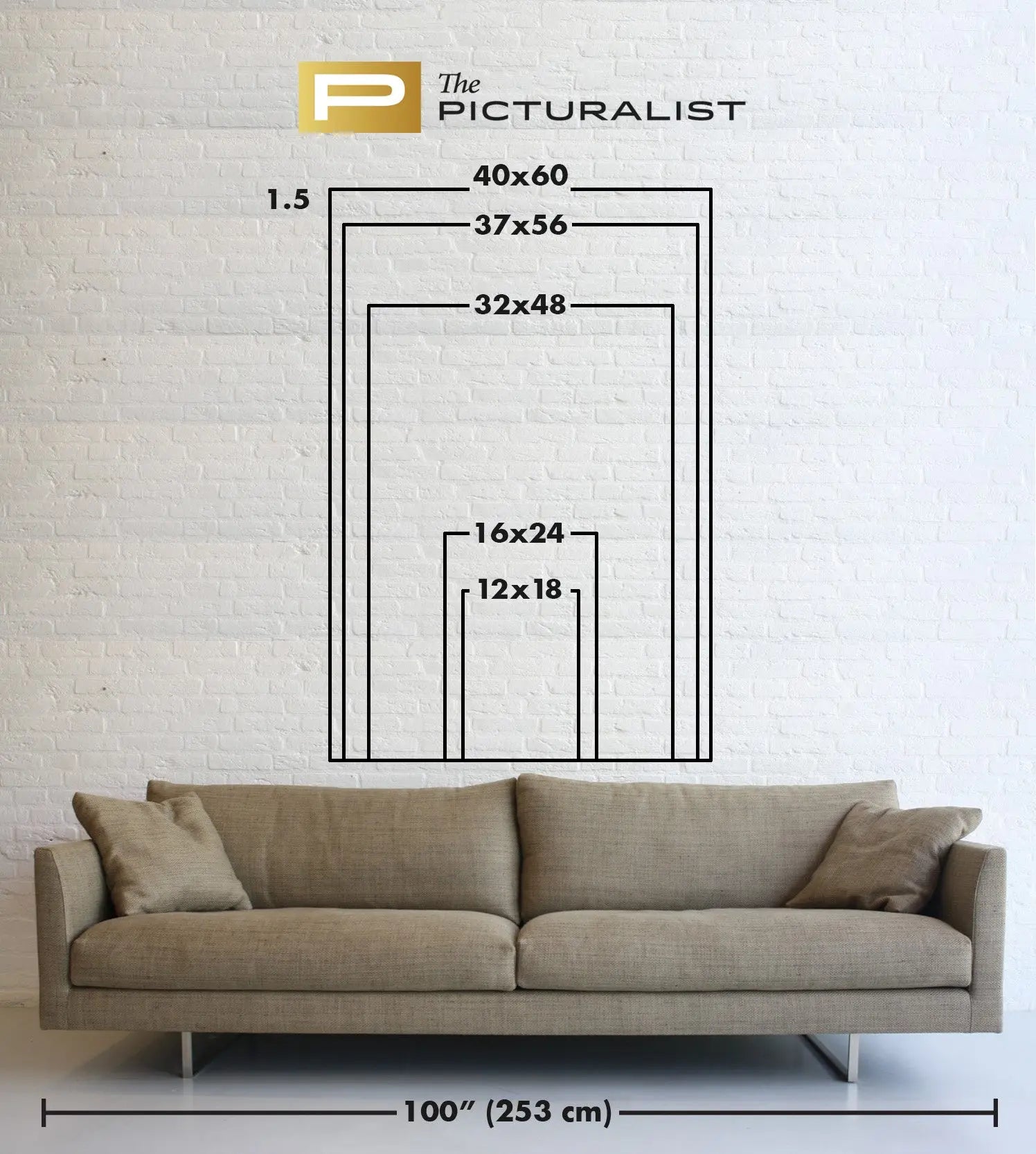
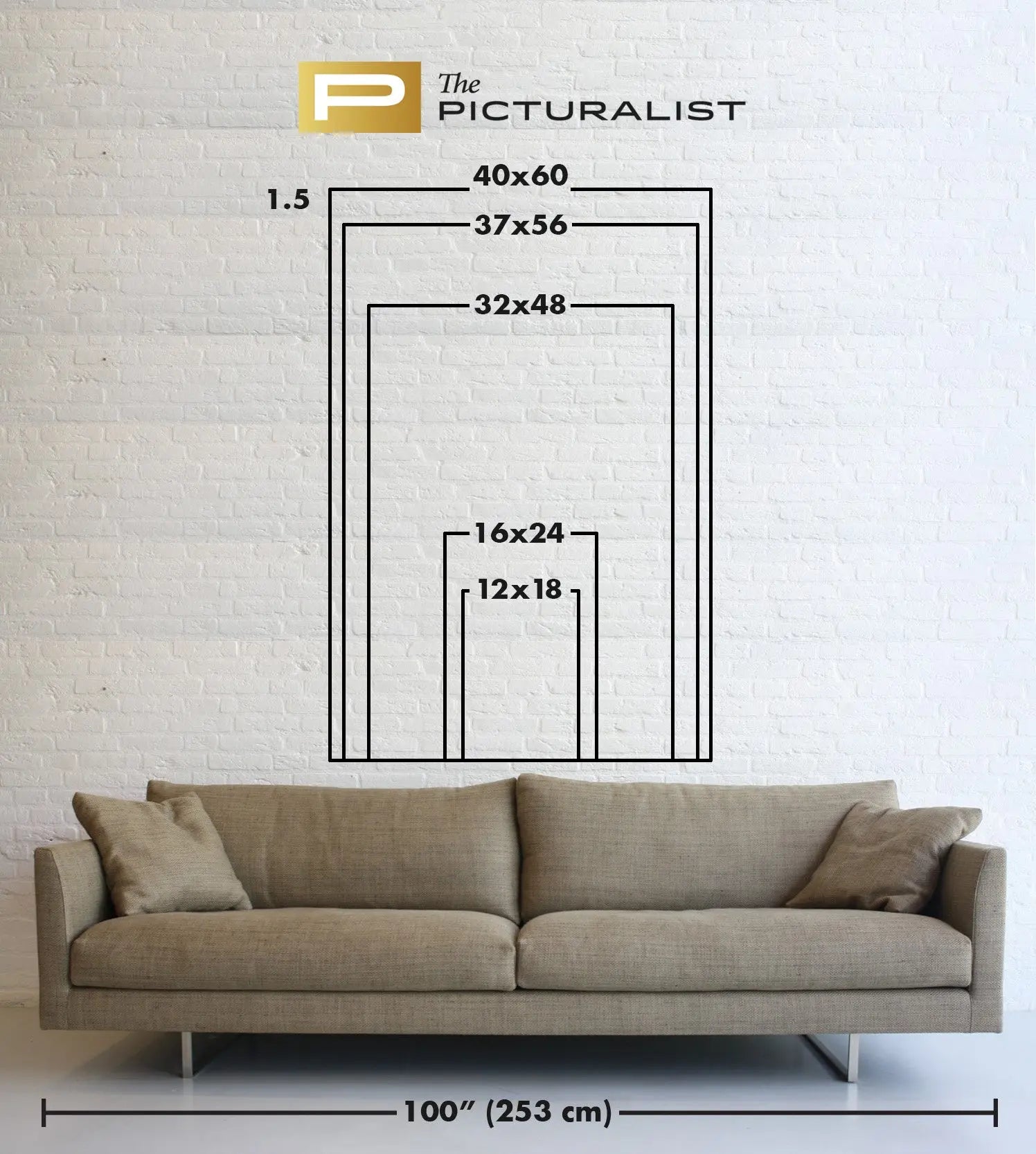
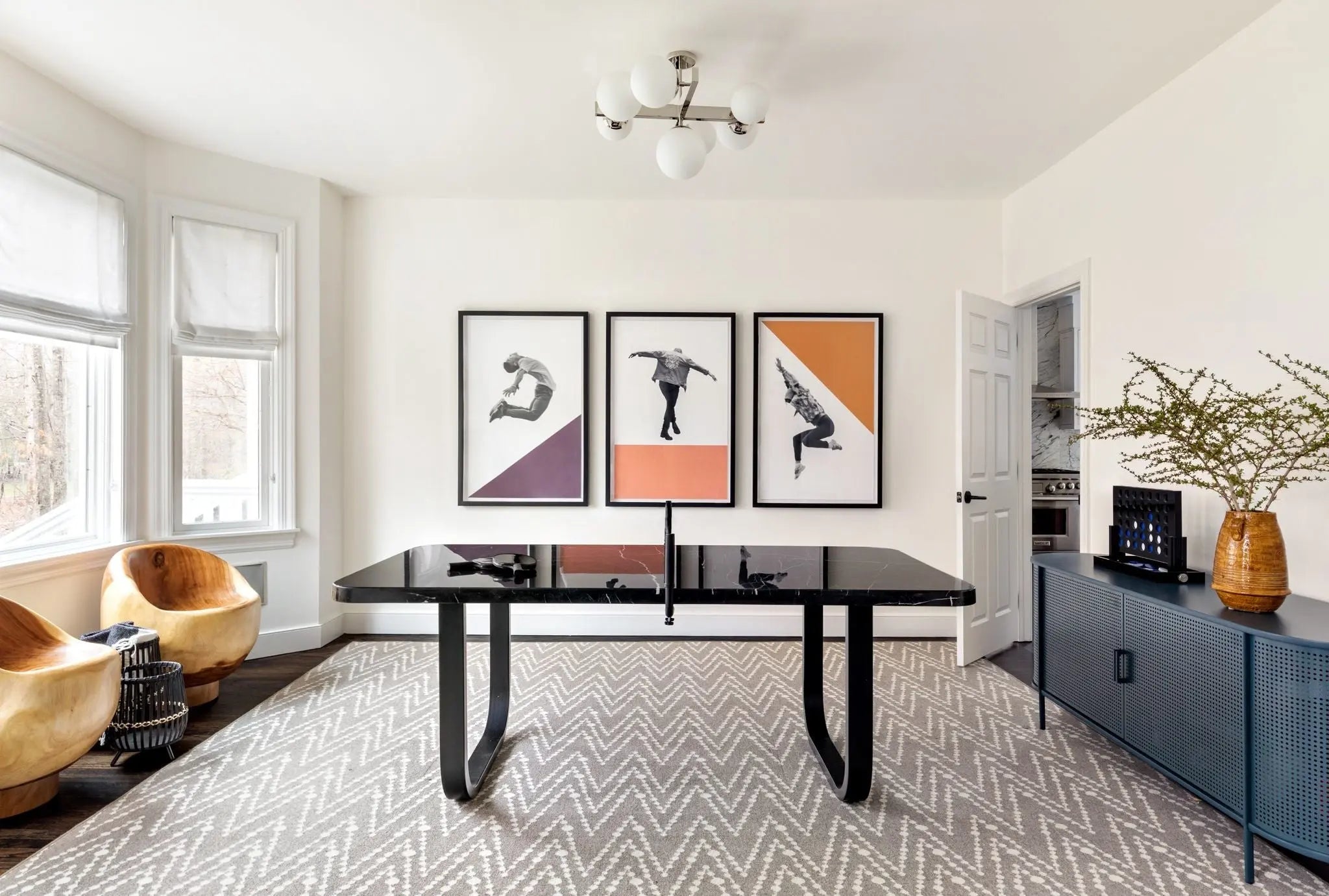
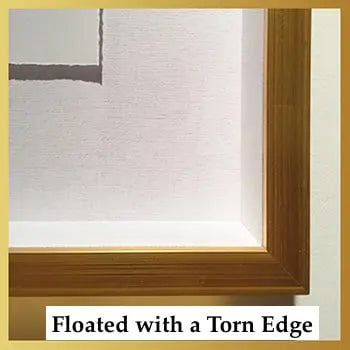
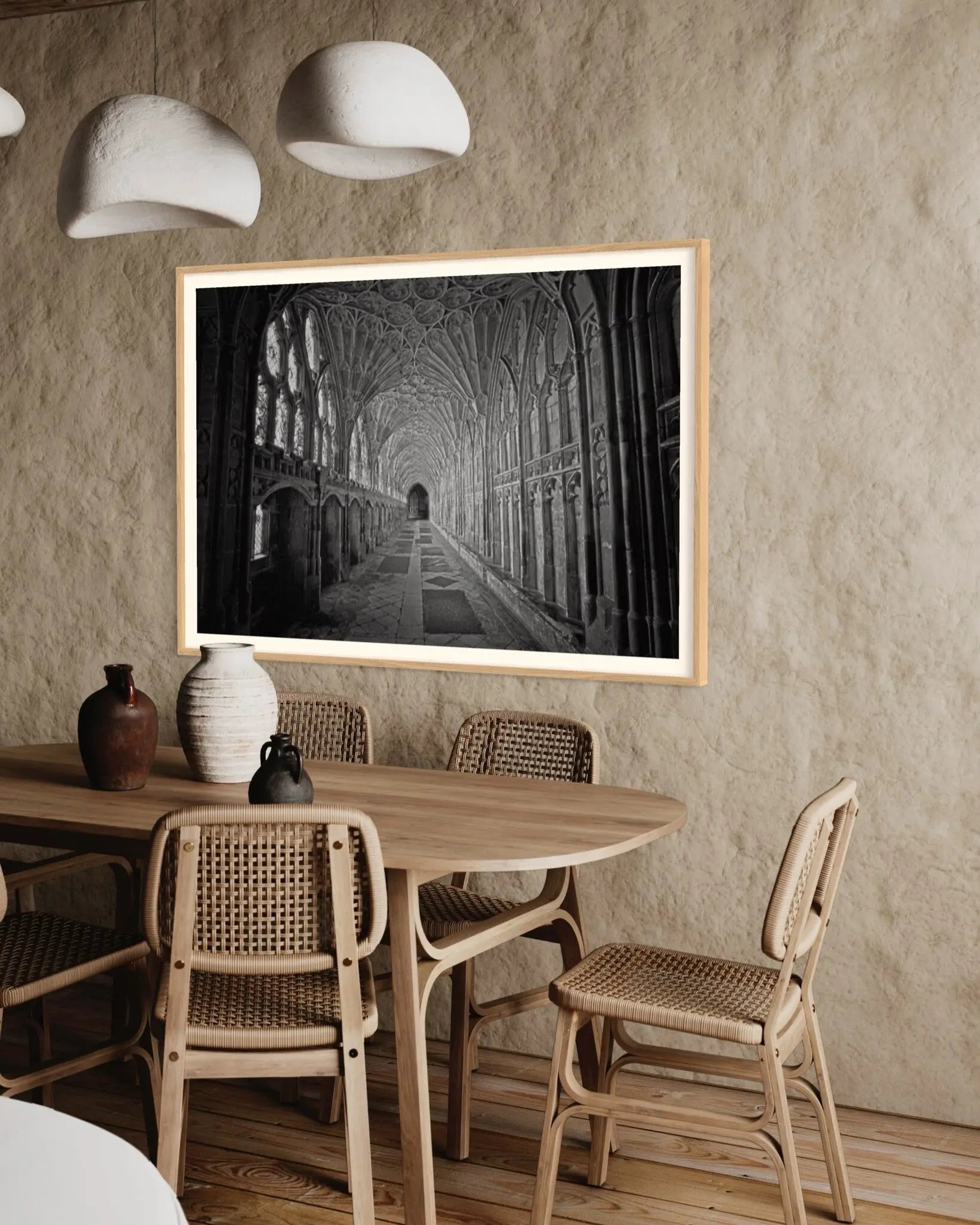
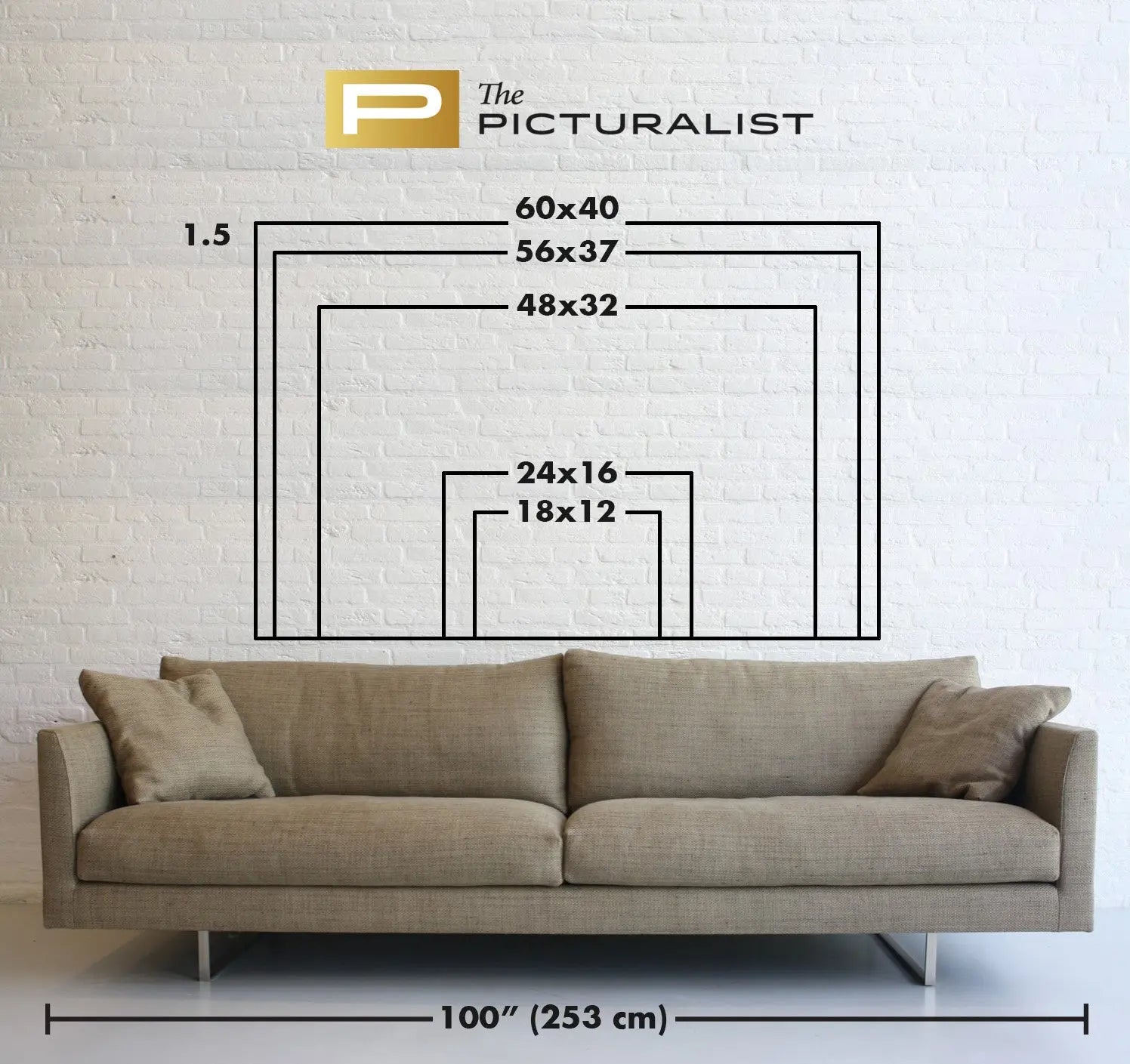
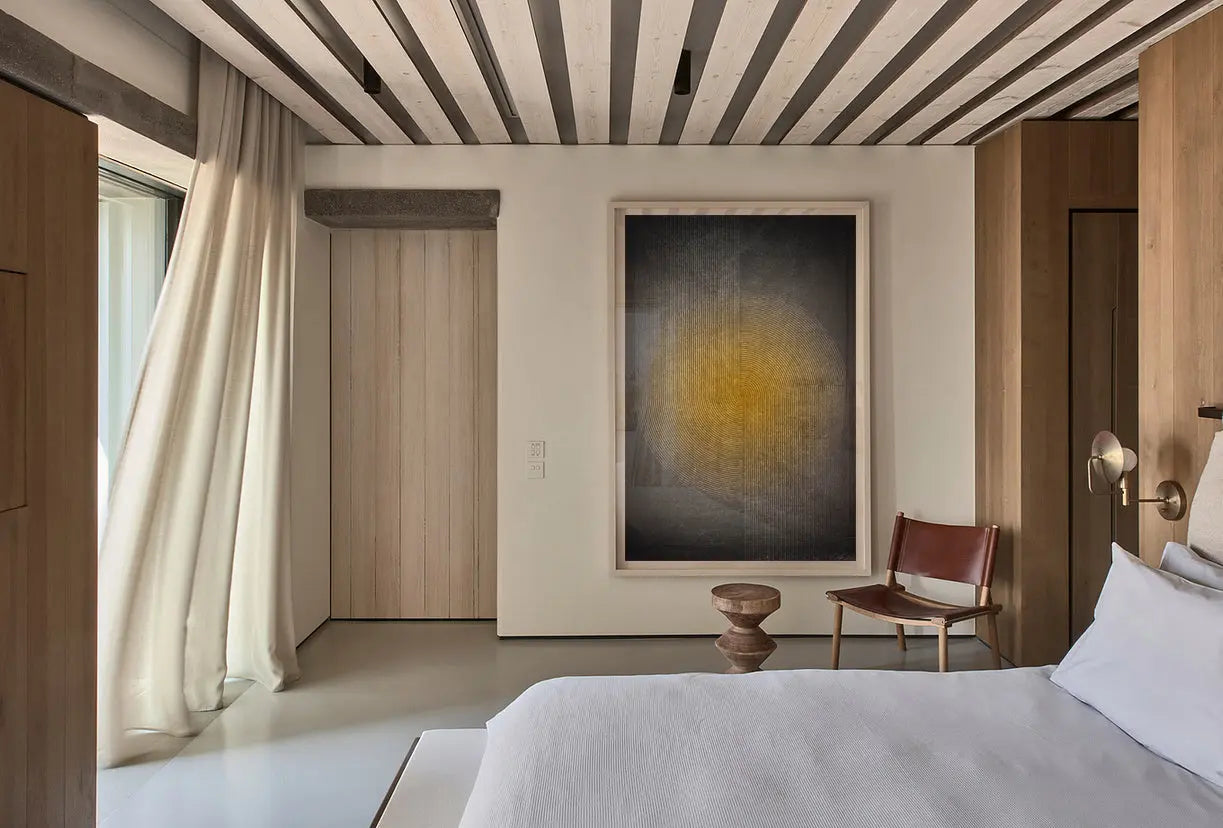
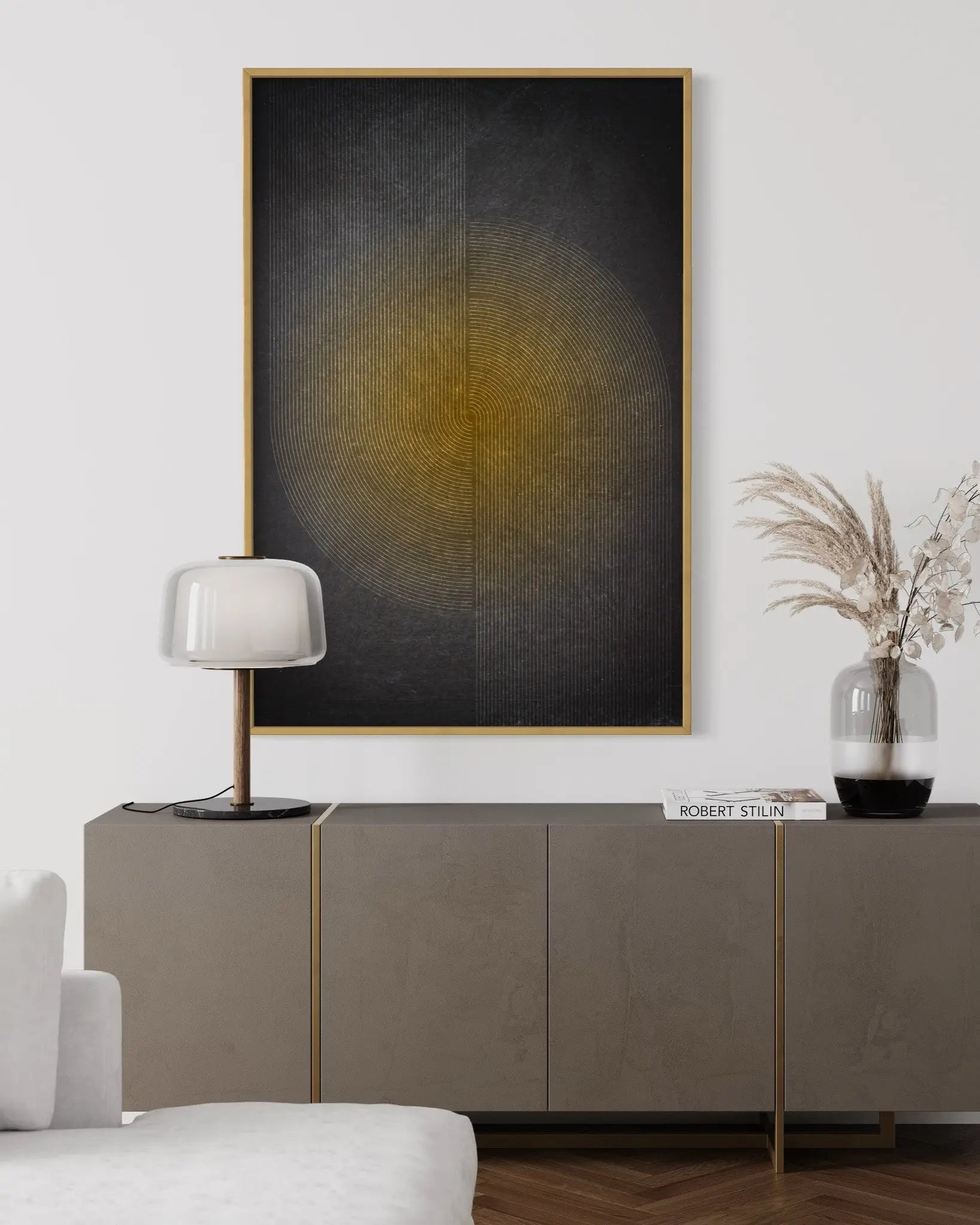
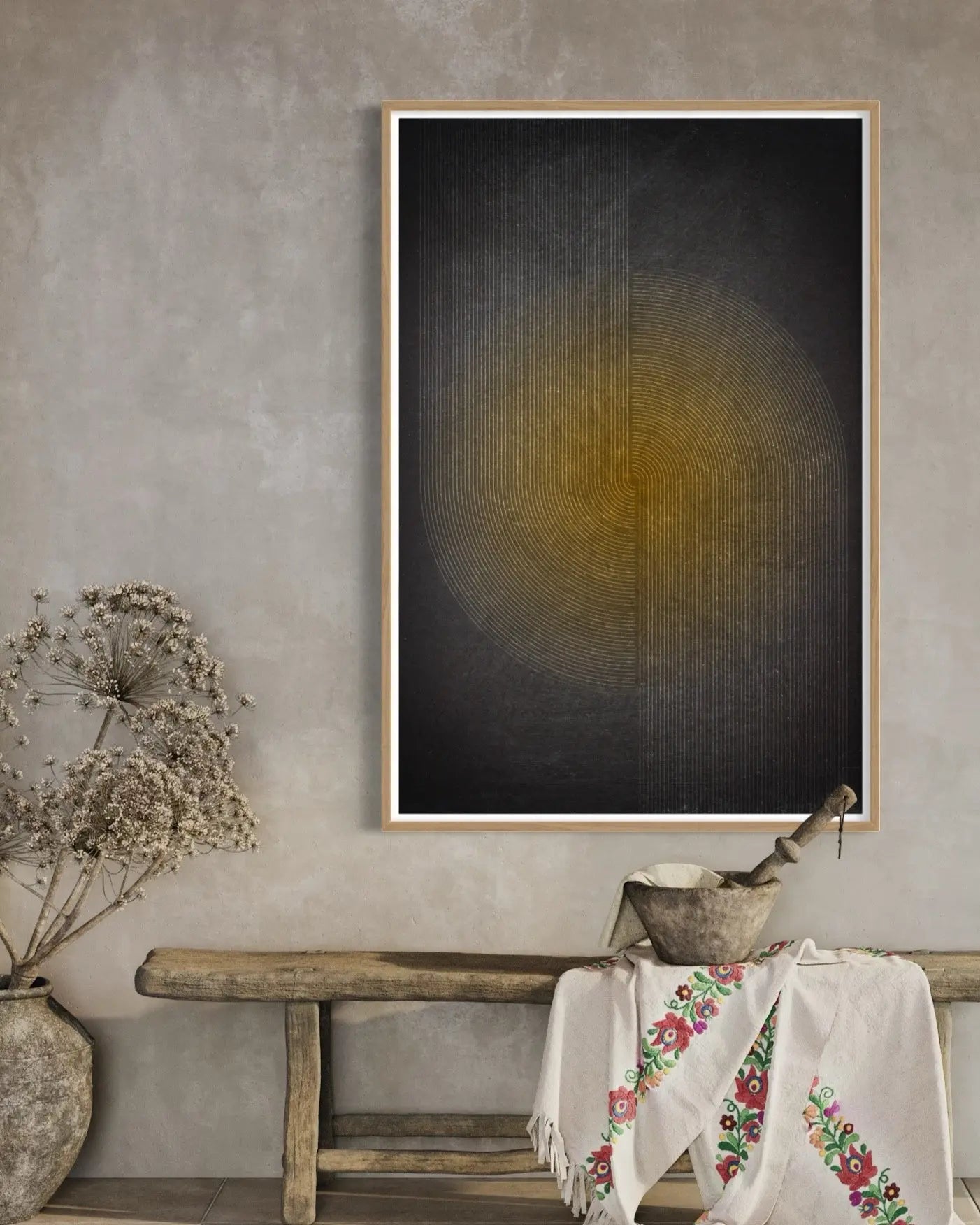
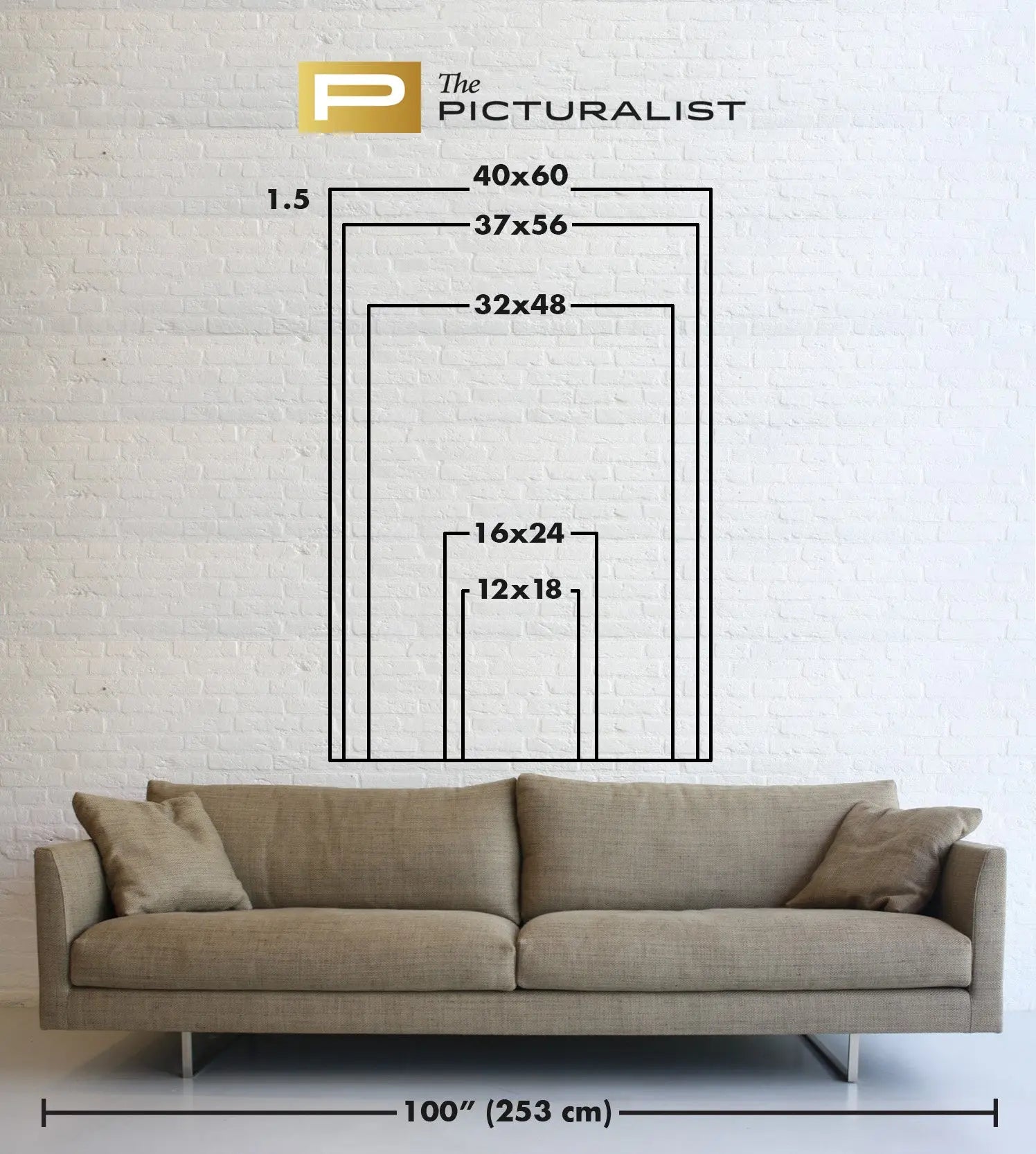
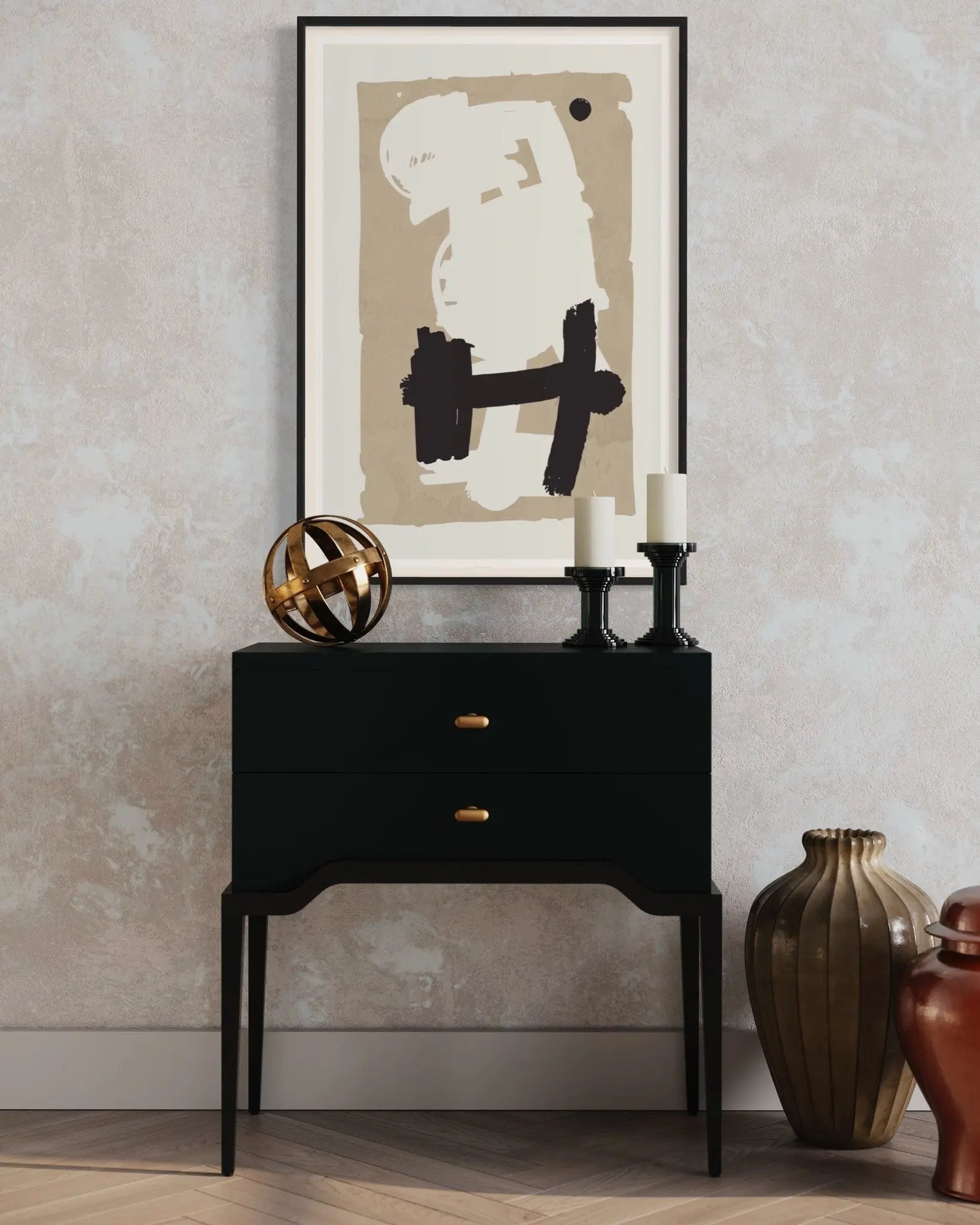
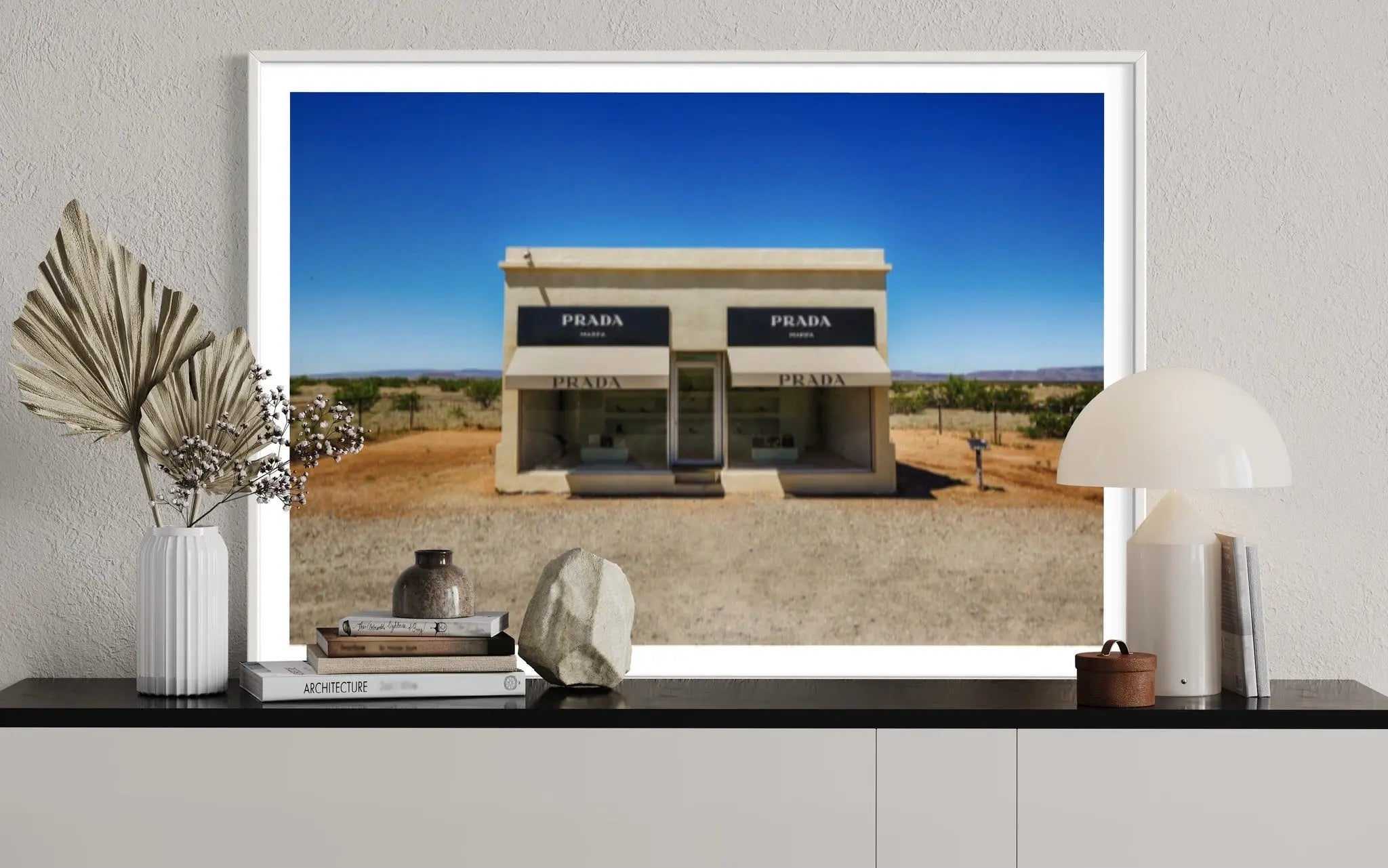
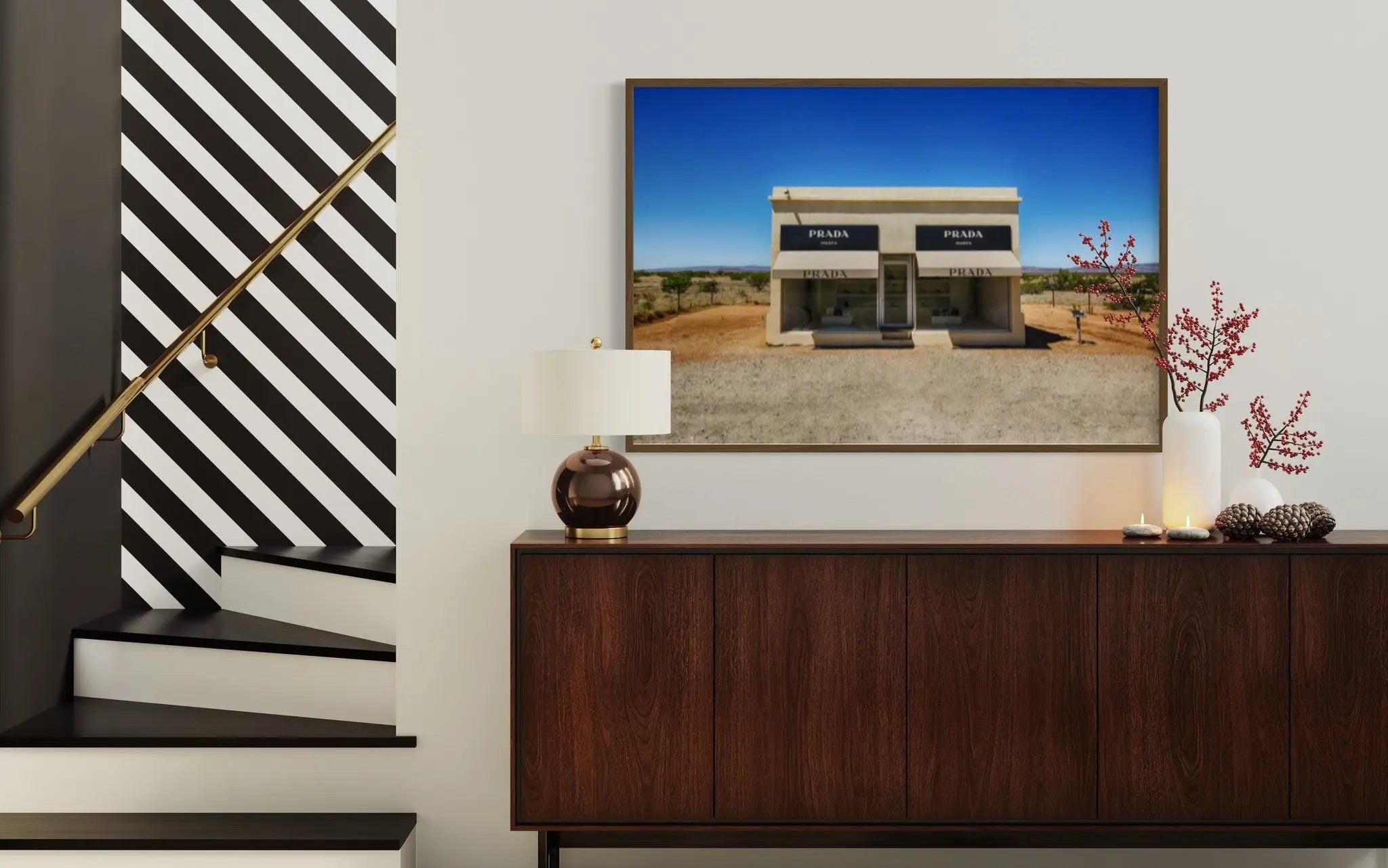
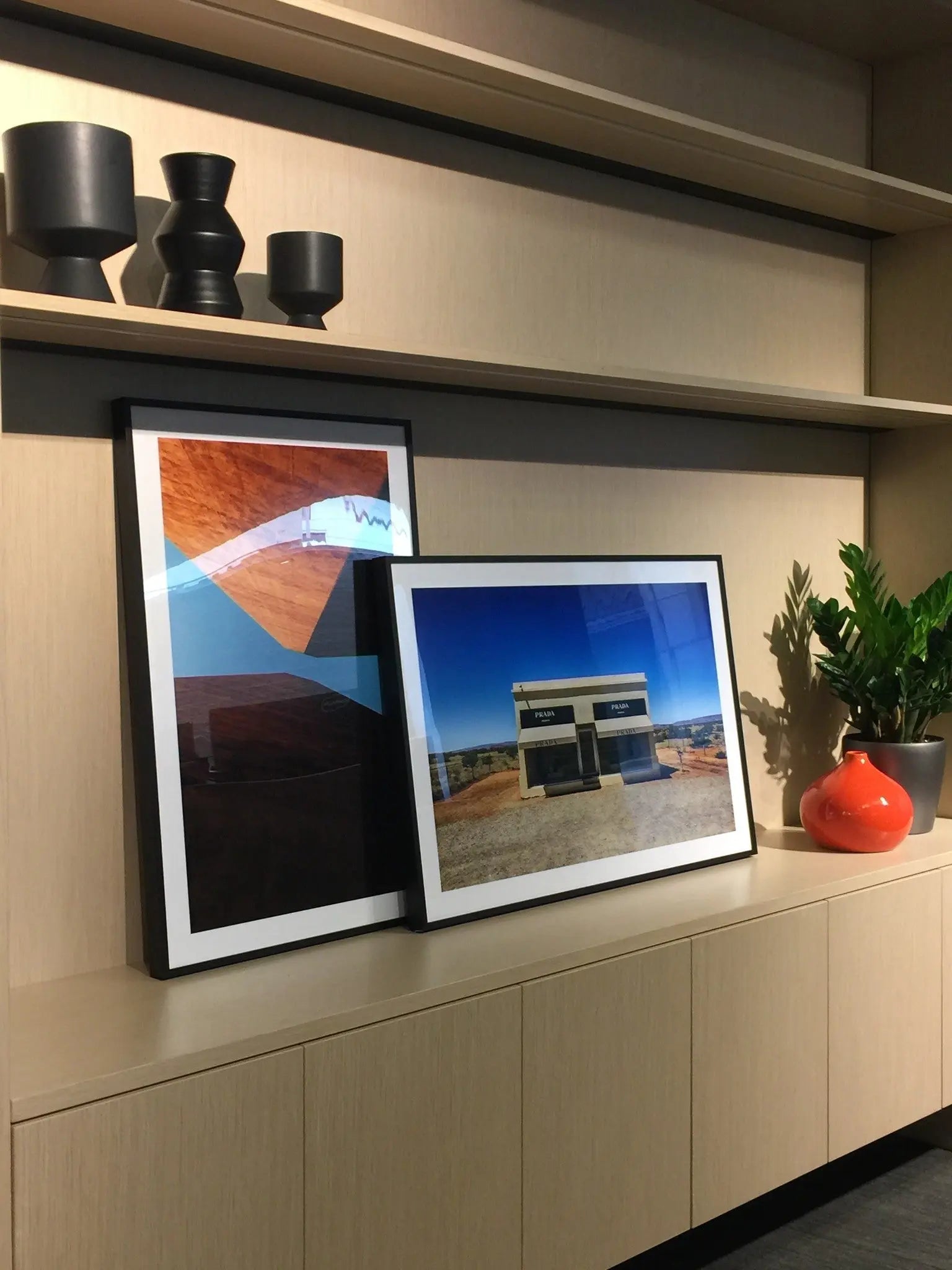
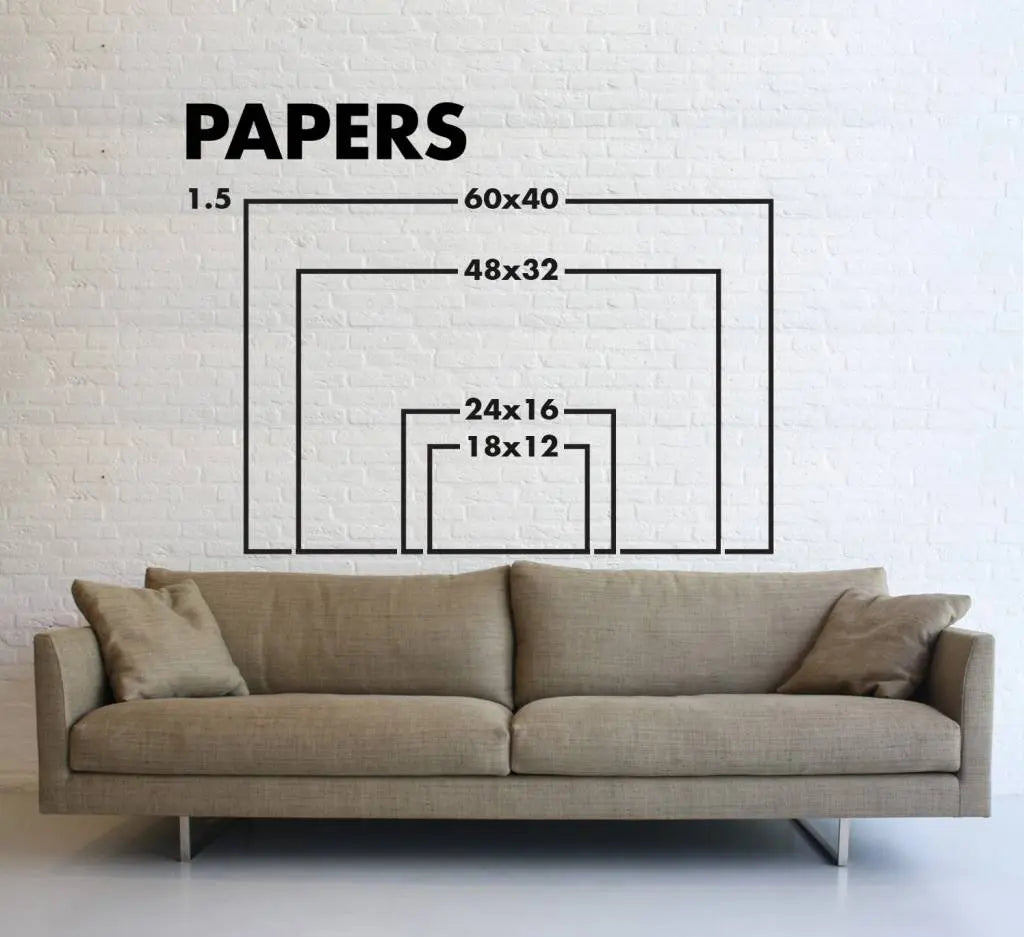
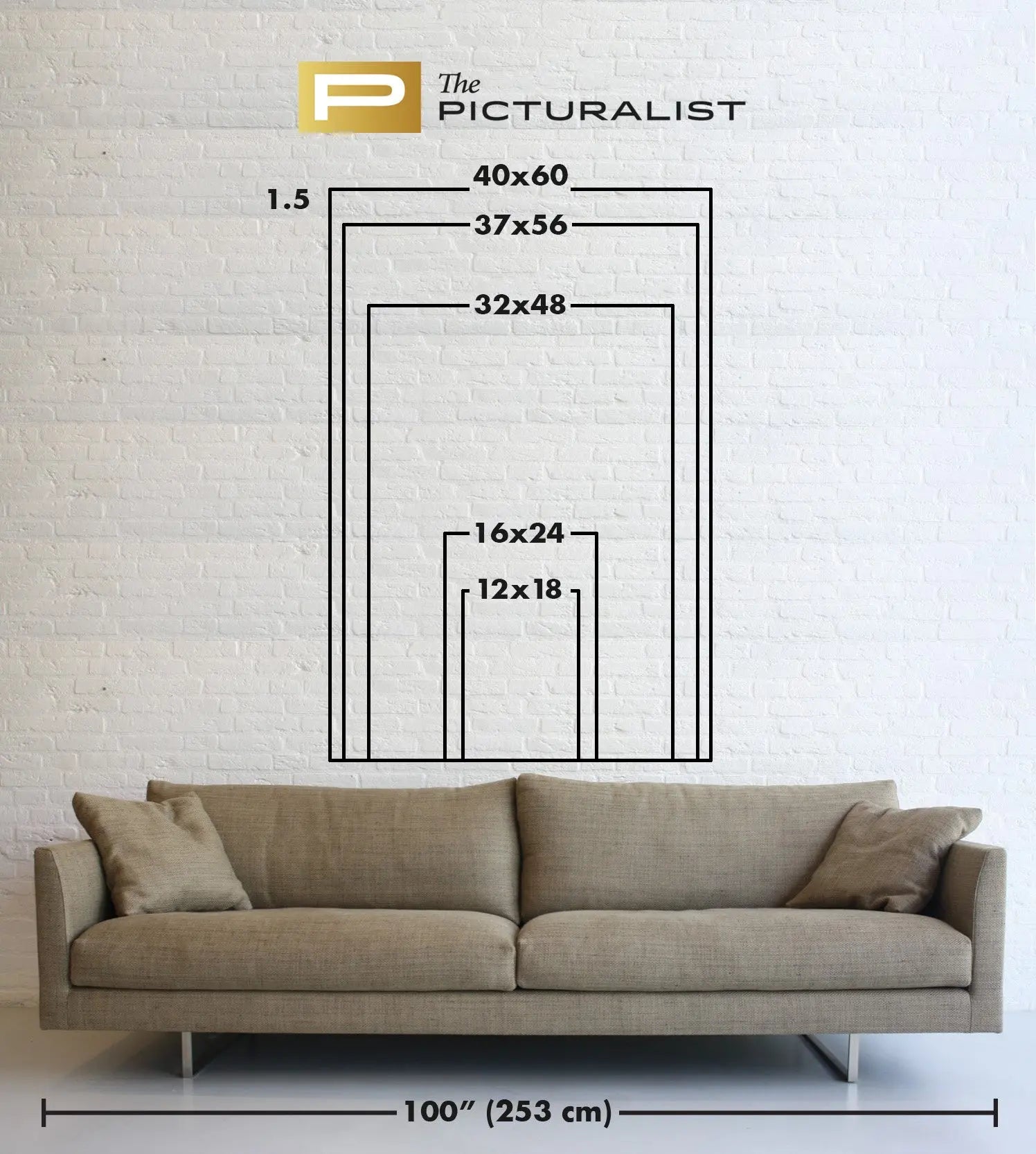
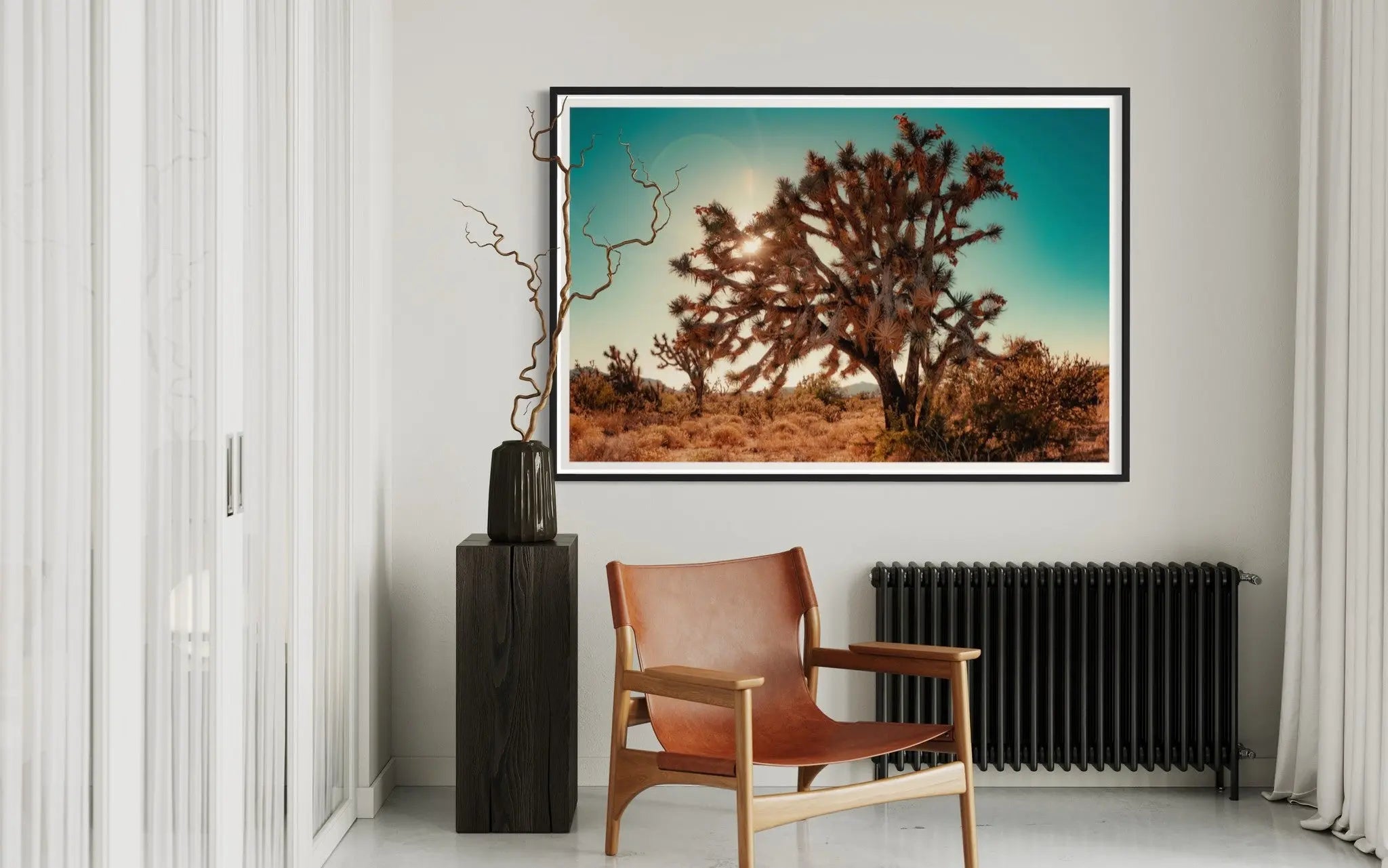
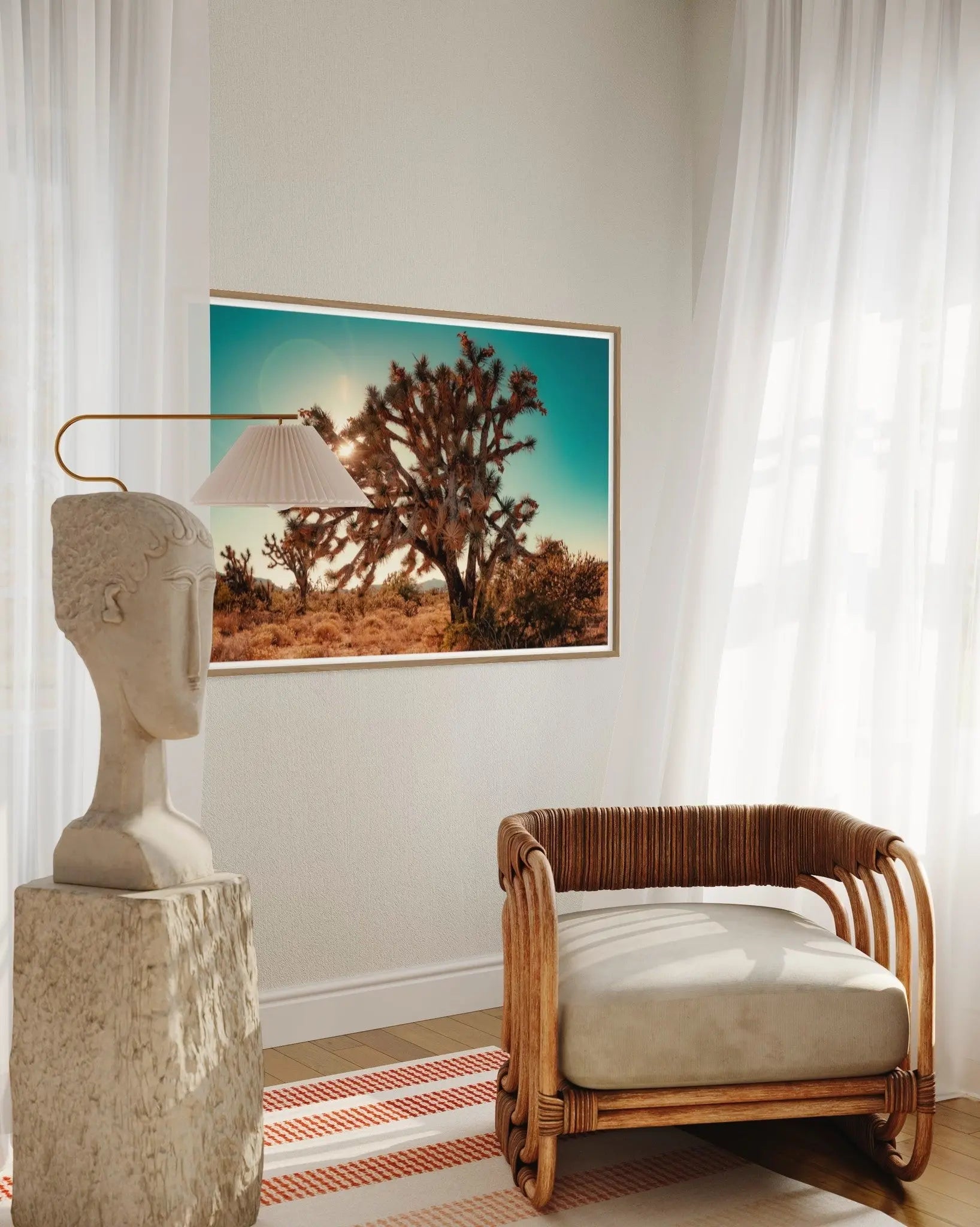
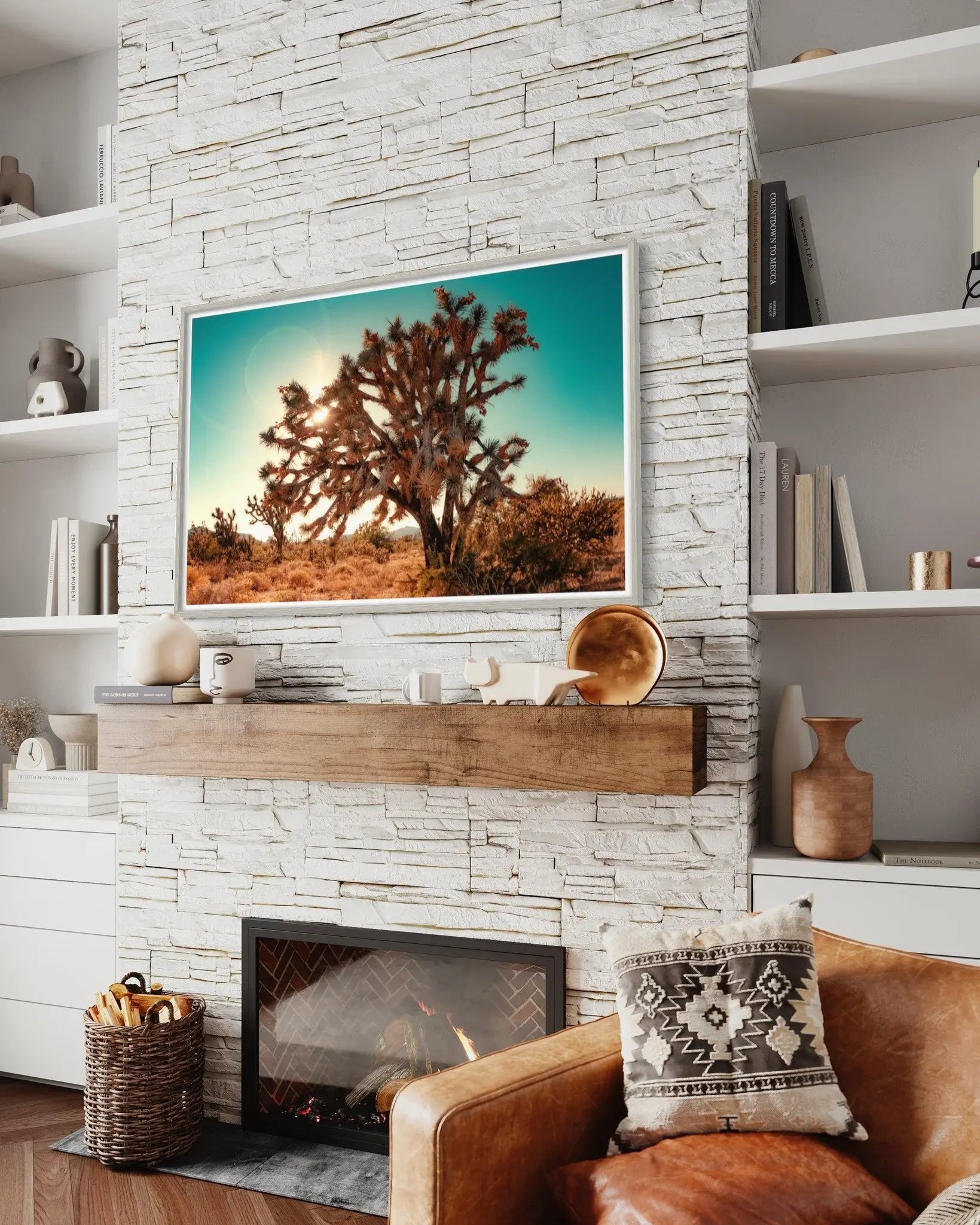
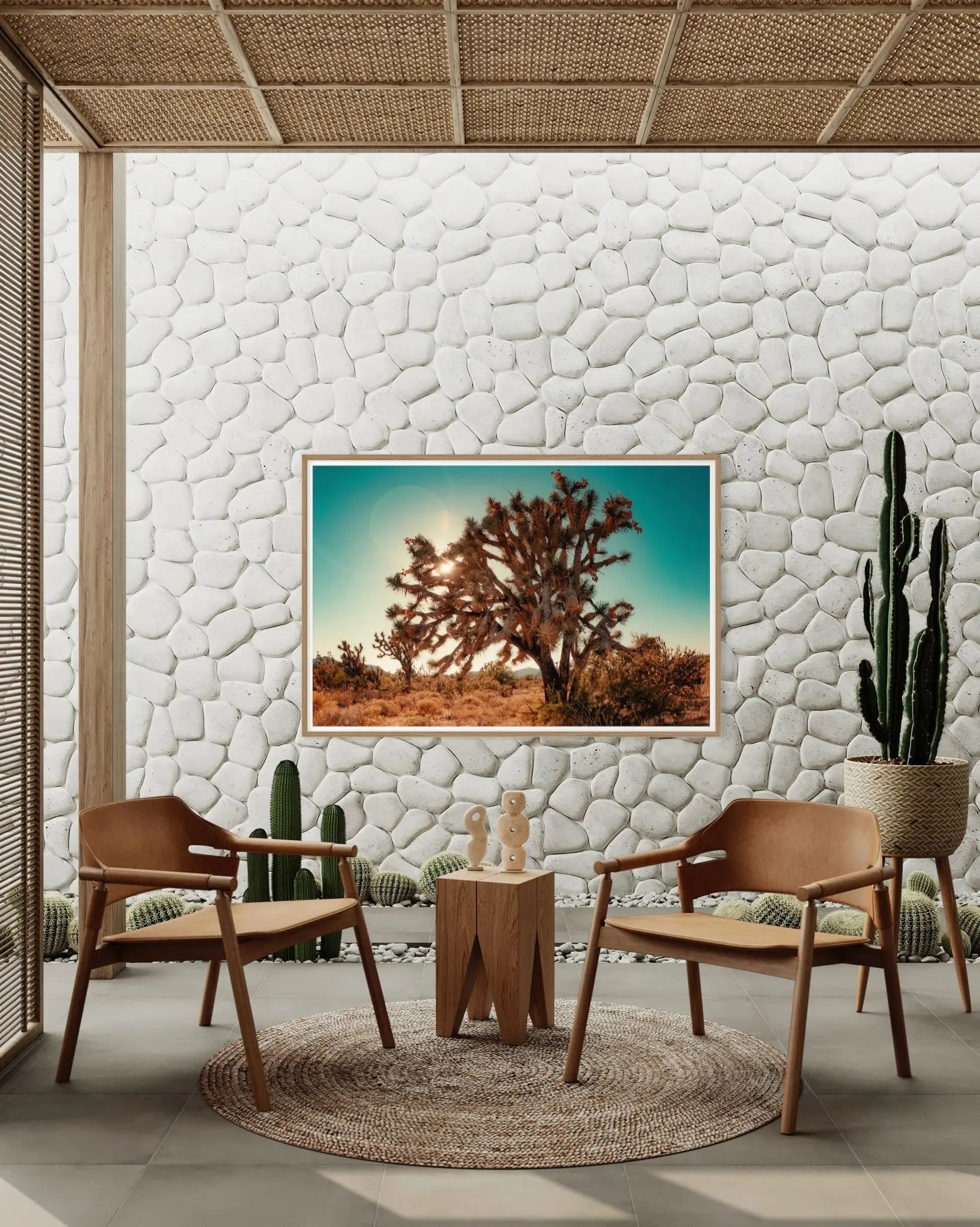
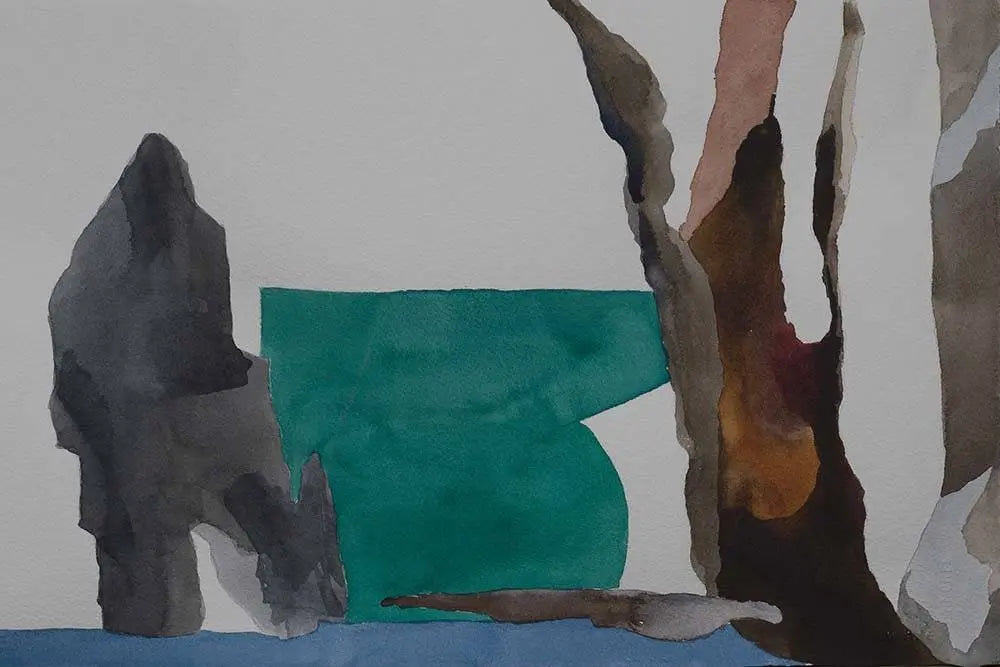
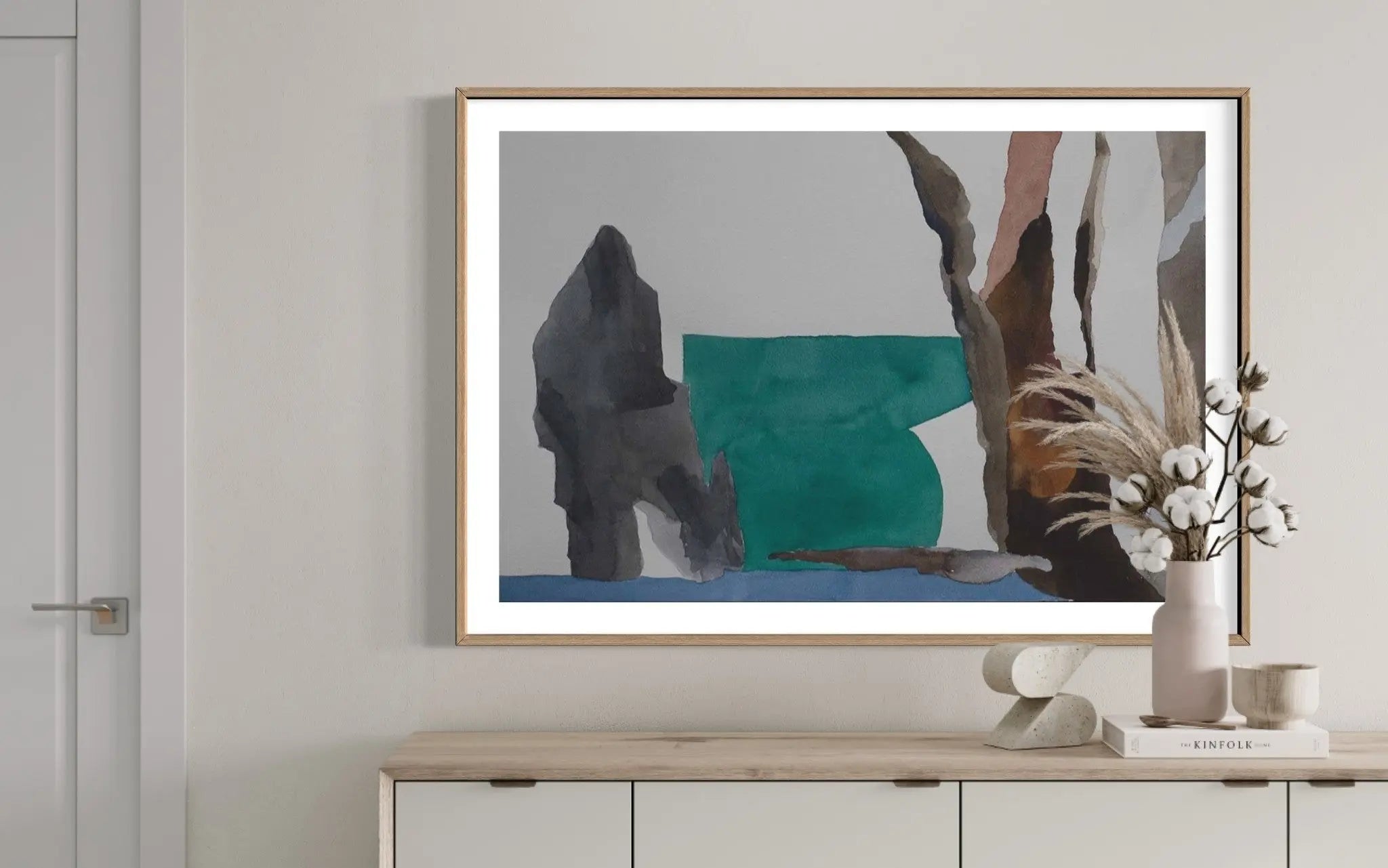
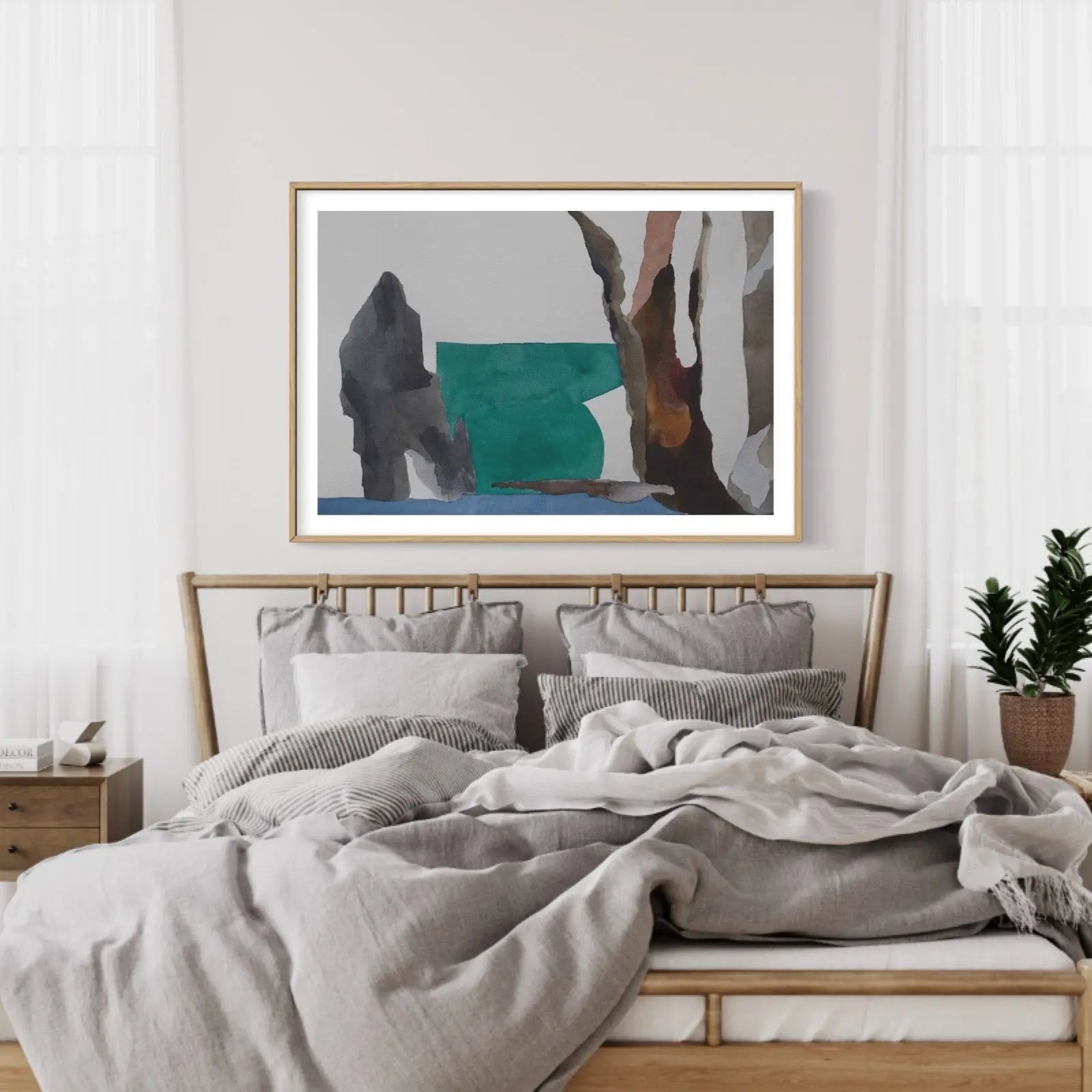
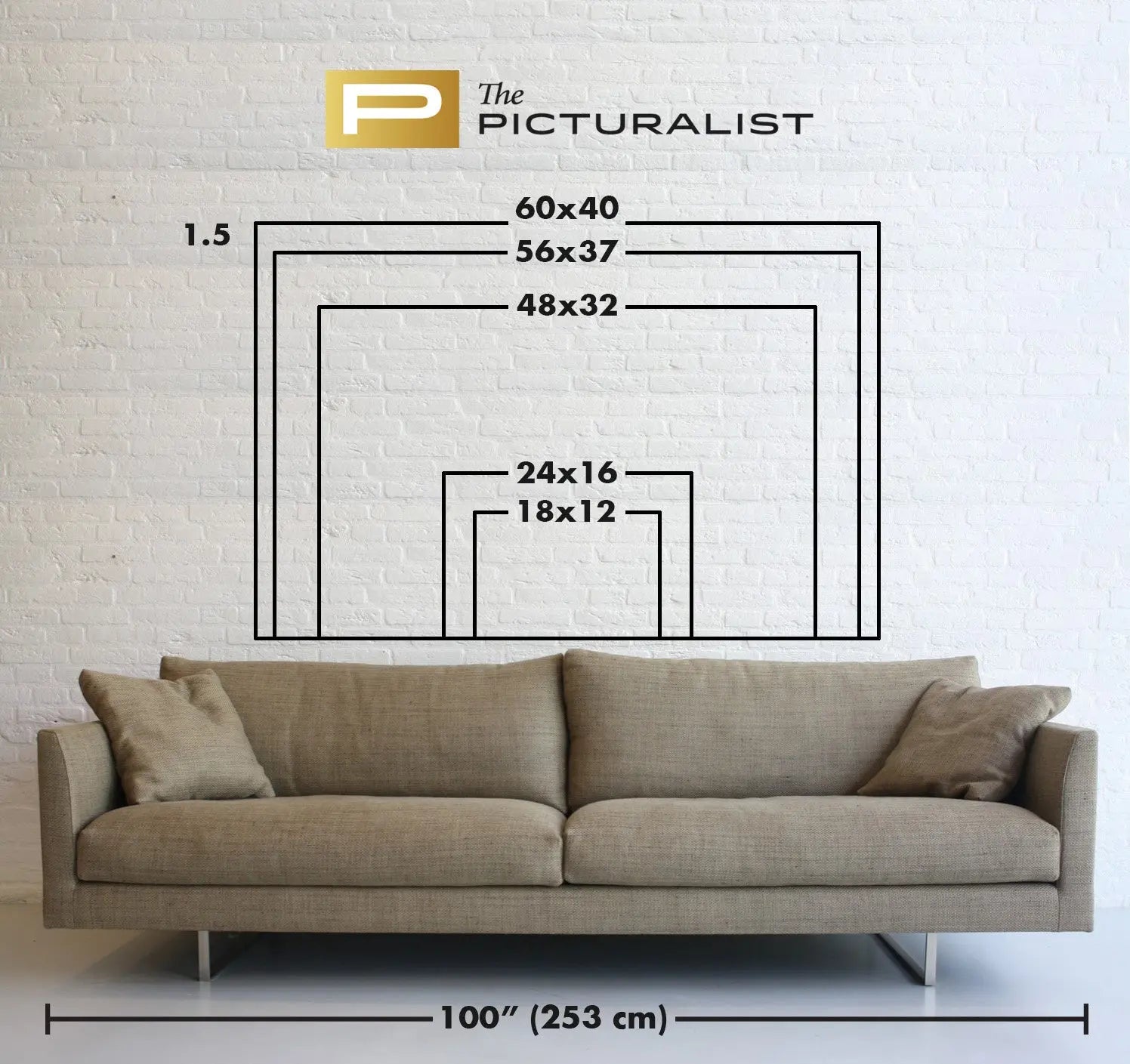
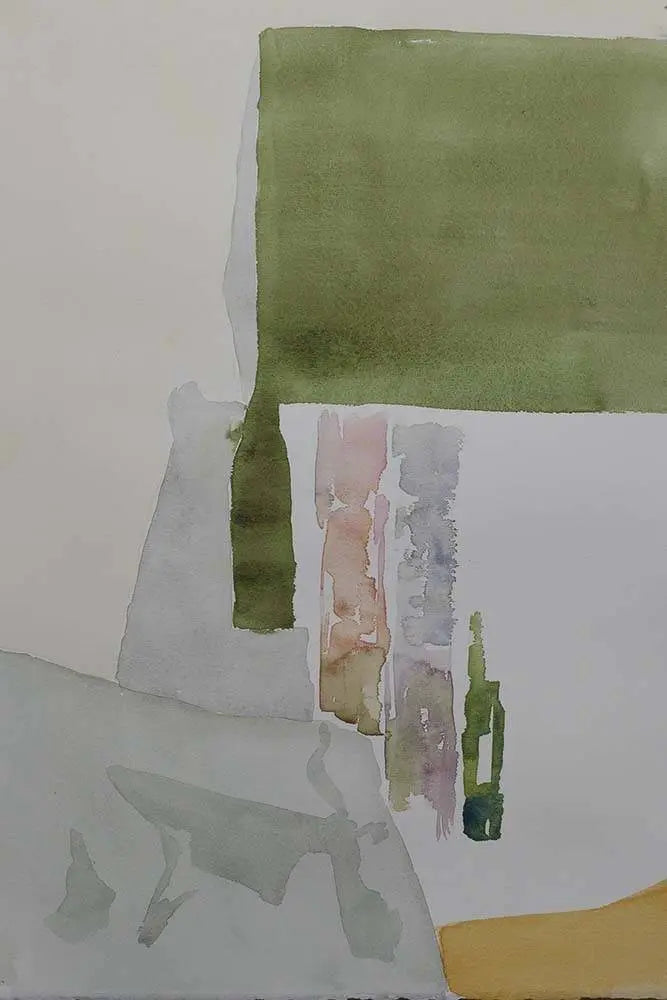
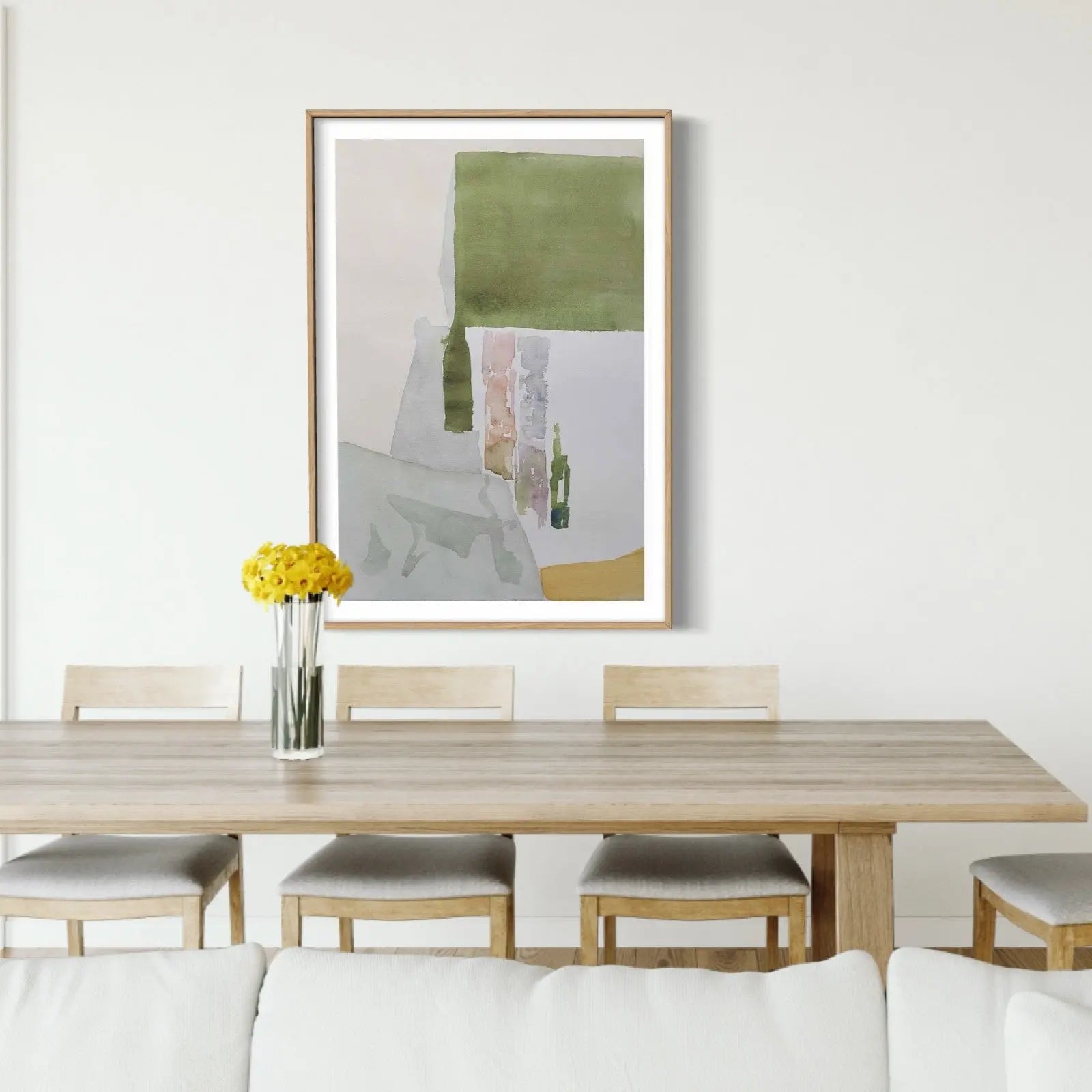
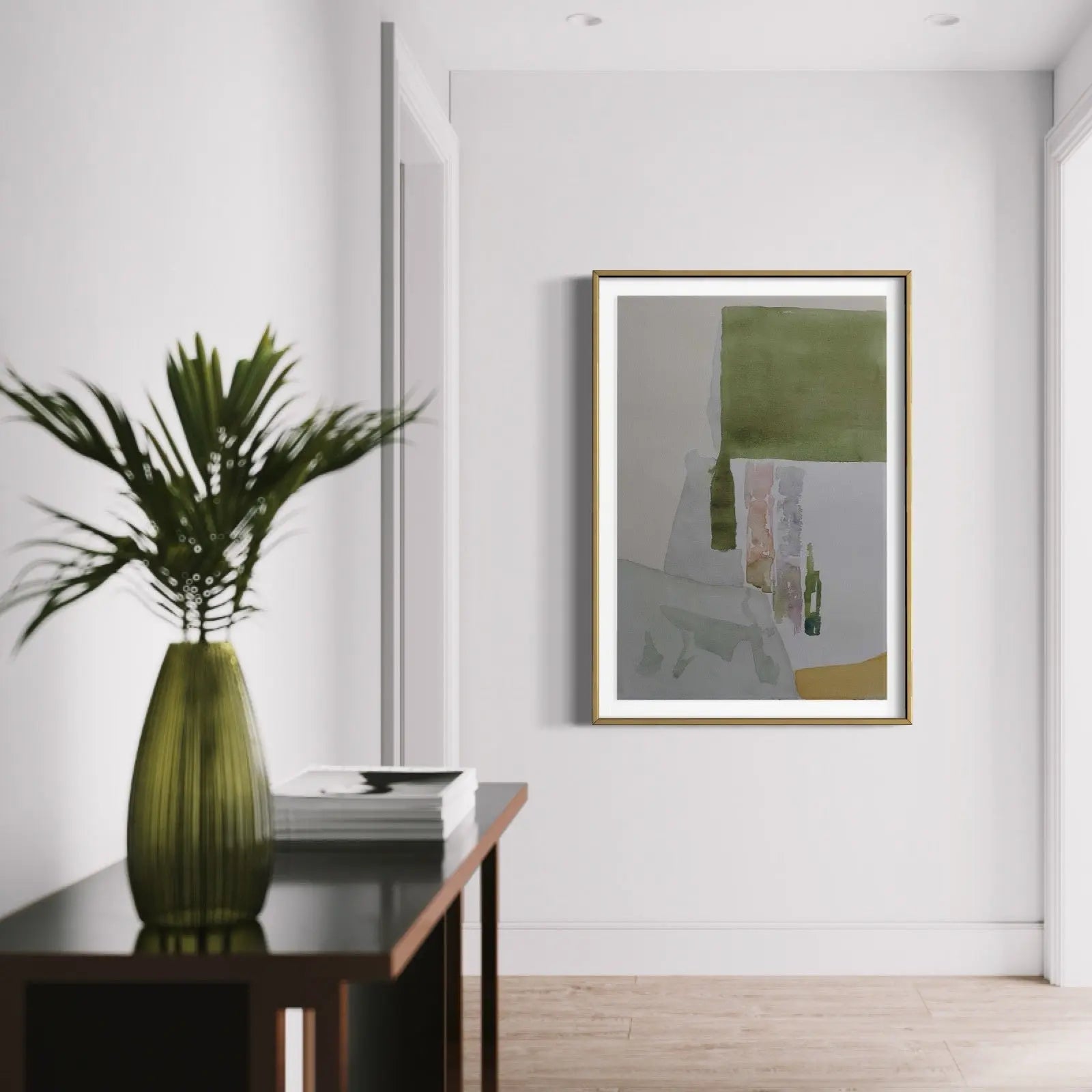
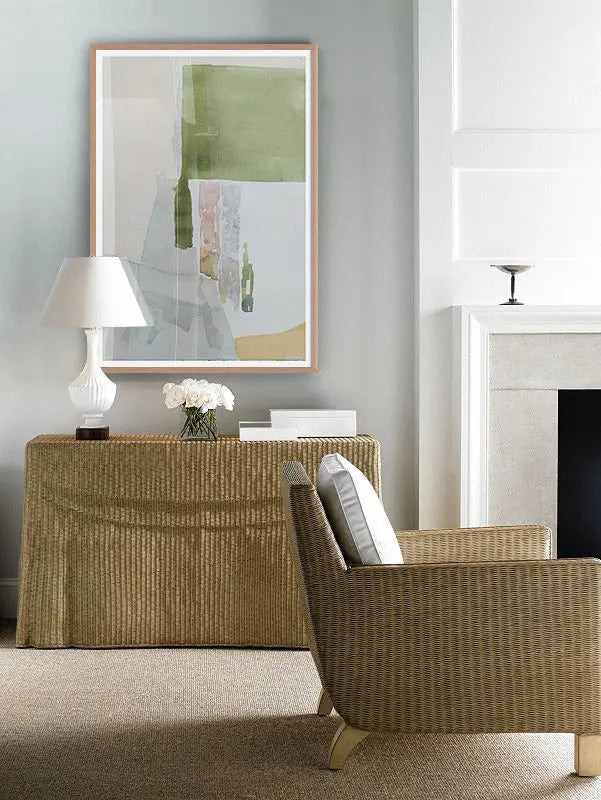
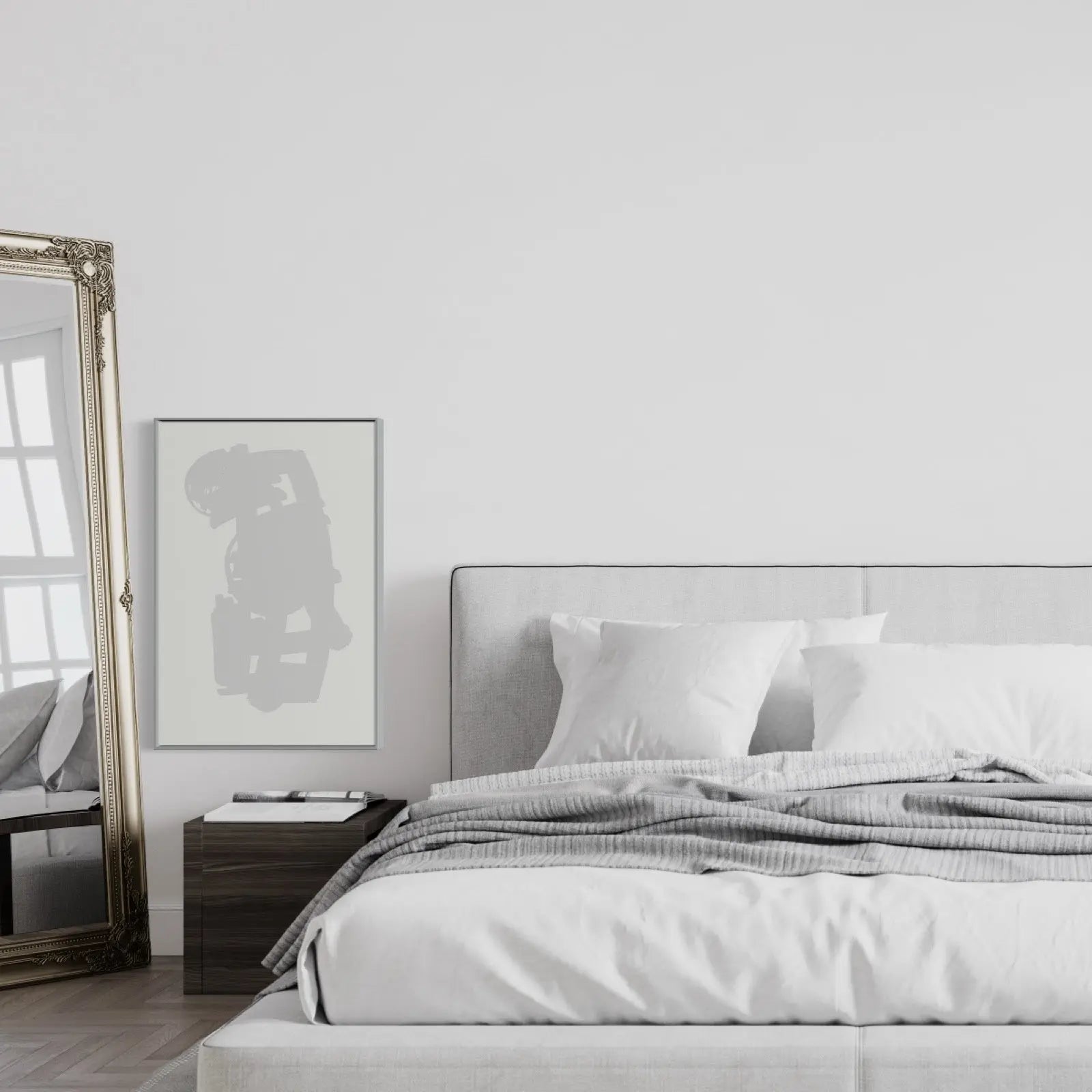
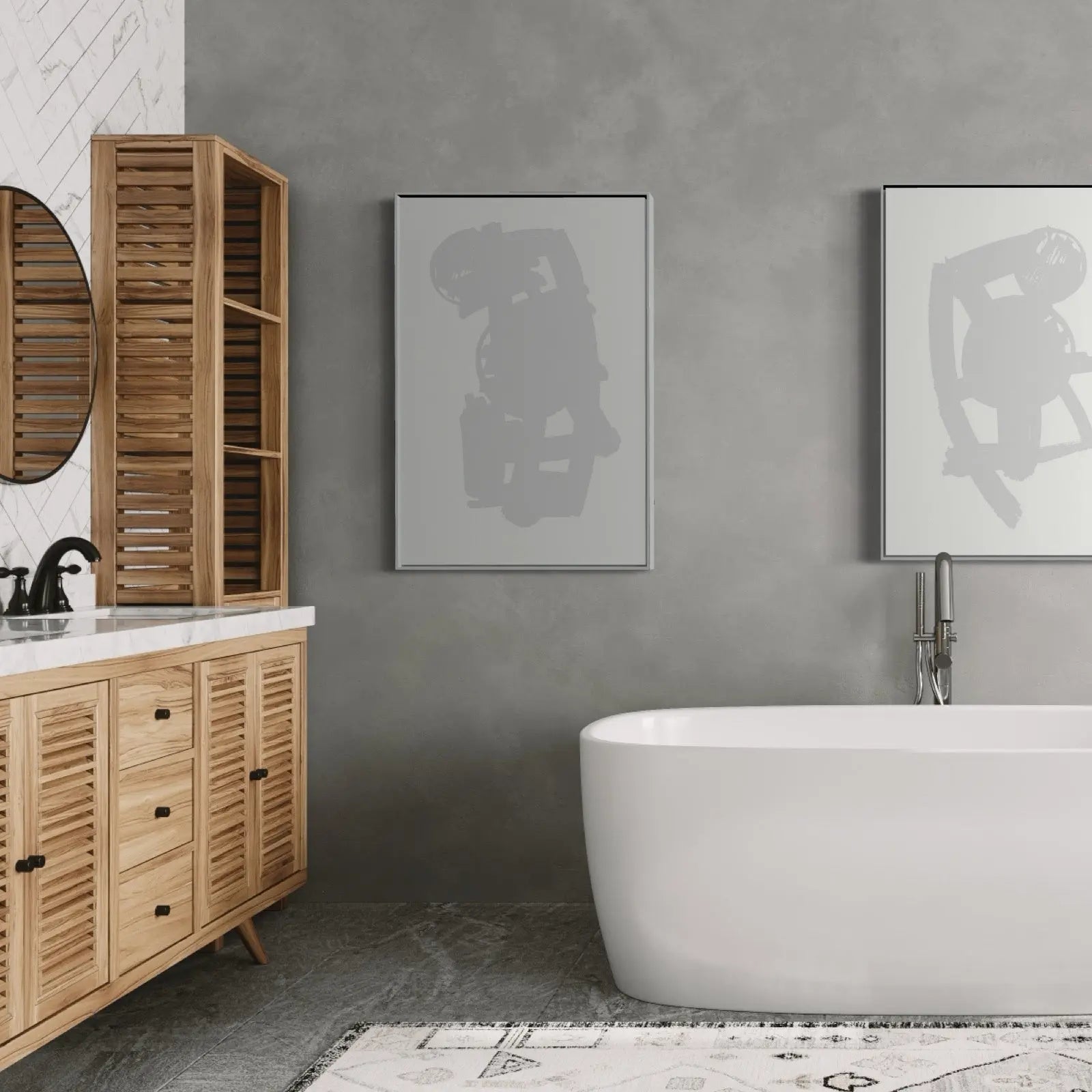
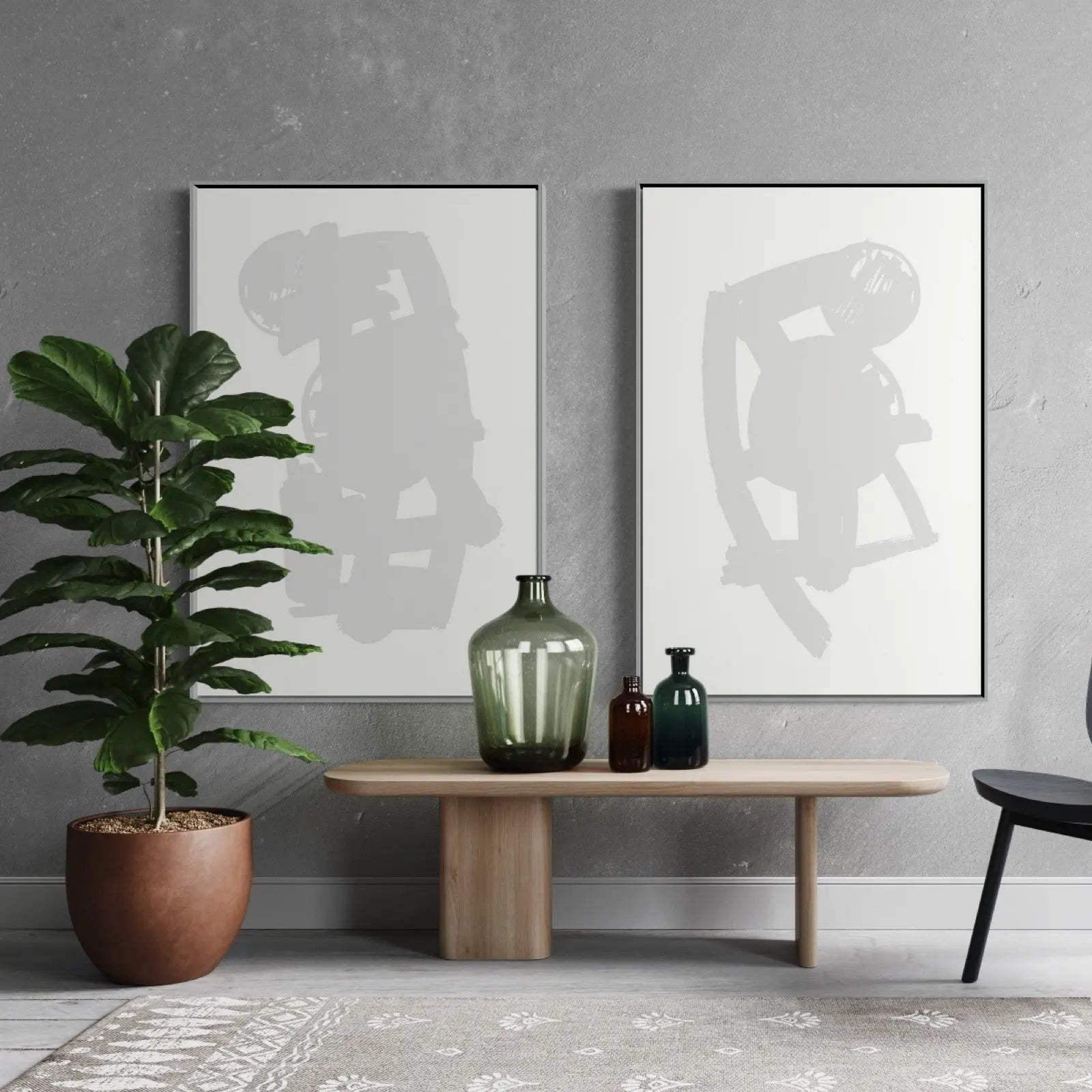
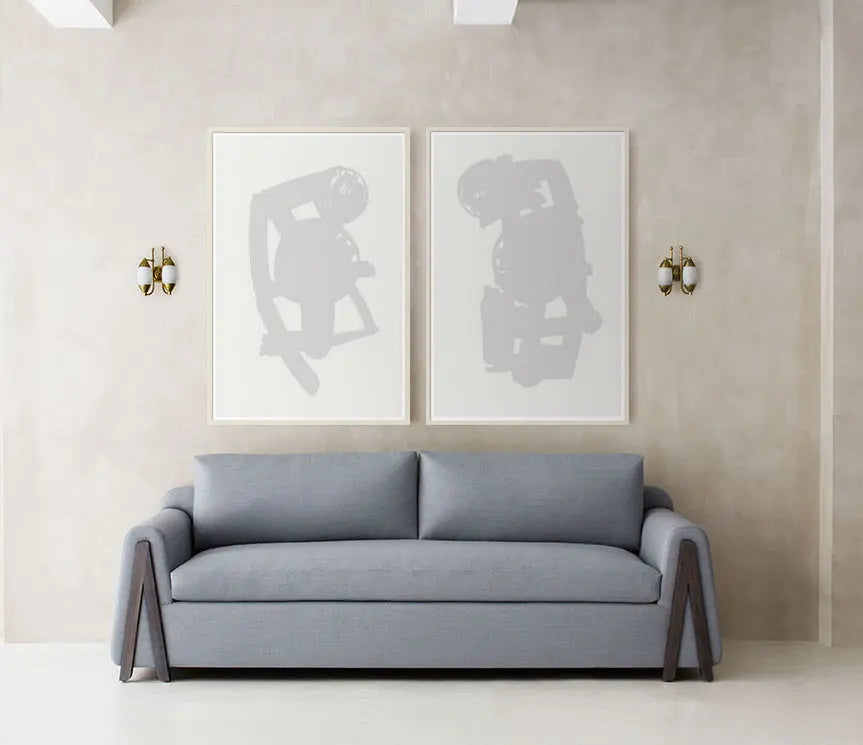
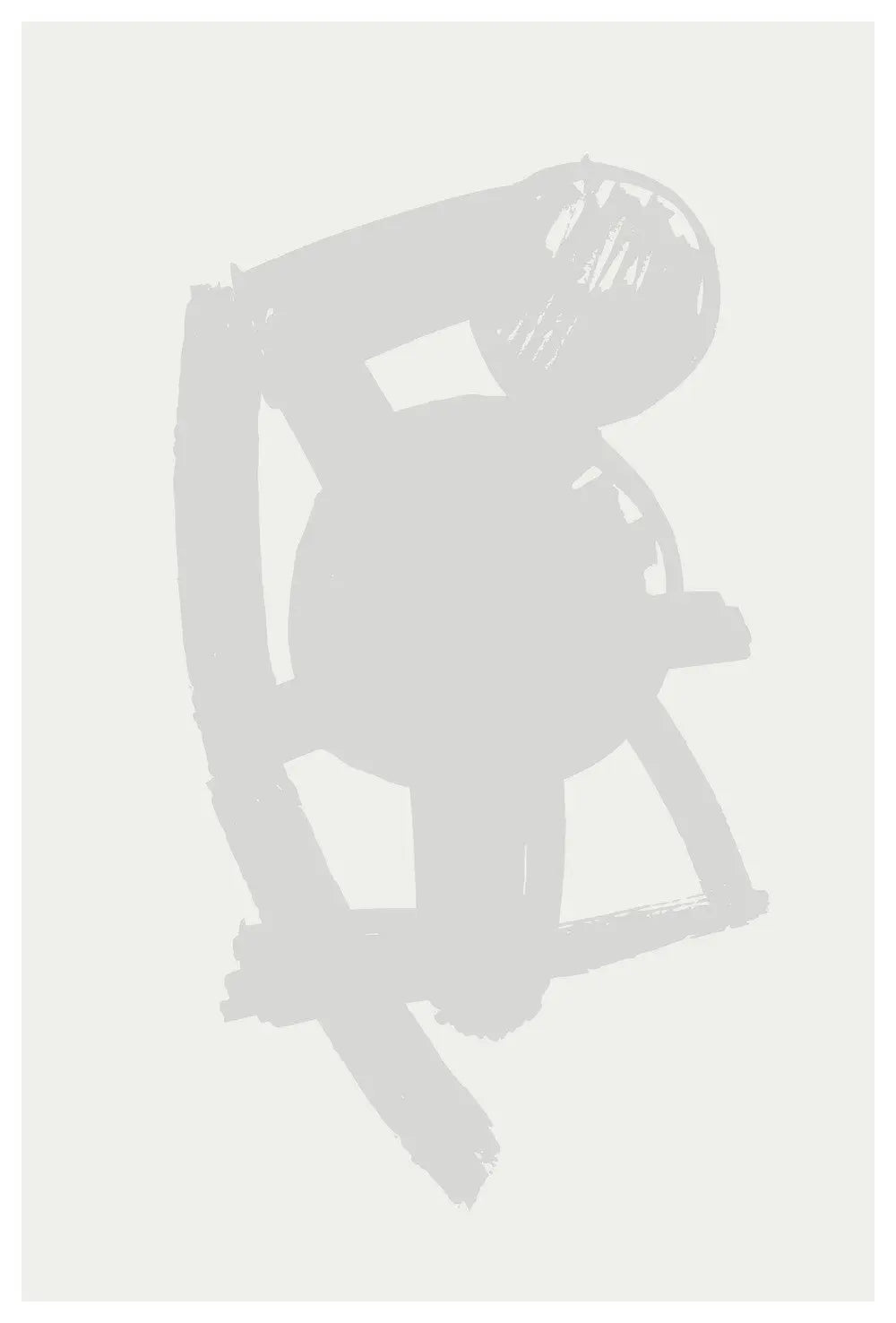
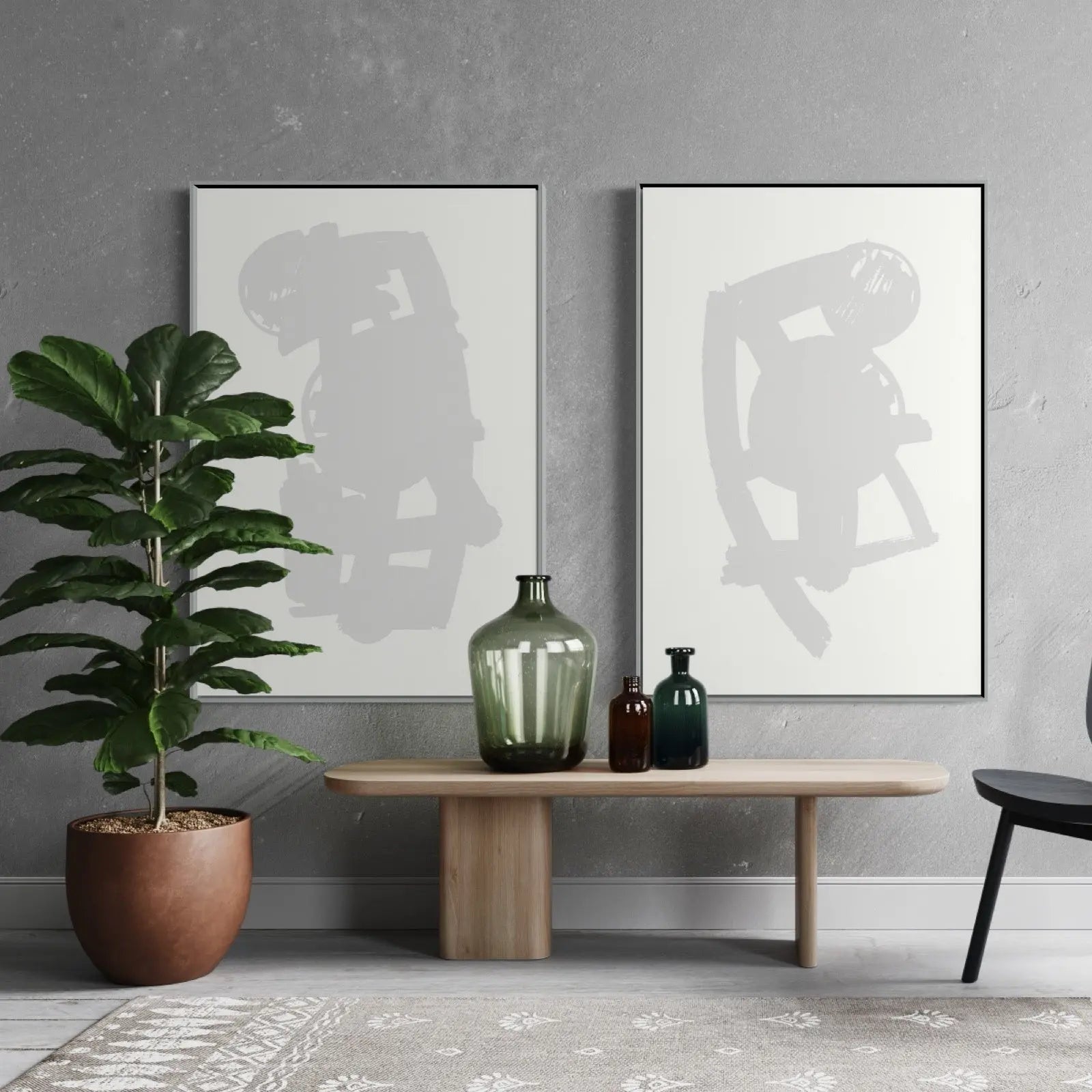
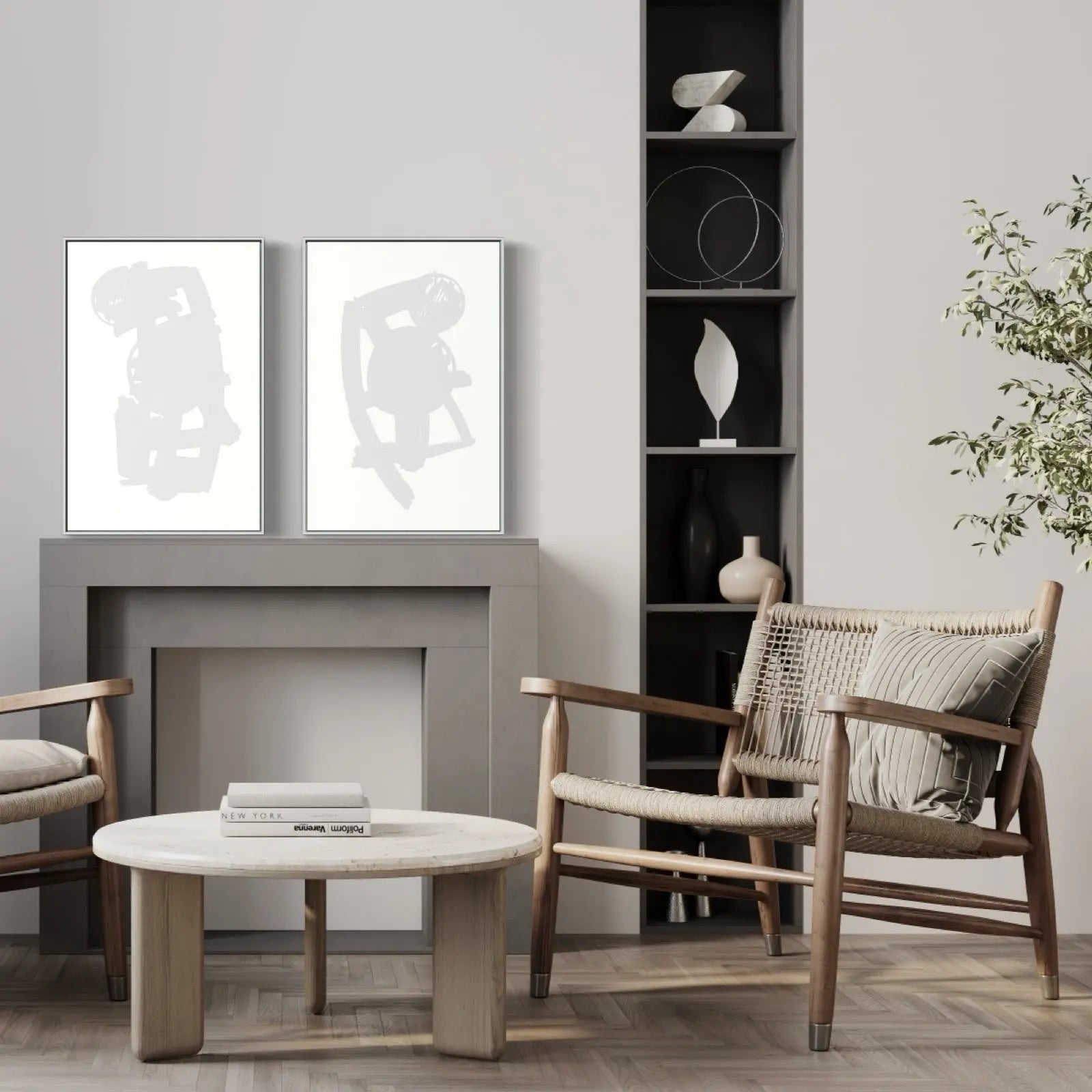
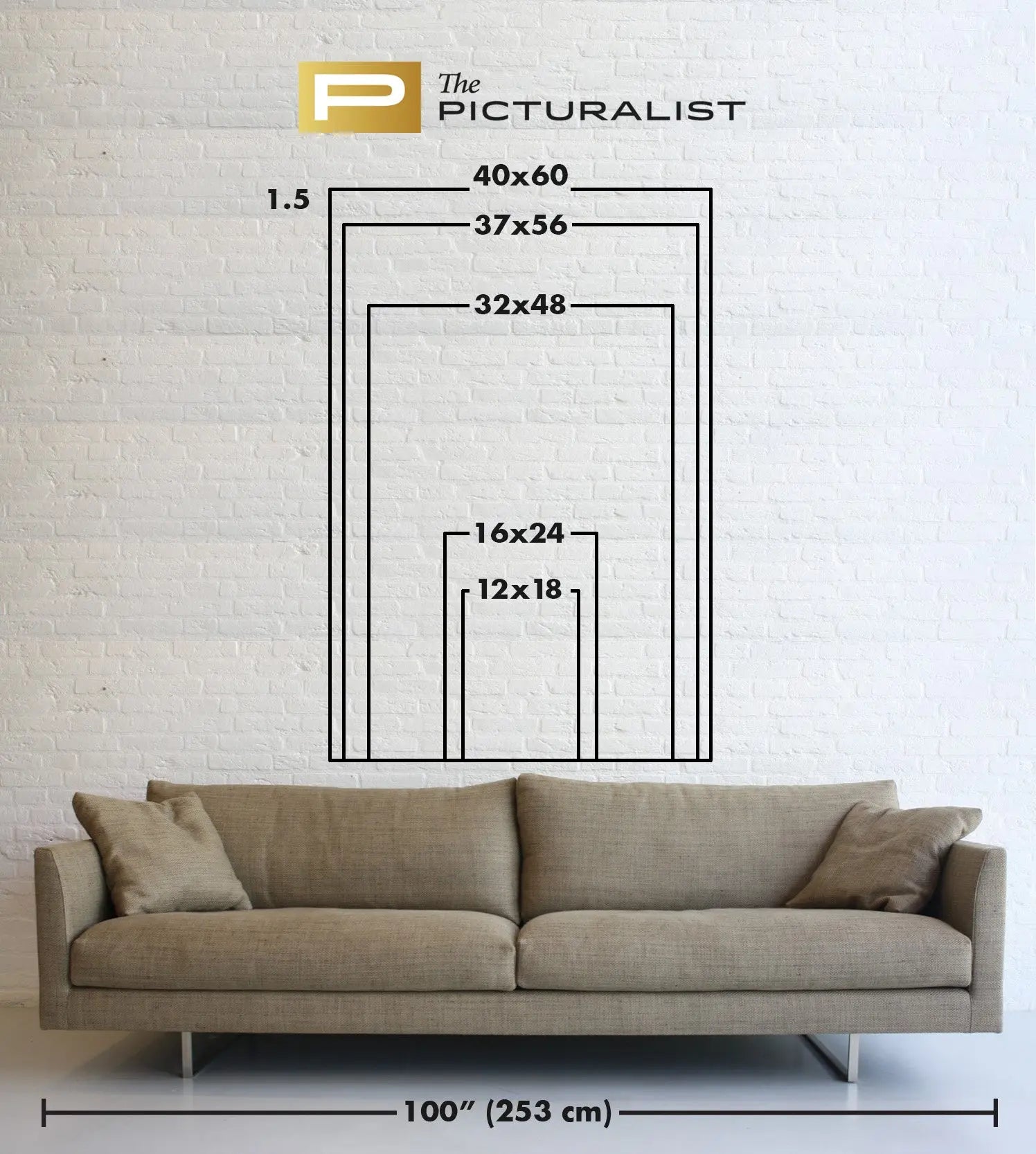
Floated Open Edition Print — sometimes called a shadowbox presentation — is The Picturalist's signature paper format. The print is mounted on a backing panel and positioned inside the frame with a visible gap between the paper edge and the frame profile, typically ¼" recessed. This gap creates a subtle three-dimensional effect: the print appears to float within the frame, casting a fine shadow along its edges that gives it the visual independence and physical presence of an original artwork rather than a reproduction. The floated presentation is available in all standard and custom sizes, with matte black, natural oak, antique gold, and dark walnut frame profiles. It is the most requested presentation in our trade program and the format that most consistently earns the response "is that an original?" from clients seeing it in person for the first time. Marie Adeline's geometric compositions, Rodrigo Martín's color blocks, and Tal Paz-Fridman's wave photography are among the works that gain the most from the shadowbox treatment — the gap creates breathing room that lets the composition settle and assert itself without the frame competing for attention.
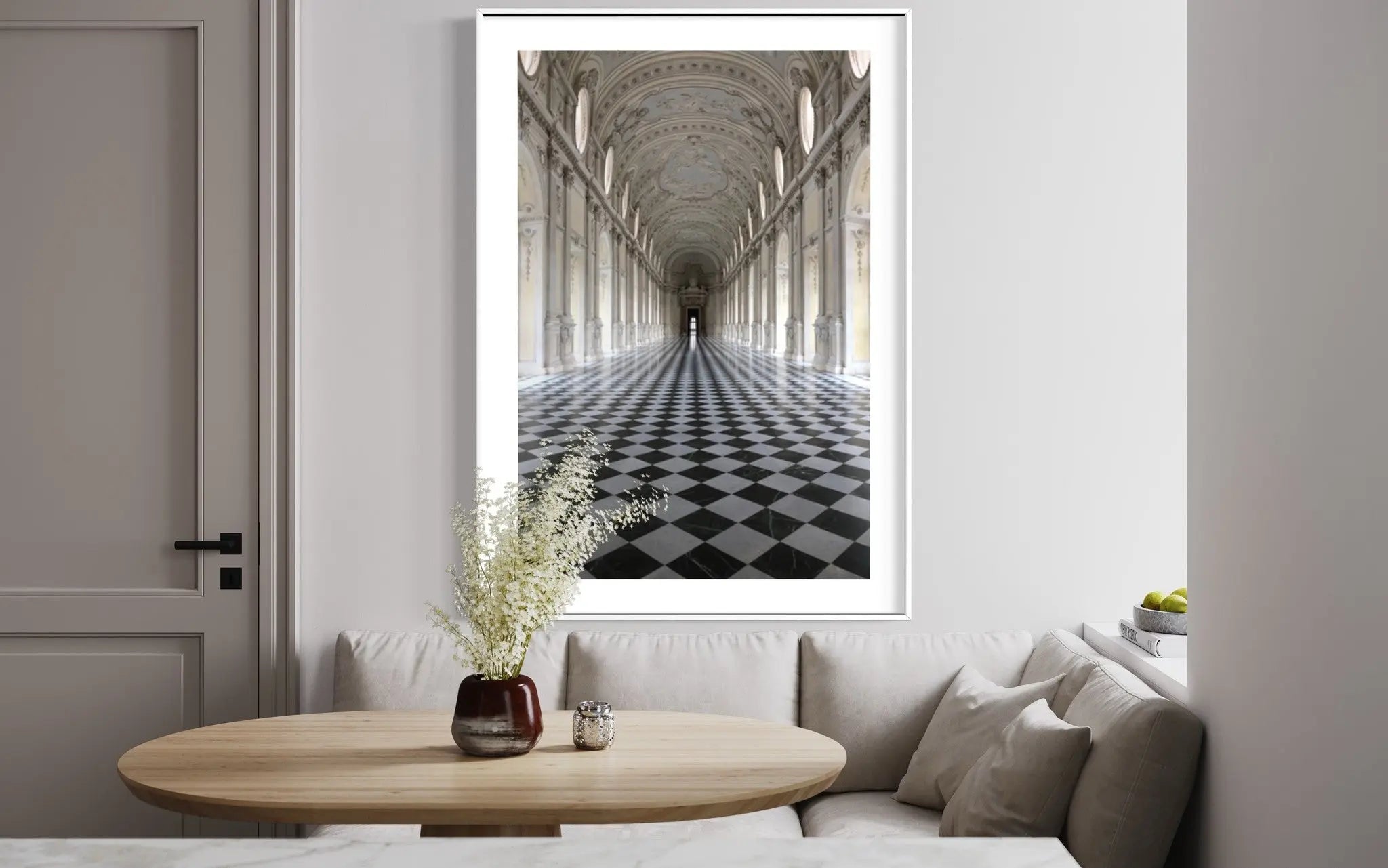
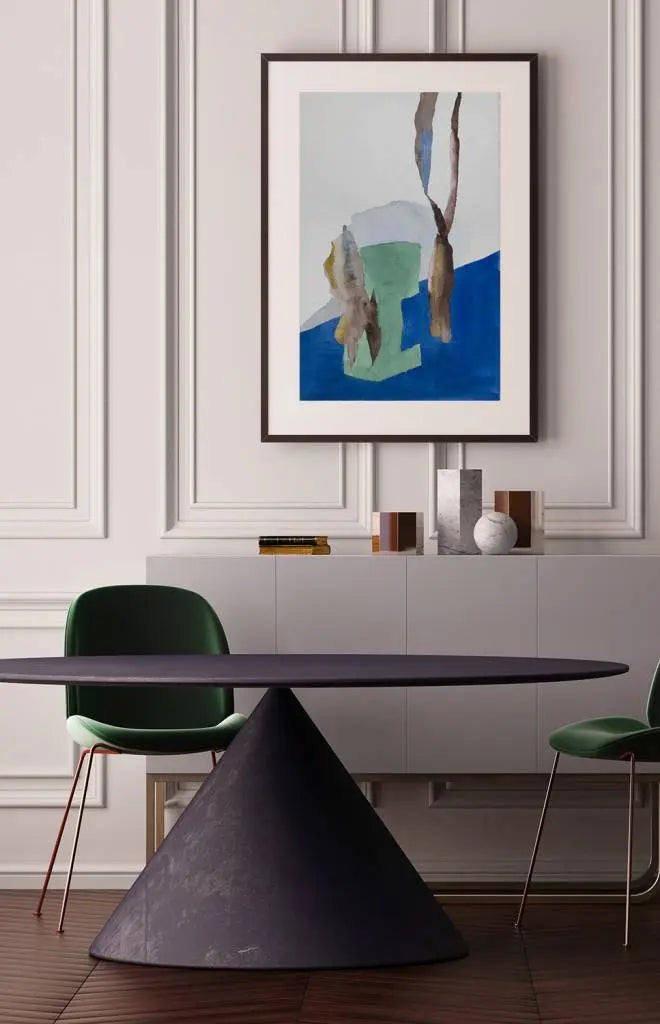
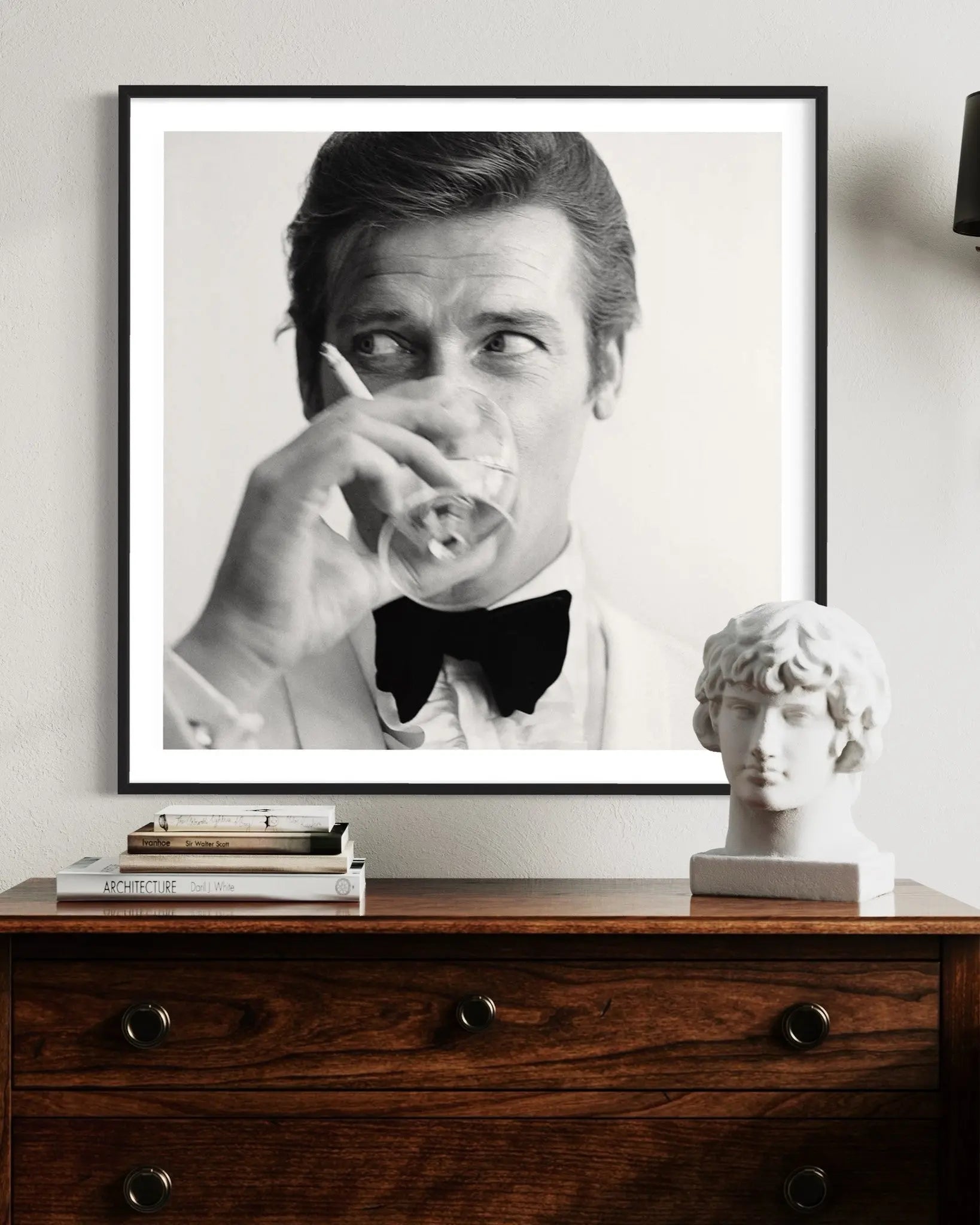
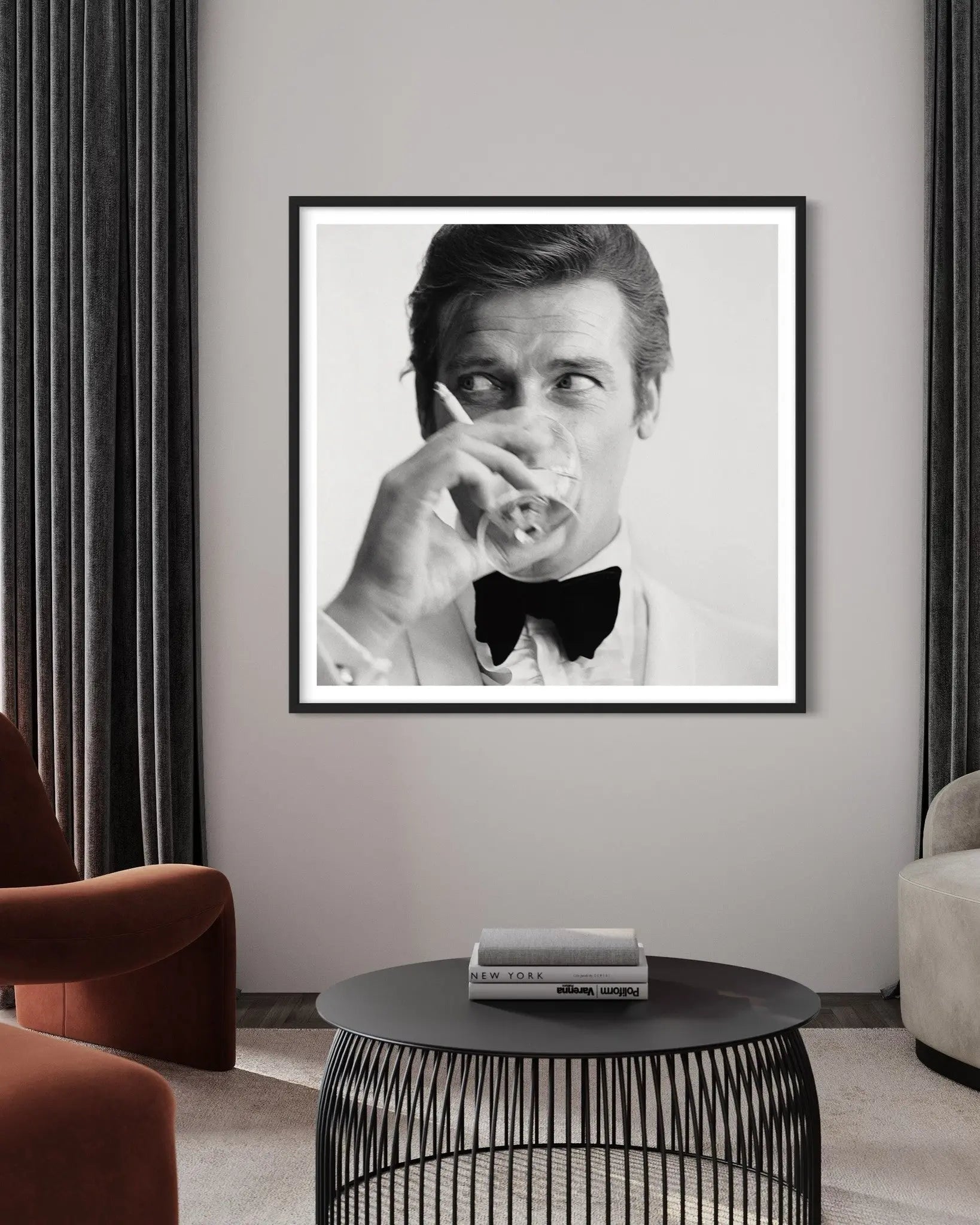
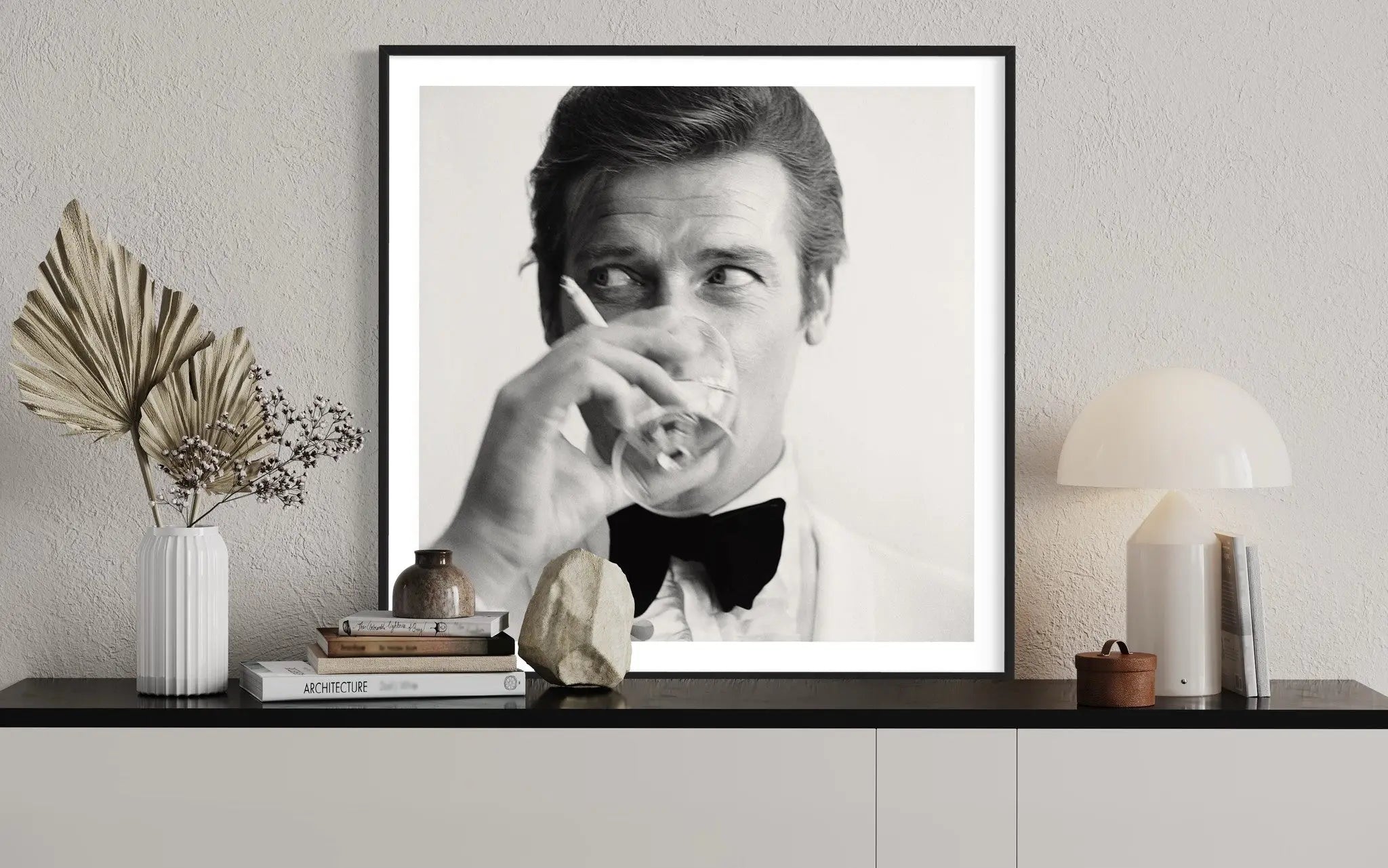
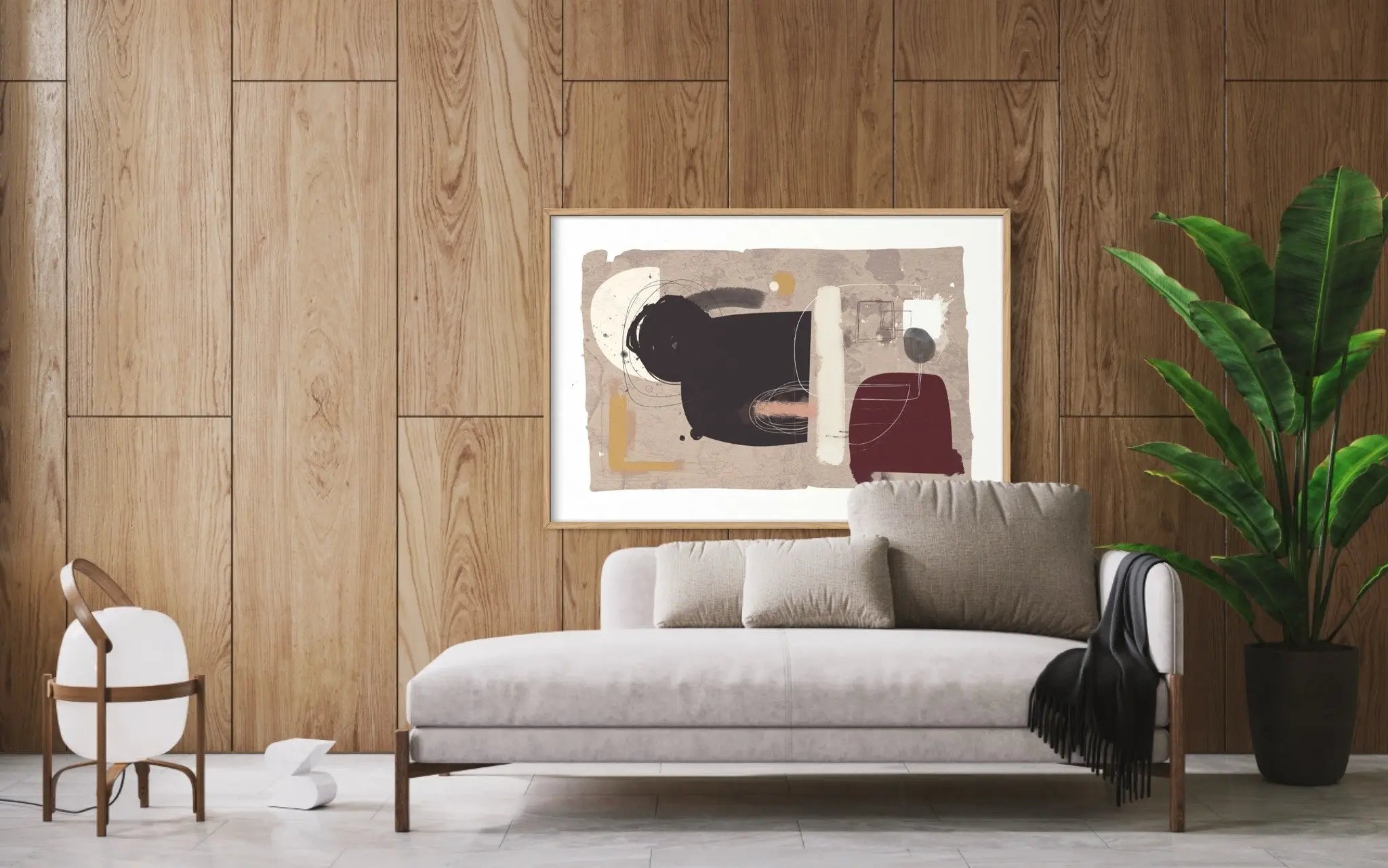
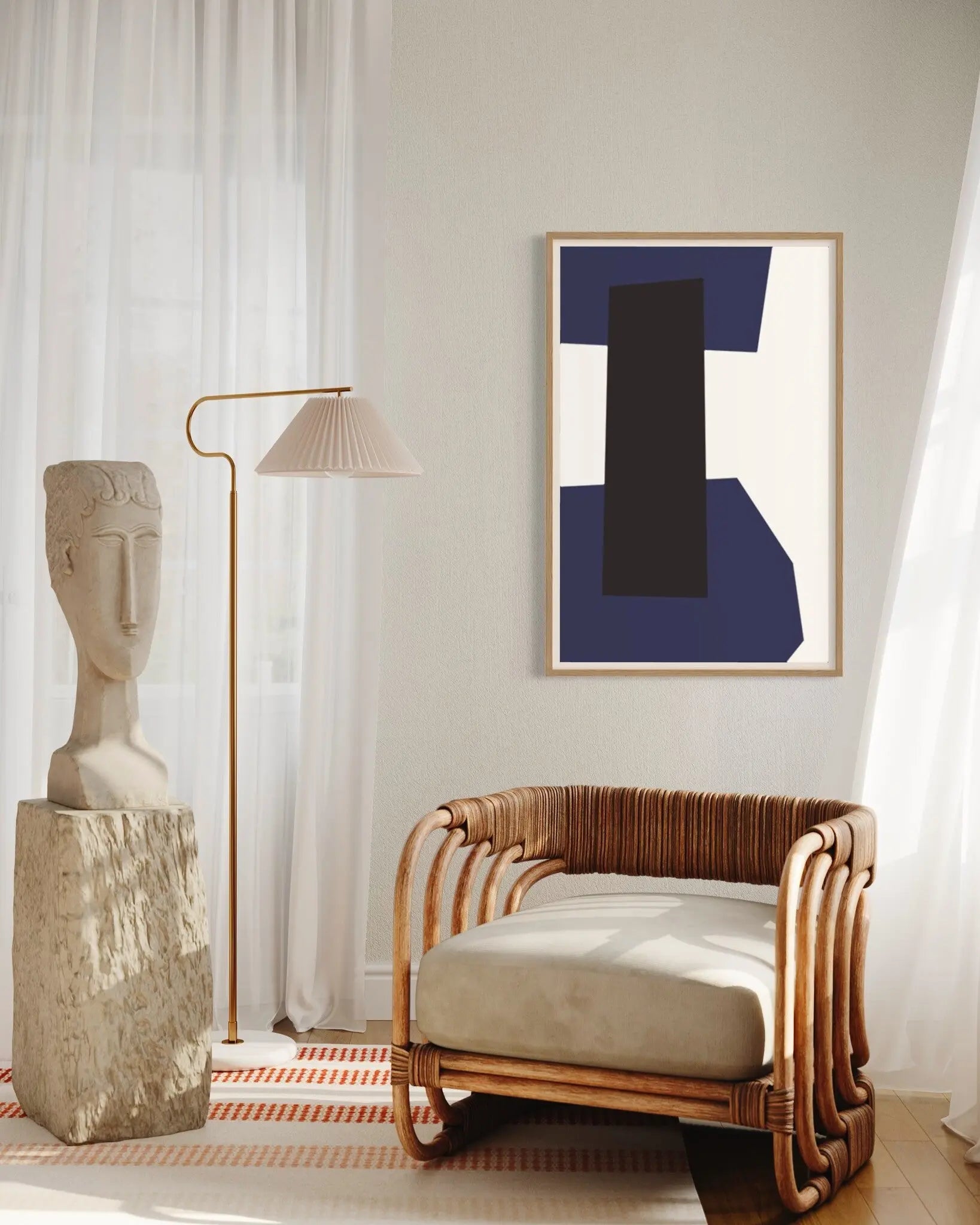
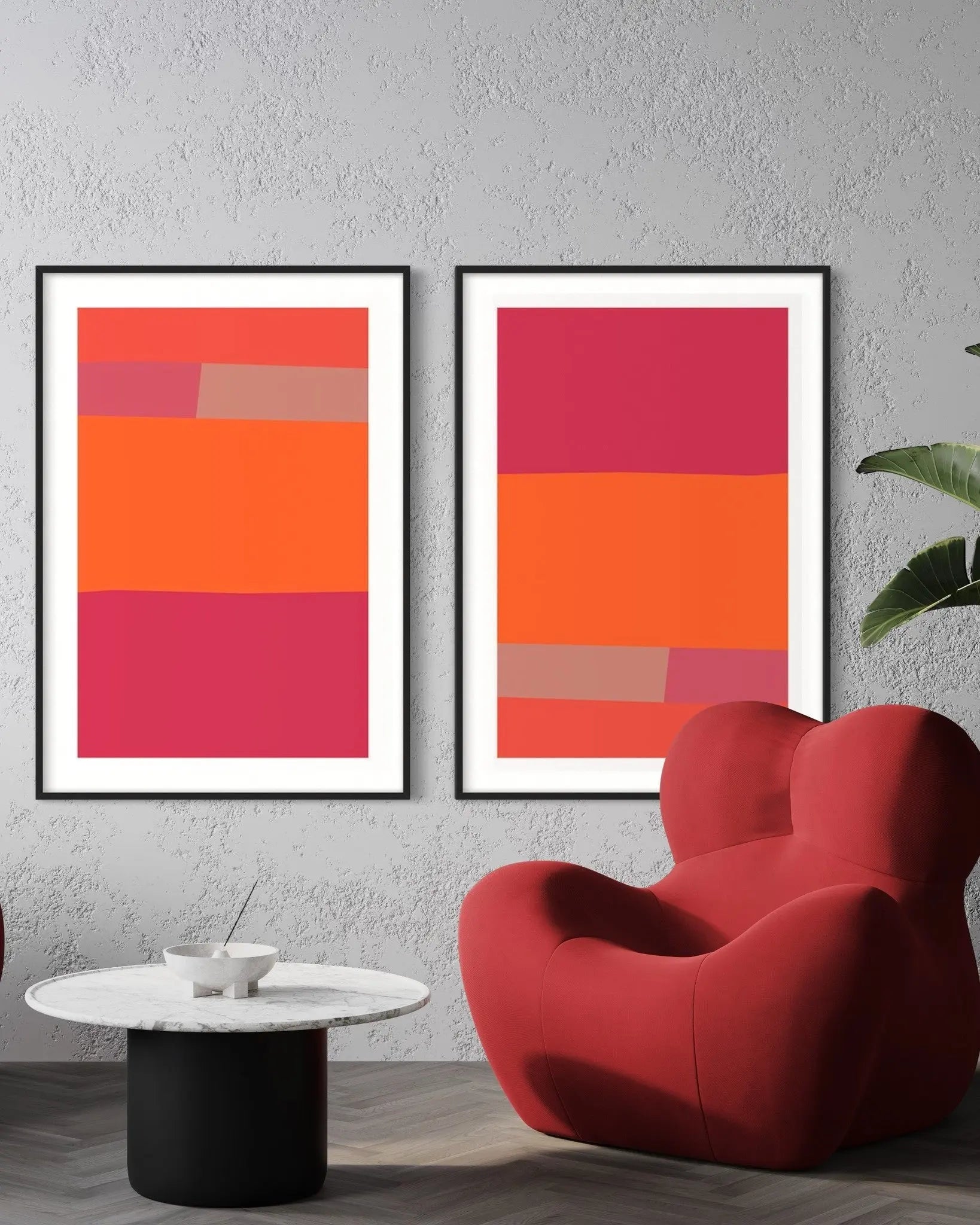
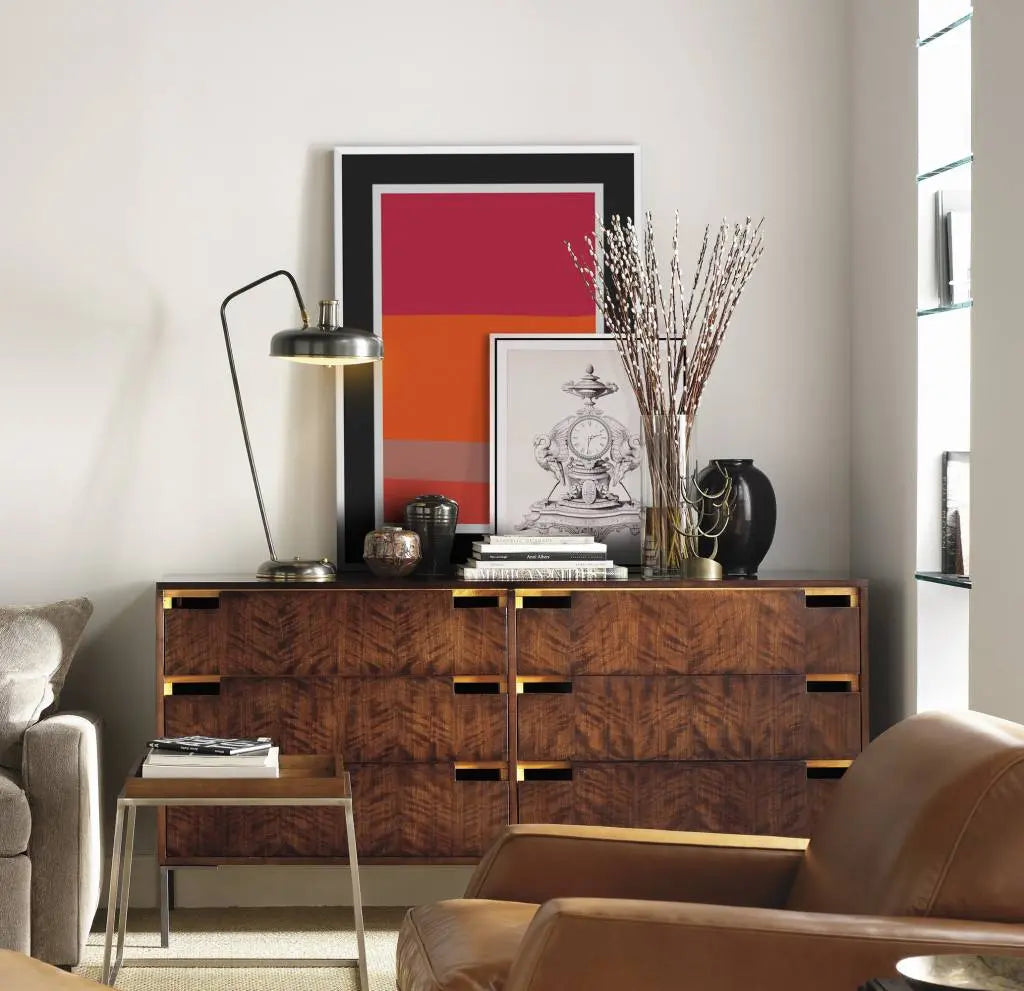
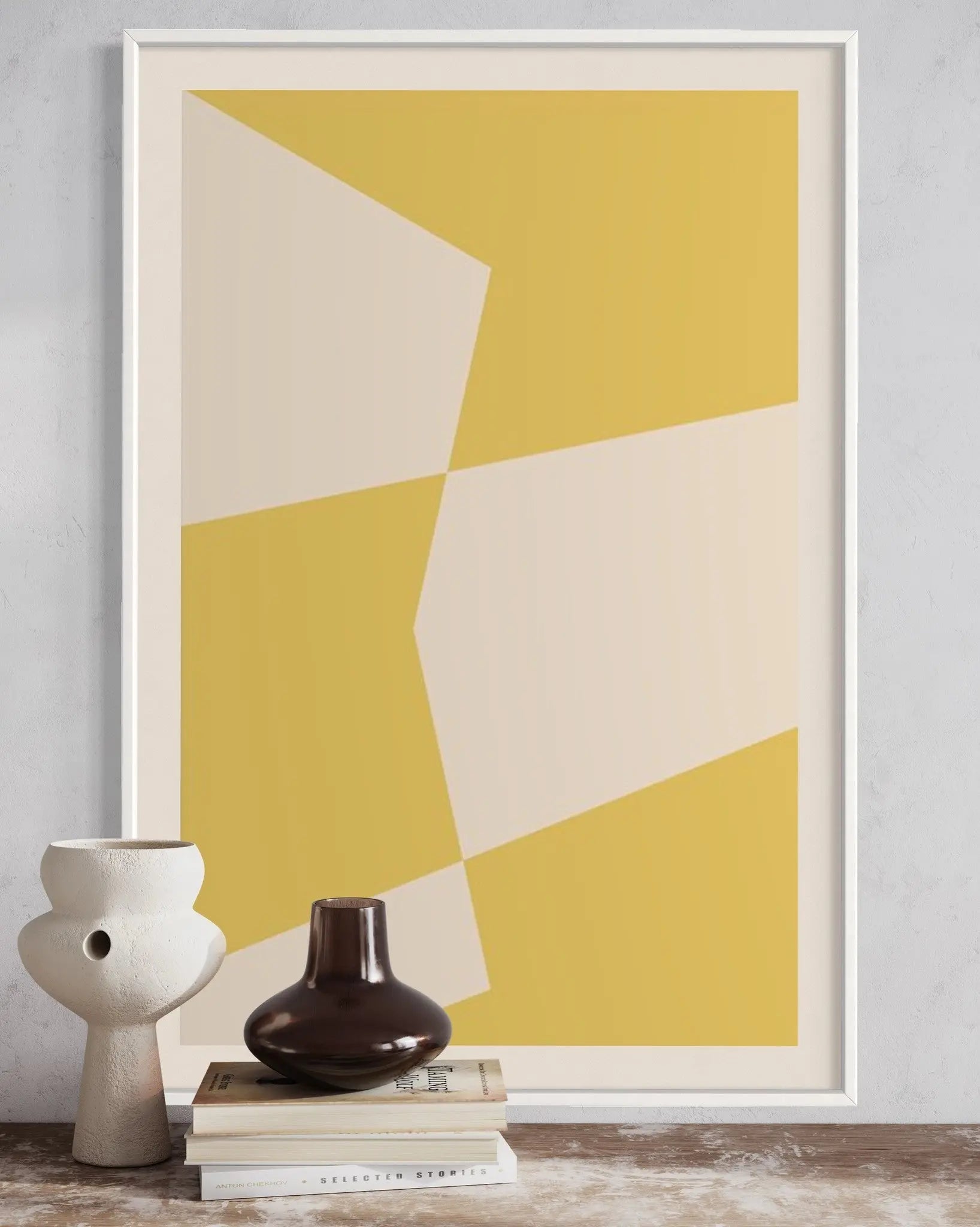
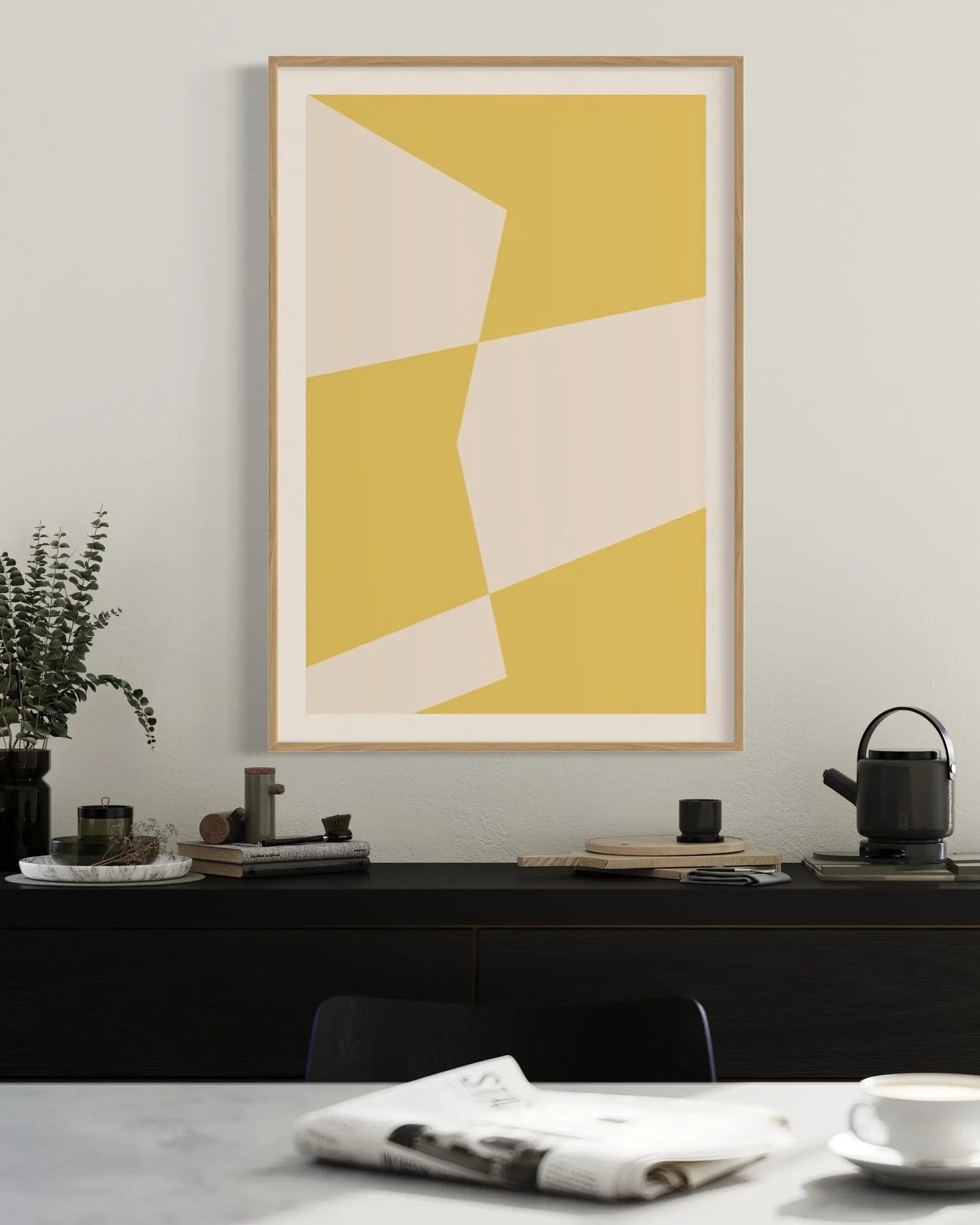
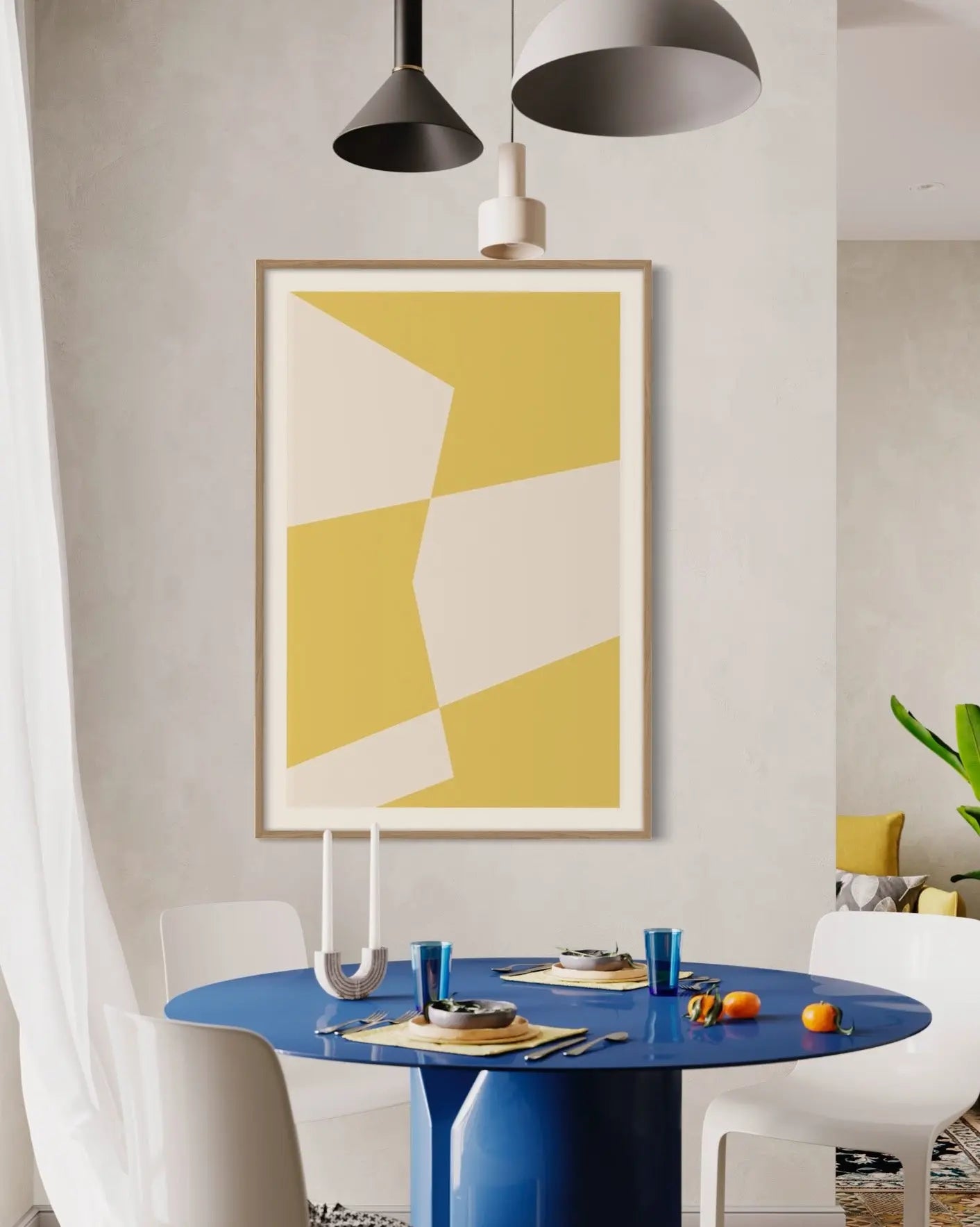
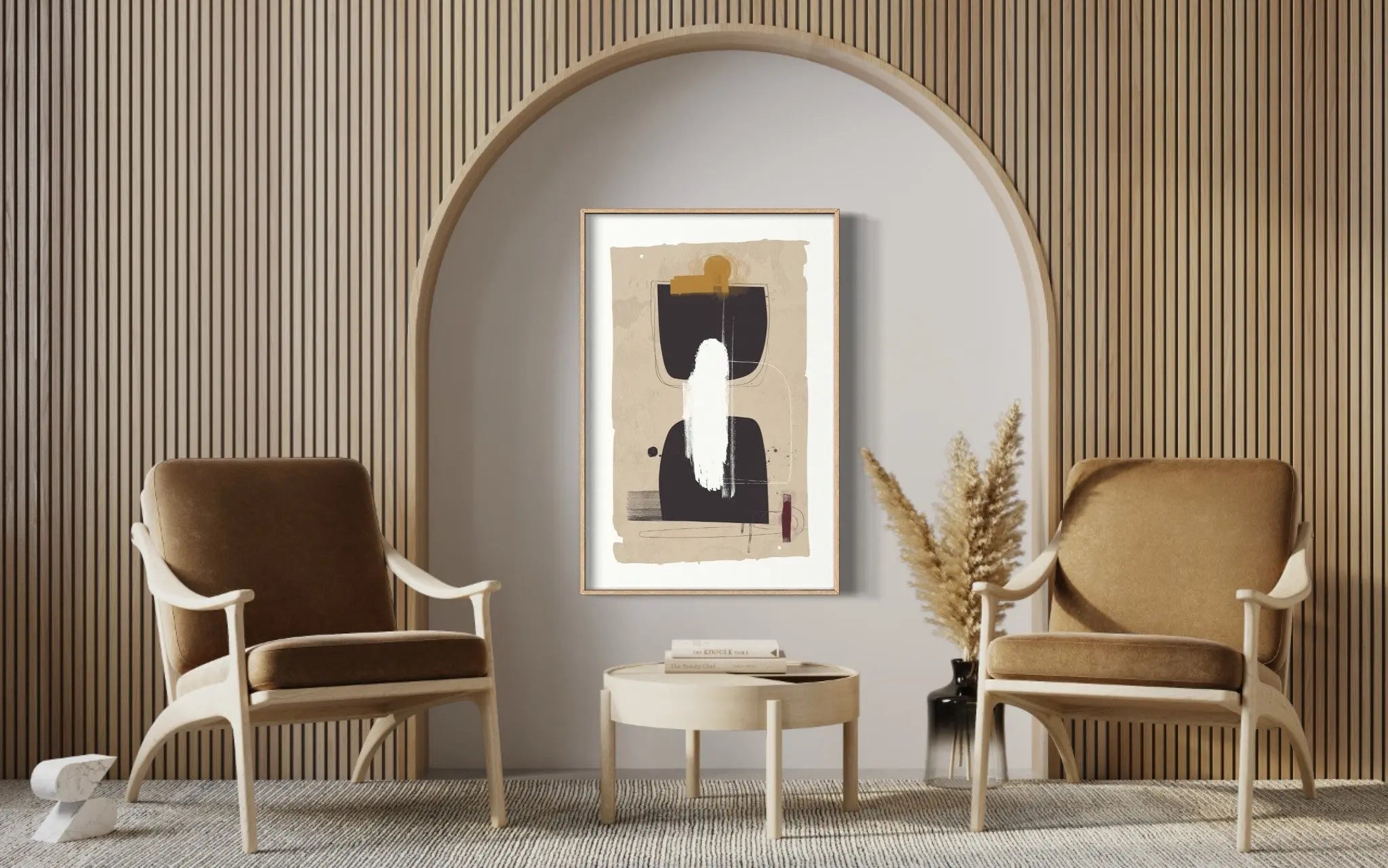
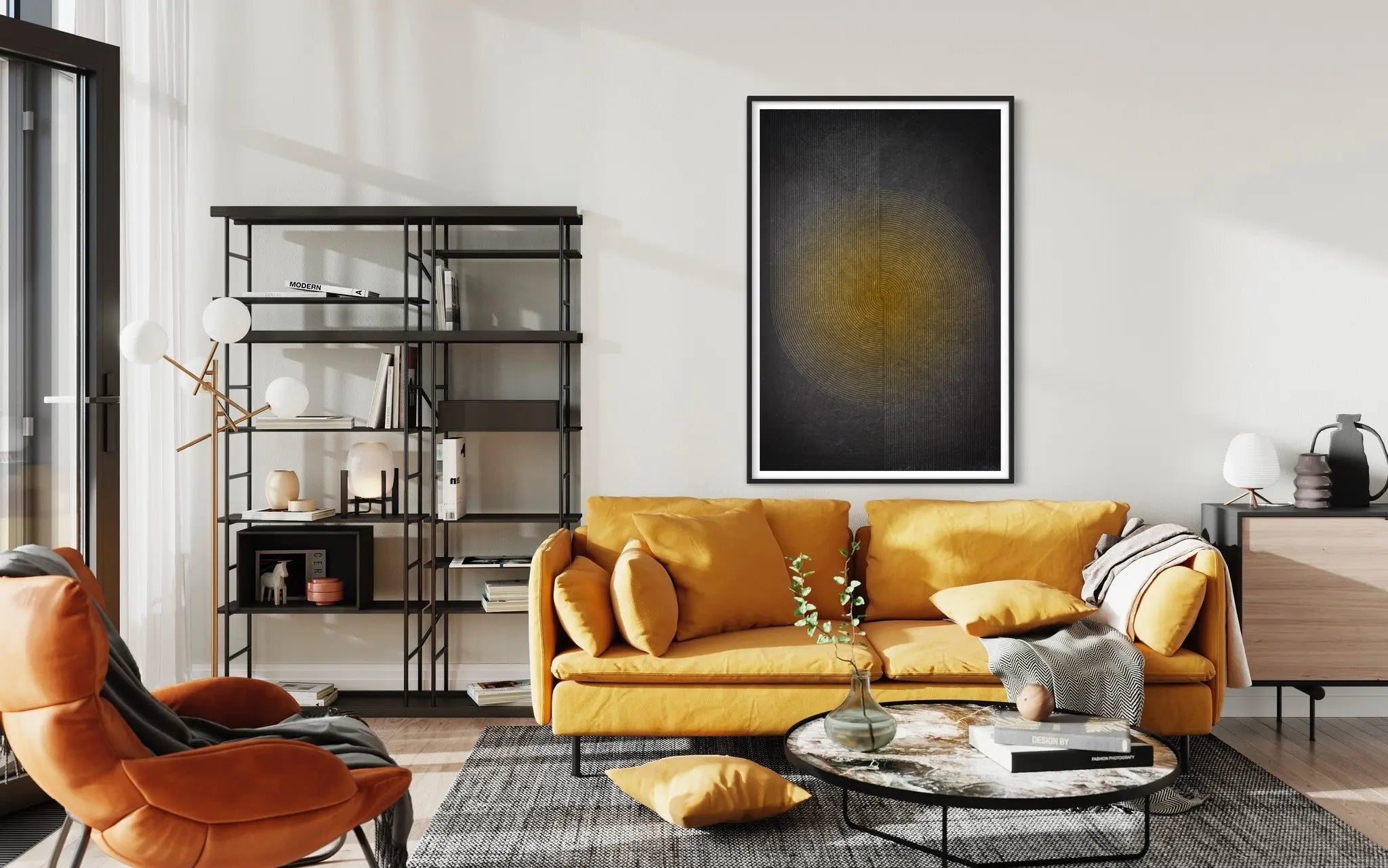
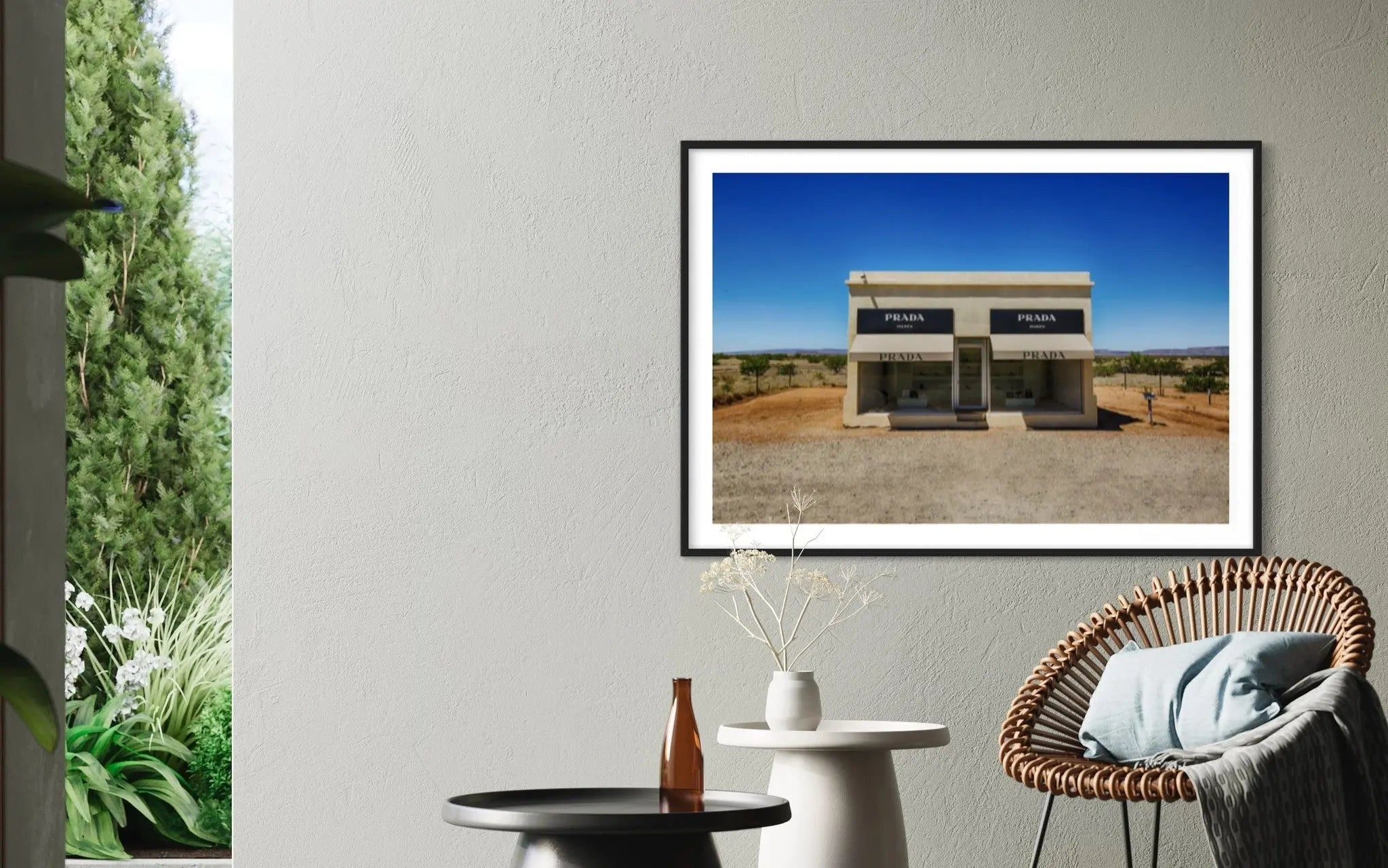
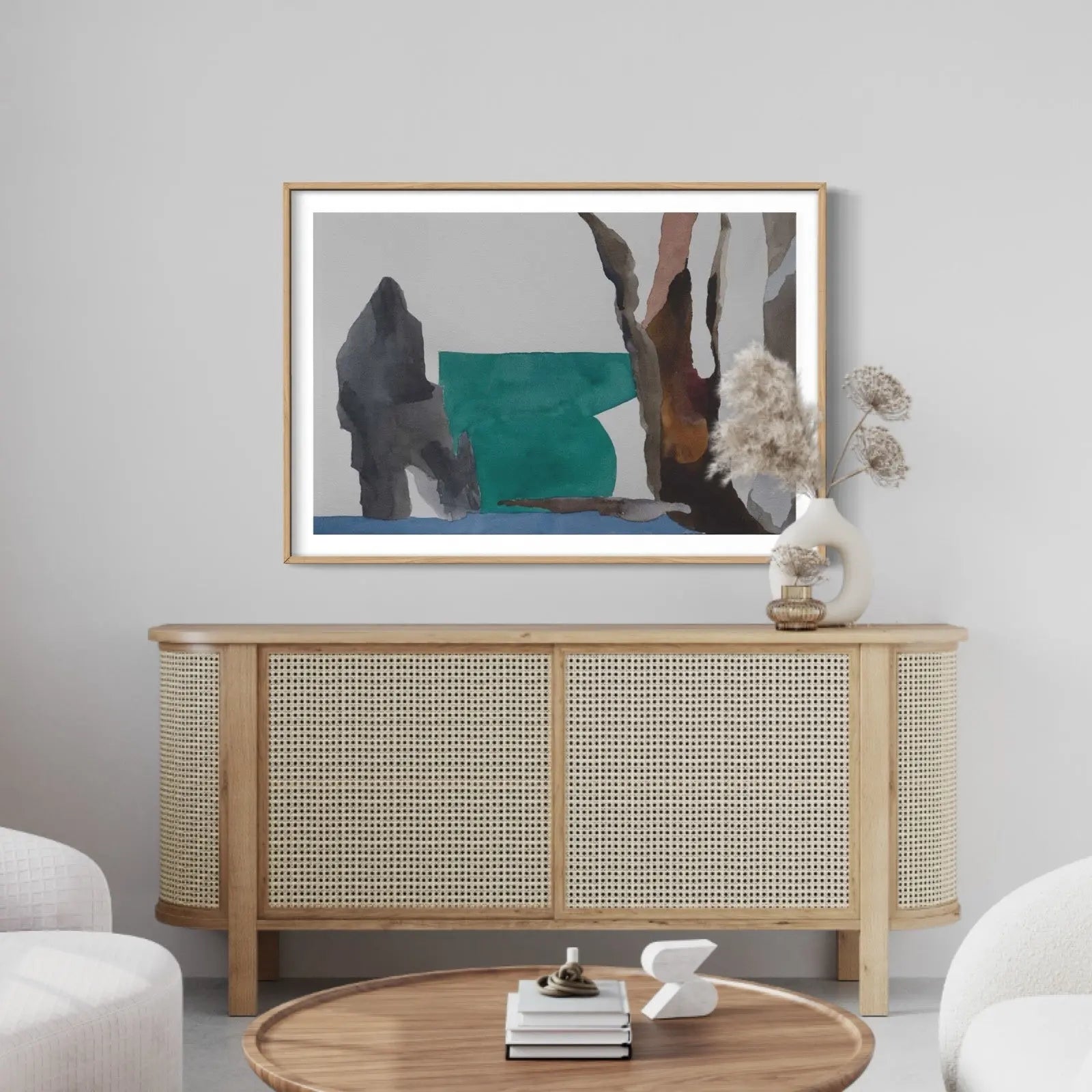
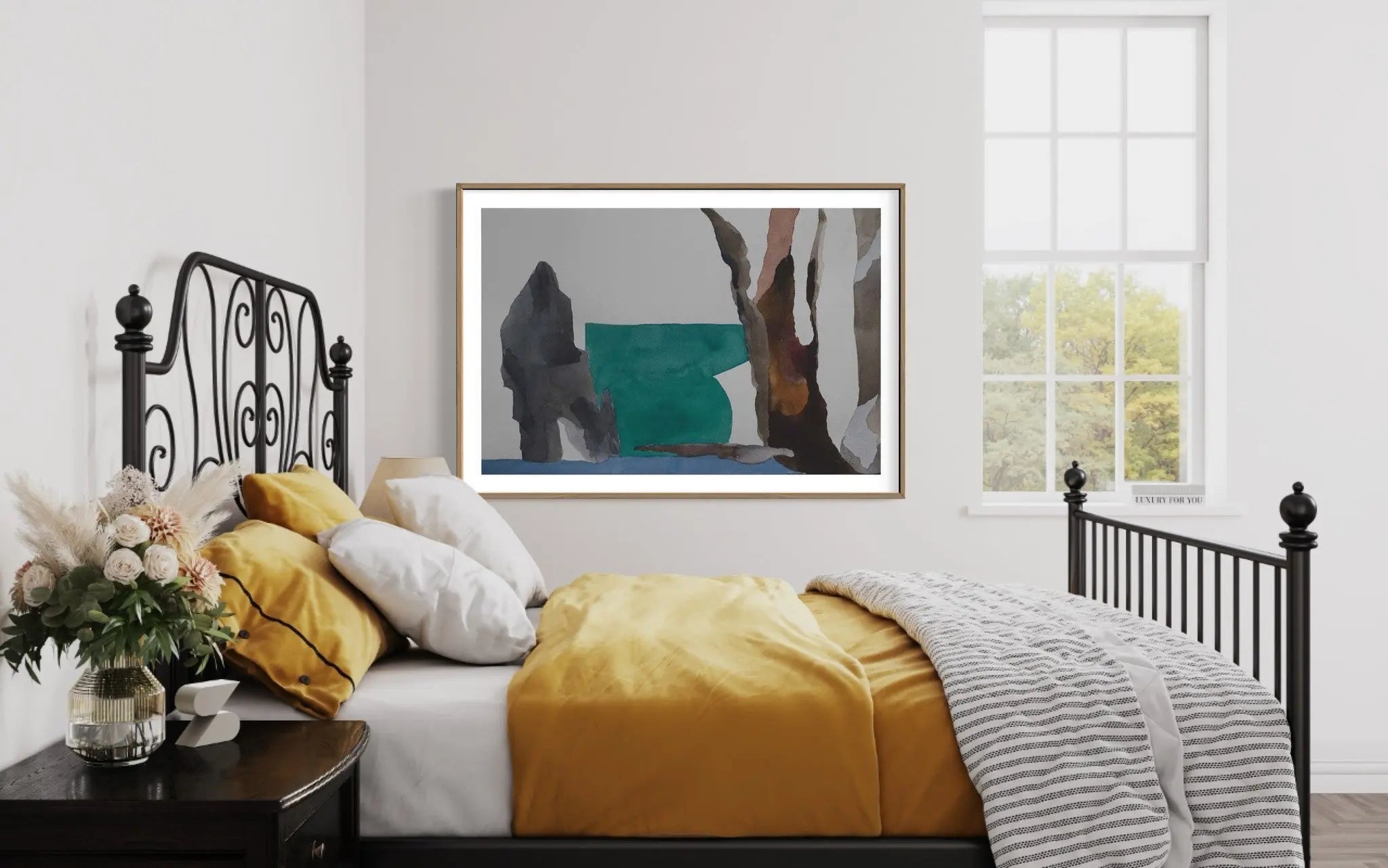
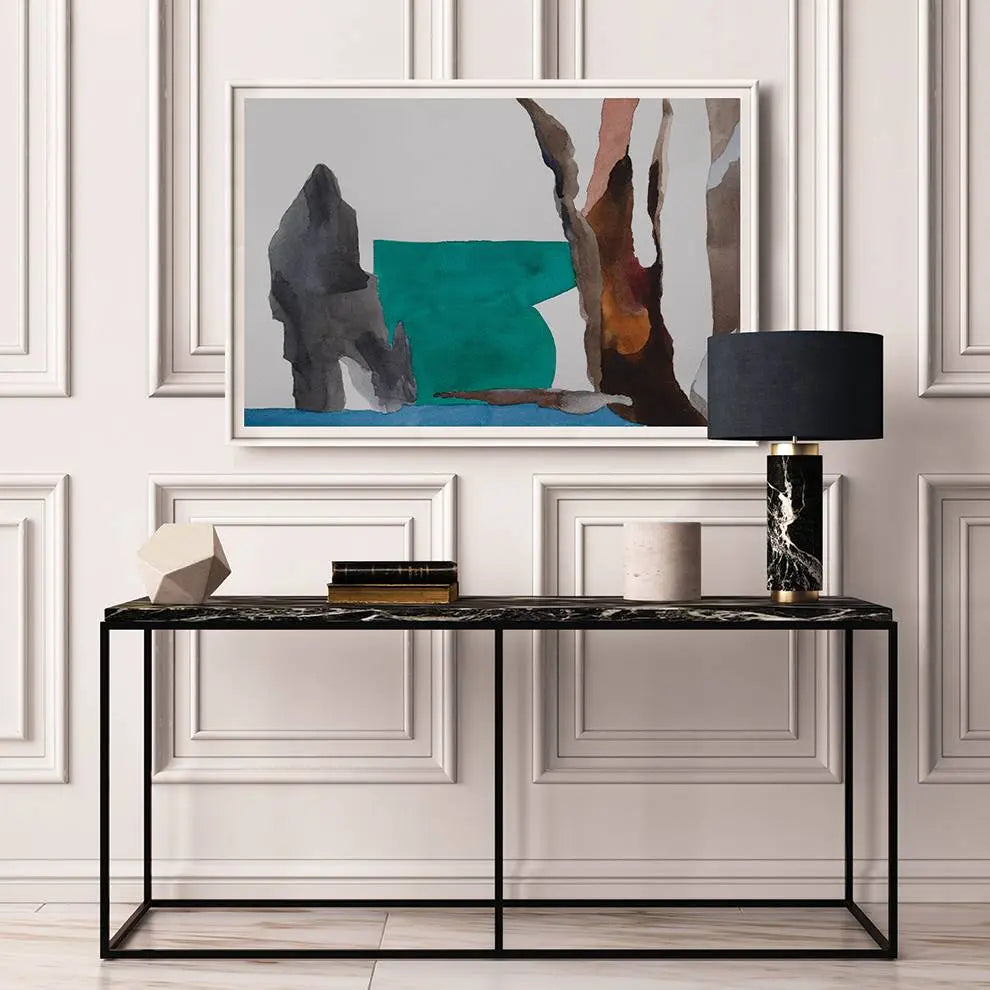
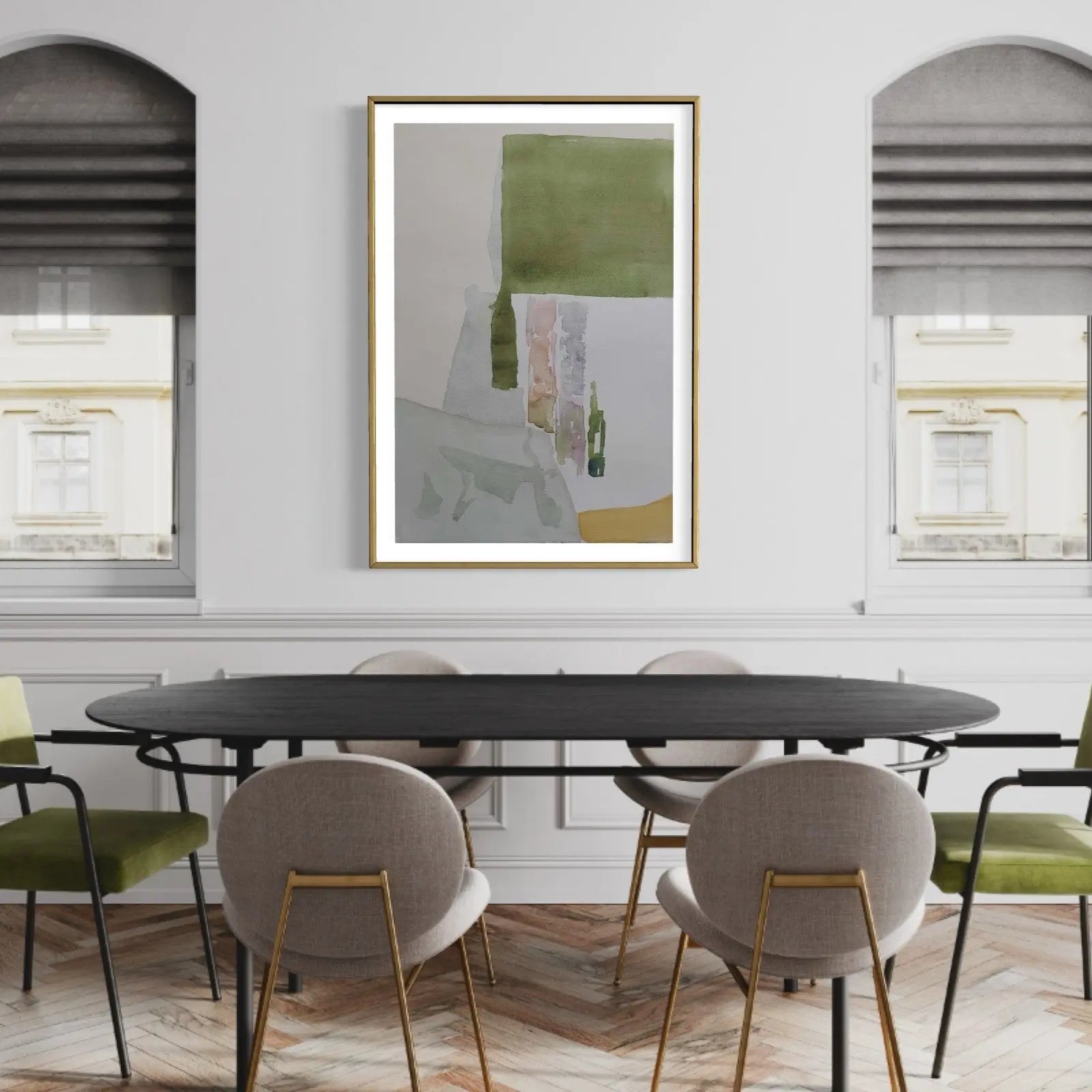
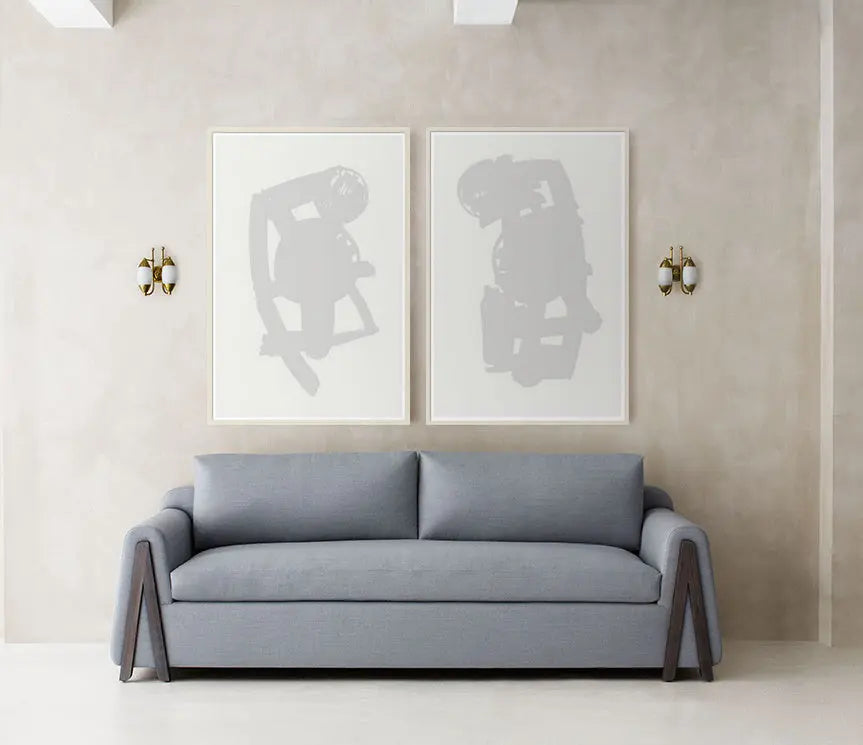
Matted Print positions the paper print behind an acid-free mat board — a cut window that reveals the image while providing a measured border of white or off-white between the print edge and the frame profile. Mat boards are available in standard white, warm white, and custom colors matched to specific palette requirements for design projects. The matted presentation suits photography particularly well — Slim Aarons prints, Kevin Dailey sailing compositions, and editorial photography from the Getty Images Gallery archive all benefit from the classic museum-presentation logic of a mat board, which signals fine art context and creates visual separation between the image and the wall. Standard mat widths are 2" to 4", with wider mats available for oversized frames where the image benefits from additional surrounding space. Matted prints are the most traditional fine art presentation and the format most familiar to collectors with gallery or museum experience.
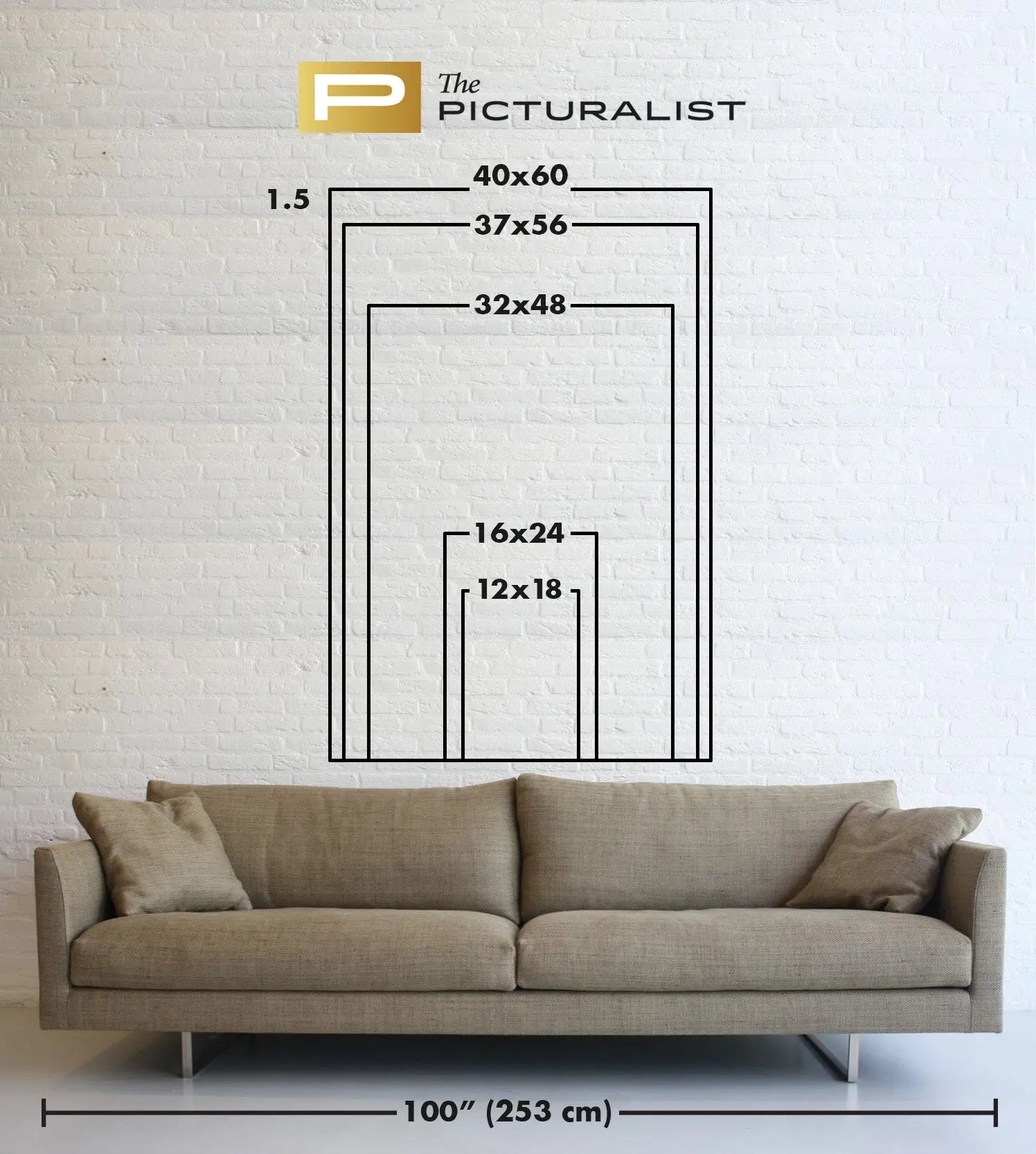
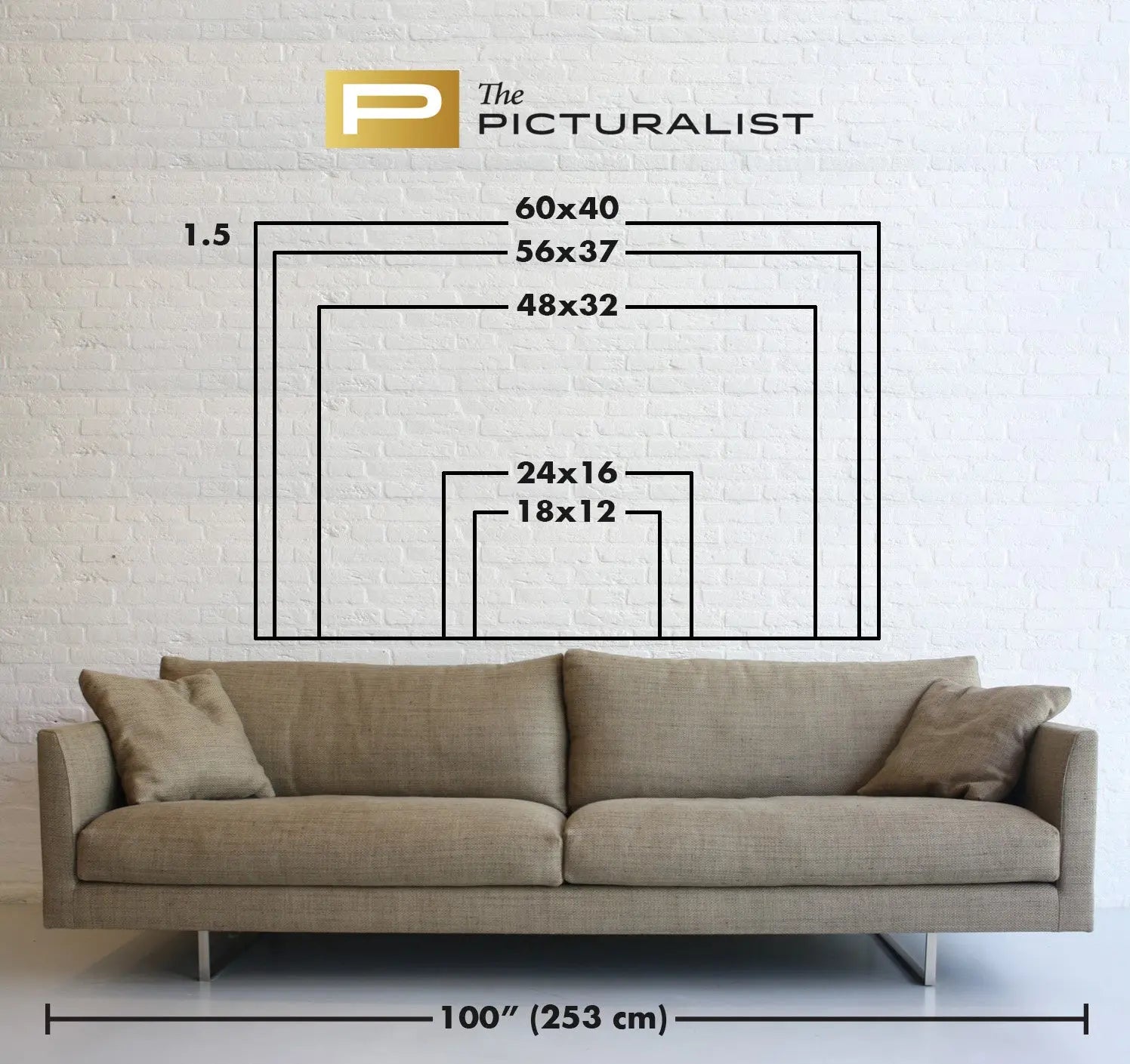
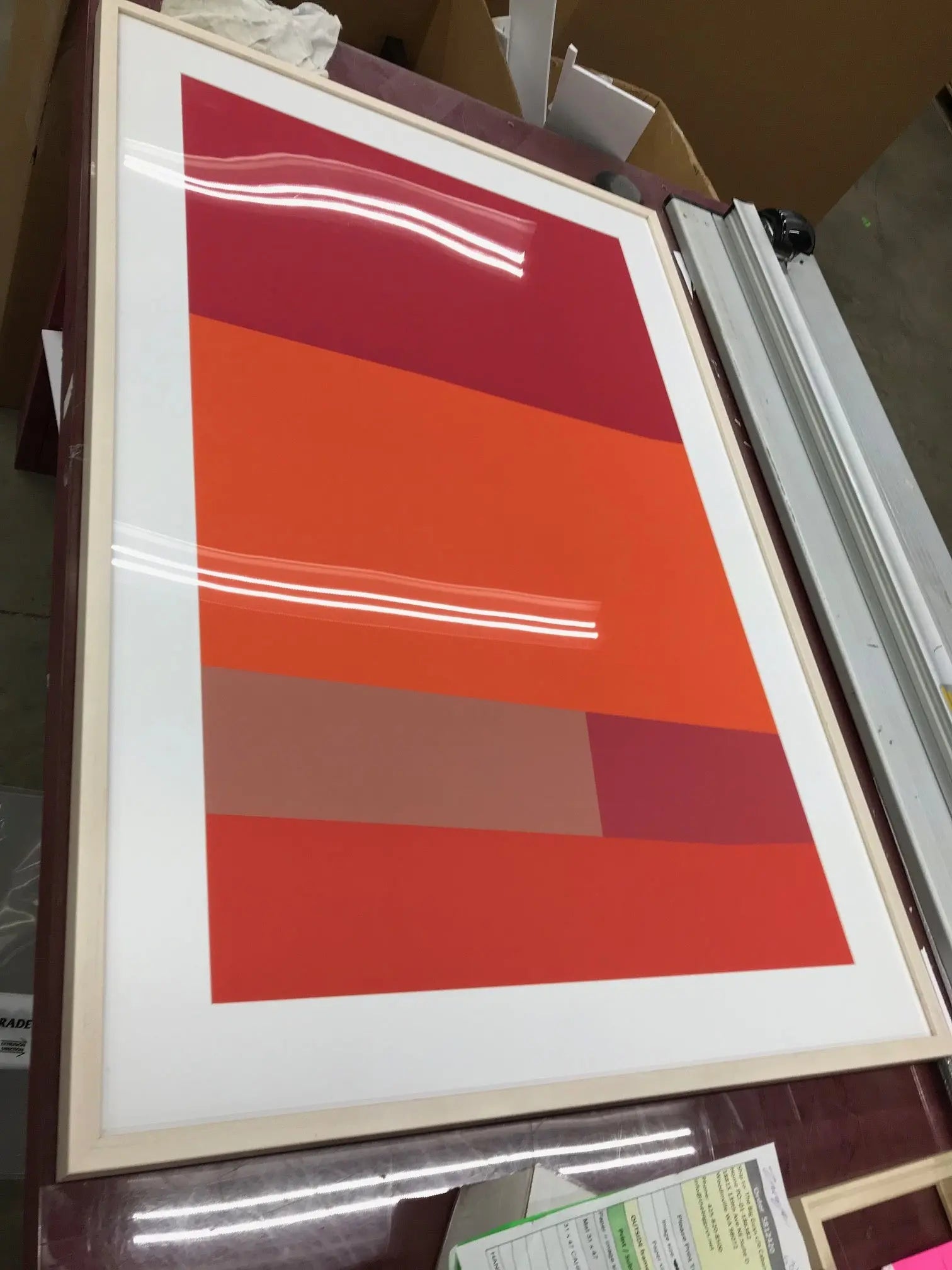
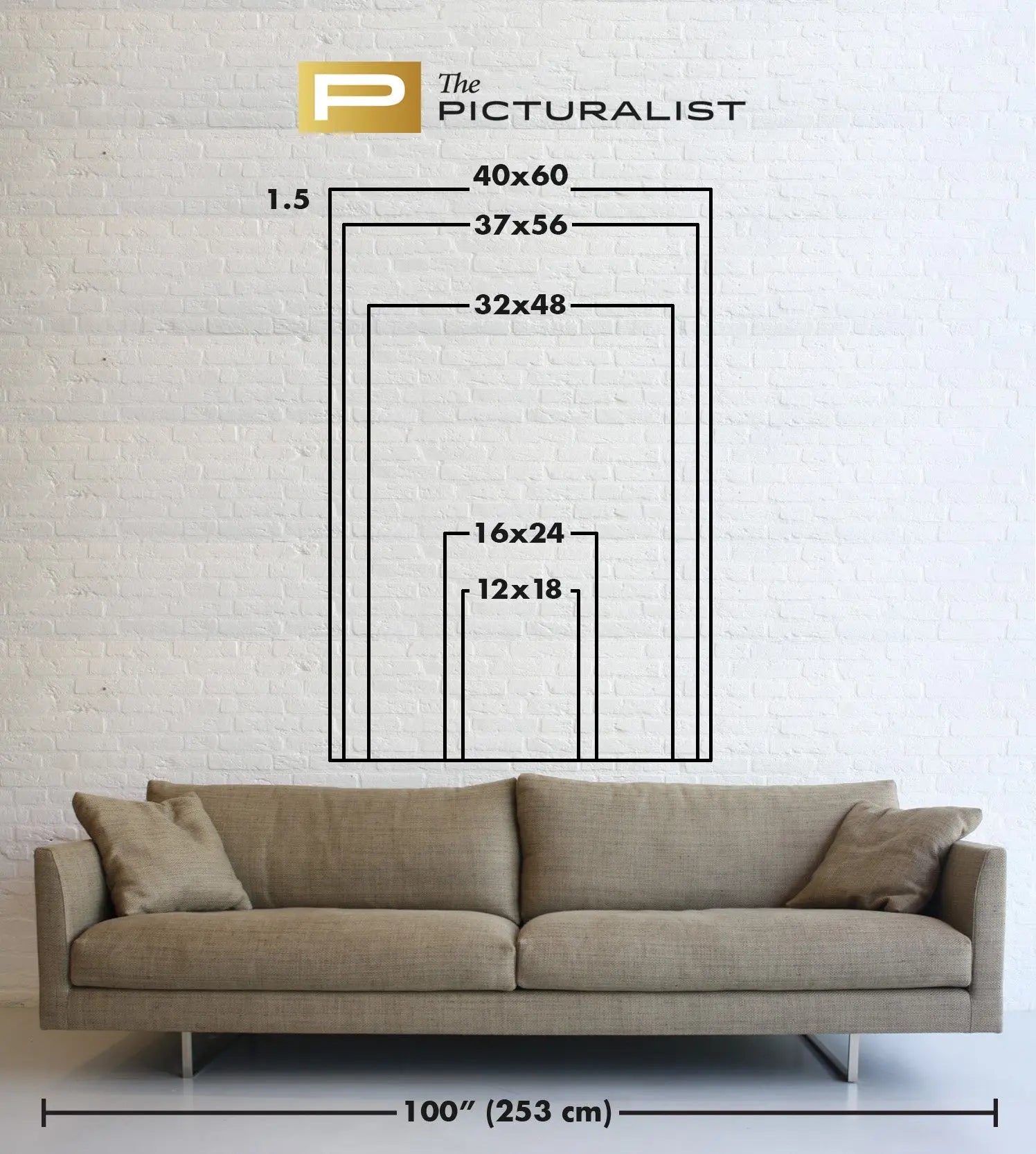
Unframed Fine Art Print — the print alone, produced on 285 gsm archival matte cotton rag paper with Epson fade-resistant giclée inks, without mounting, matting, or framing. This option is available for buyers who prefer to frame locally, who are working with a custom framer on a specific project, or who are acquiring prints for a collection that will be mounted and stored rather than immediately installed. All unframed prints are shipped flat in archival tissue, between rigid foam boards, in a reinforced shipping box. For custom framing projects, our team can provide precise paper dimensions and recommend frame sizes and mat widths for any work in the catalog.
Paper vs. Canvas vs. Chromaluxe Metal — Choosing the Right Medium
Choose archival paper when tonal precision, photographic detail, and the refined quality of traditional fine art presentation are the priority. Paper is the right choice for photography where the nuance of shadow, highlight, and color temperature matters most — Slim Aarons prints, vintage celebrity portraits from Getty Images Gallery, Kevin Dailey's black-and-white sailing work — and for any interior where the material register calls for something warm, flat, and classically framed rather than projected or luminous. The floated shadowbox presentation gives paper prints a presence that belies the flatness of the medium itself.
Choose canvas when the interior context is warm and tactile — natural wood, linen, stone, raw plaster — and when the subject benefits from a painterly surface quality and the physical depth of a stretched frame projecting from the wall. Multi-panel configurations and large-format abstract works perform particularly well on canvas.
Choose Chromaluxe metal when luminosity, durability, and commercial-grade performance are the requirements — for hospitality environments, coastal installations, high-traffic commercial spaces, and photography with strong color and atmospheric depth where the enhanced vibrancy of aluminum amplifies the visual impact of the image.
For Interior Designers, Collectors & First-Time Buyers: Fine Art Prints on Paper Buying Guide
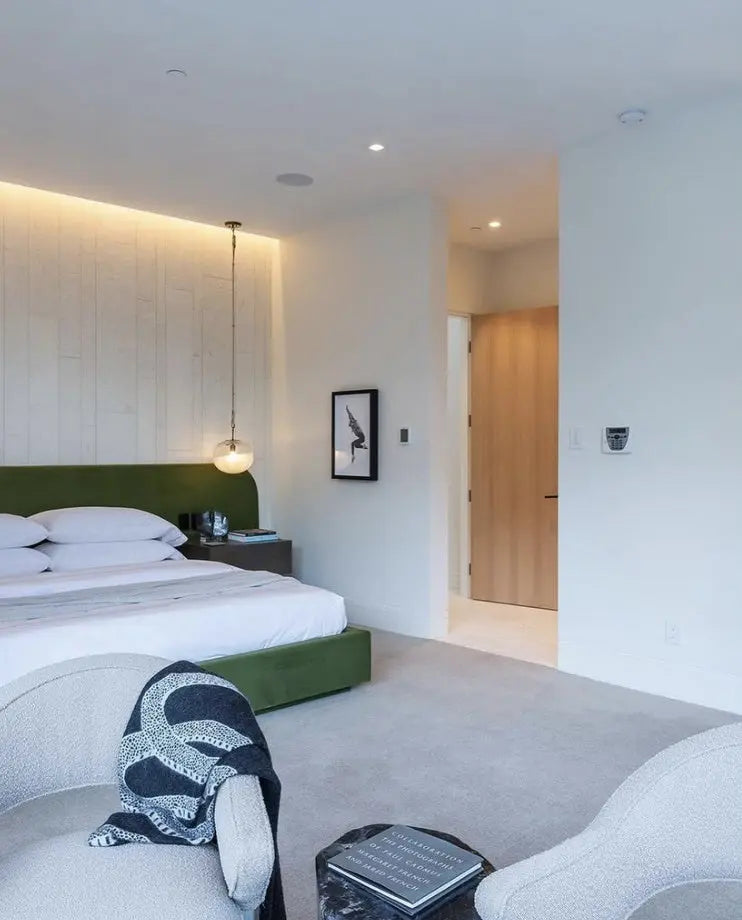
Archival paper prints are the most widely purchased format in the residential art market and the format that most collectors and designers default to for its combination of visual quality, presentation flexibility, and the enduring cultural authority of paper as a fine art medium. The floated shadowbox presentation in particular is consistently identified by interior designers as the format that most reliably impresses clients — the gap between print and frame creates a quality of presence that buyers associate with original artwork rather than reproduction. Common searches that bring buyers here: buy fine art prints on paper, archival paper art prints for interior design, giclée prints framed for home, floated art print in shadowbox frame, buy museum-quality paper prints online, matted fine art prints for wall, buy framed giclée prints, archival photography prints on paper, buy matte paper art prints, floater frame fine art prints, Slim Aarons archival paper print, buy fine art giclée prints online, matted photography prints for gallery wall, unframed fine art prints to frame locally, buy archival paper prints for luxury interior, museum-quality paper prints for boutique hotel, giclée prints on 285gsm paper, fine art prints framed and ready to hang, buy open edition paper prints, shadowbox framed art prints for living room. Museum-quality giclée production on 285 gsm archival matte cotton rag paper, floated, matted, and unframed options, full custom framing range, trade program, 10-business-day delivery across the USA and Canada.