

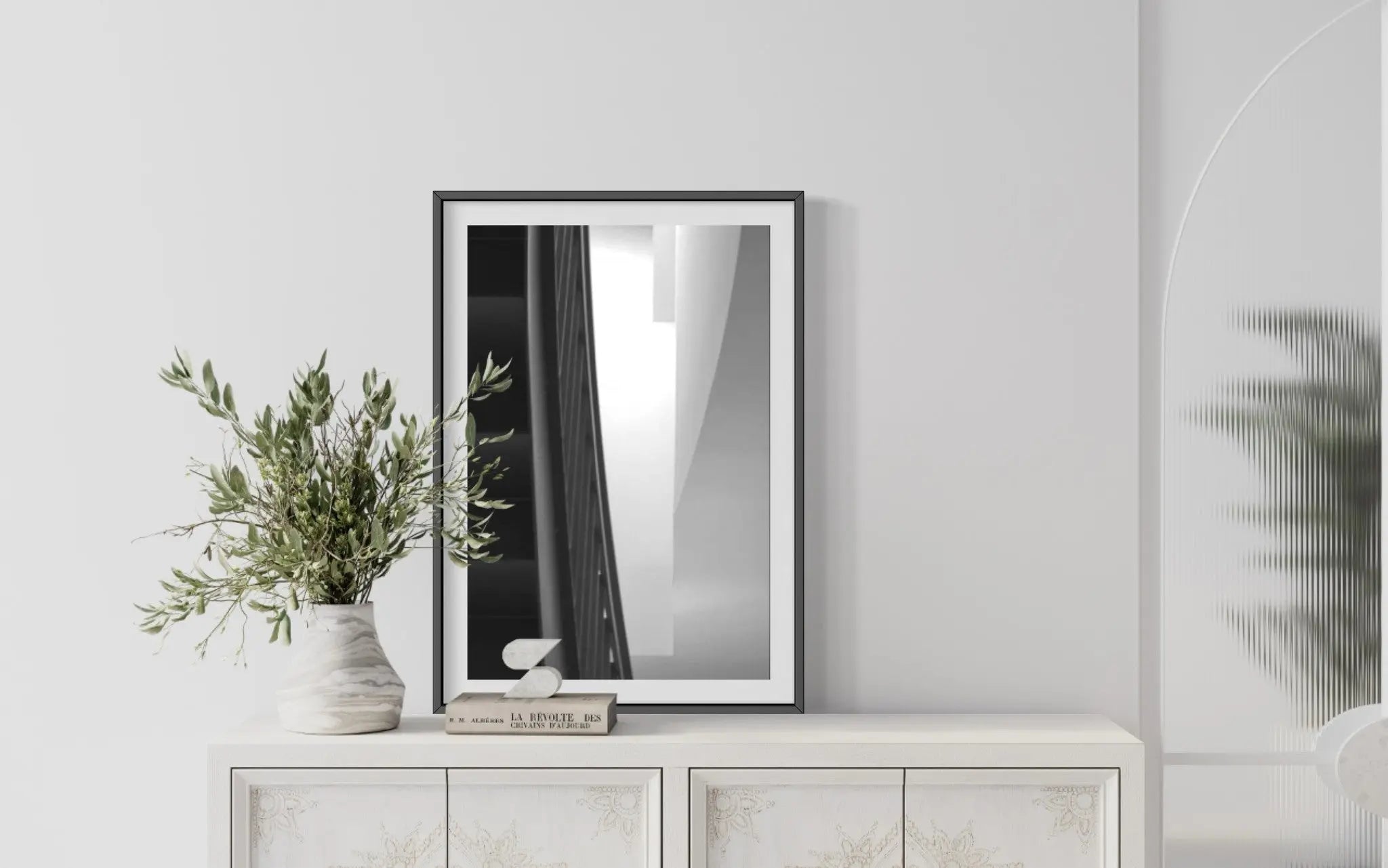



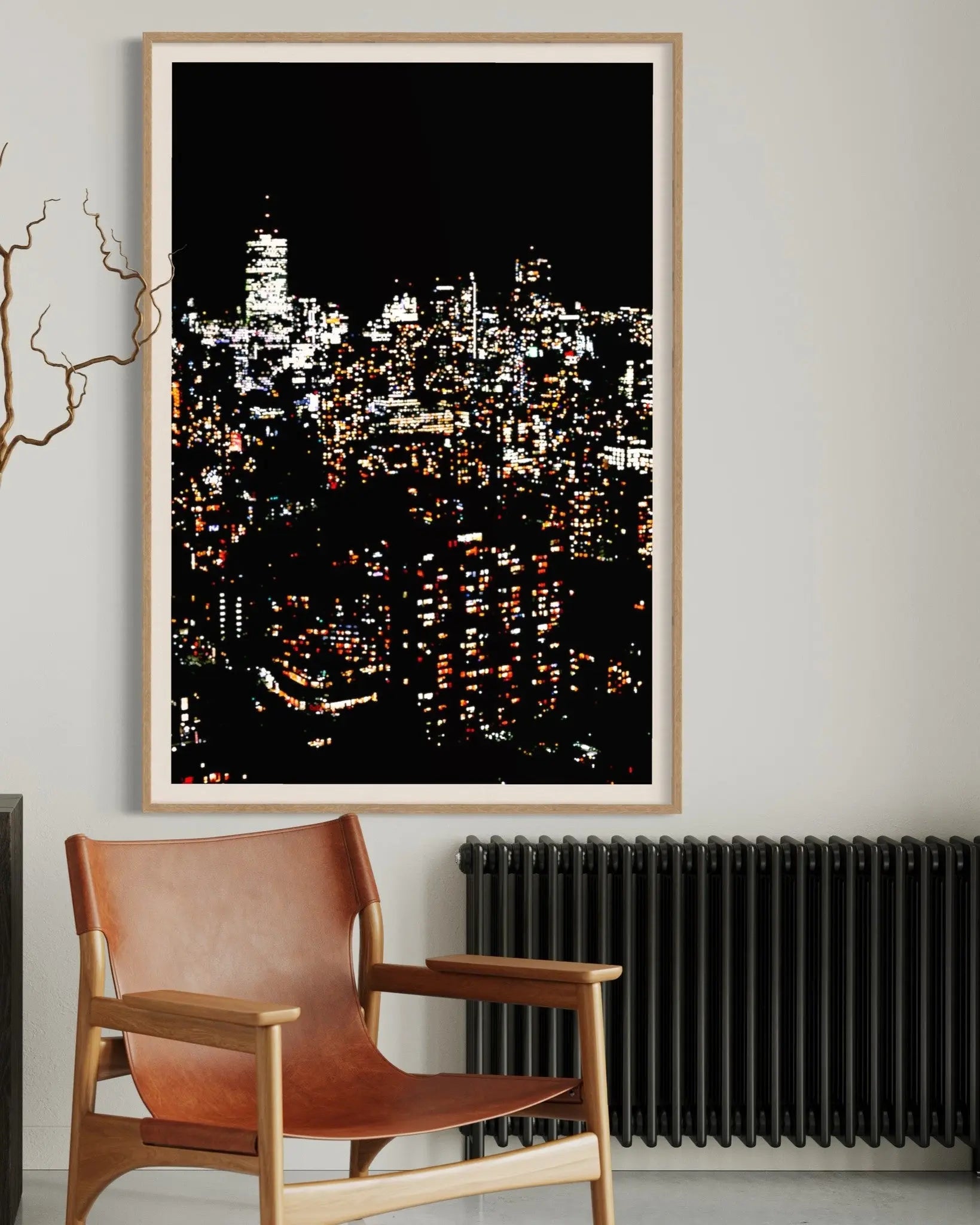







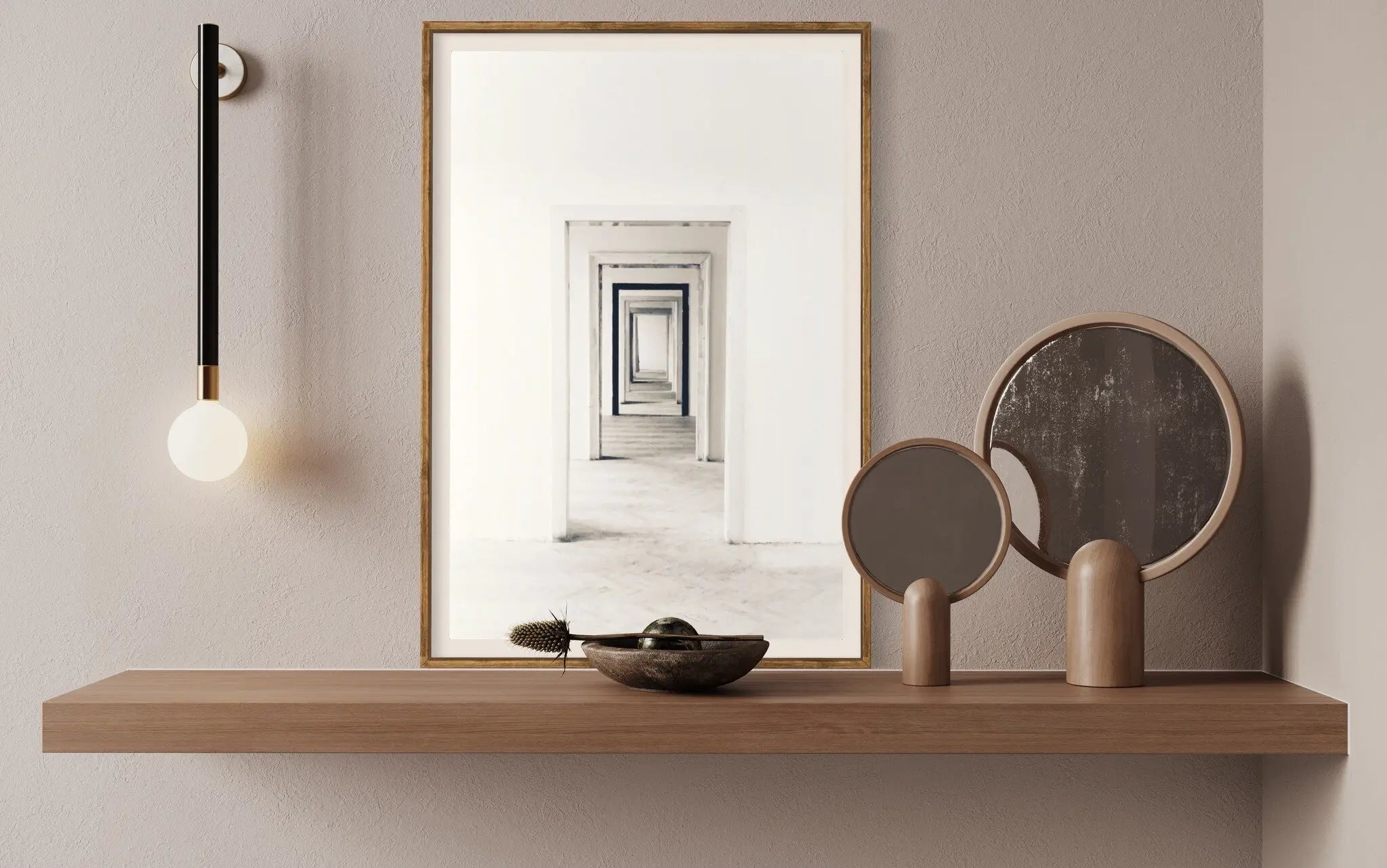
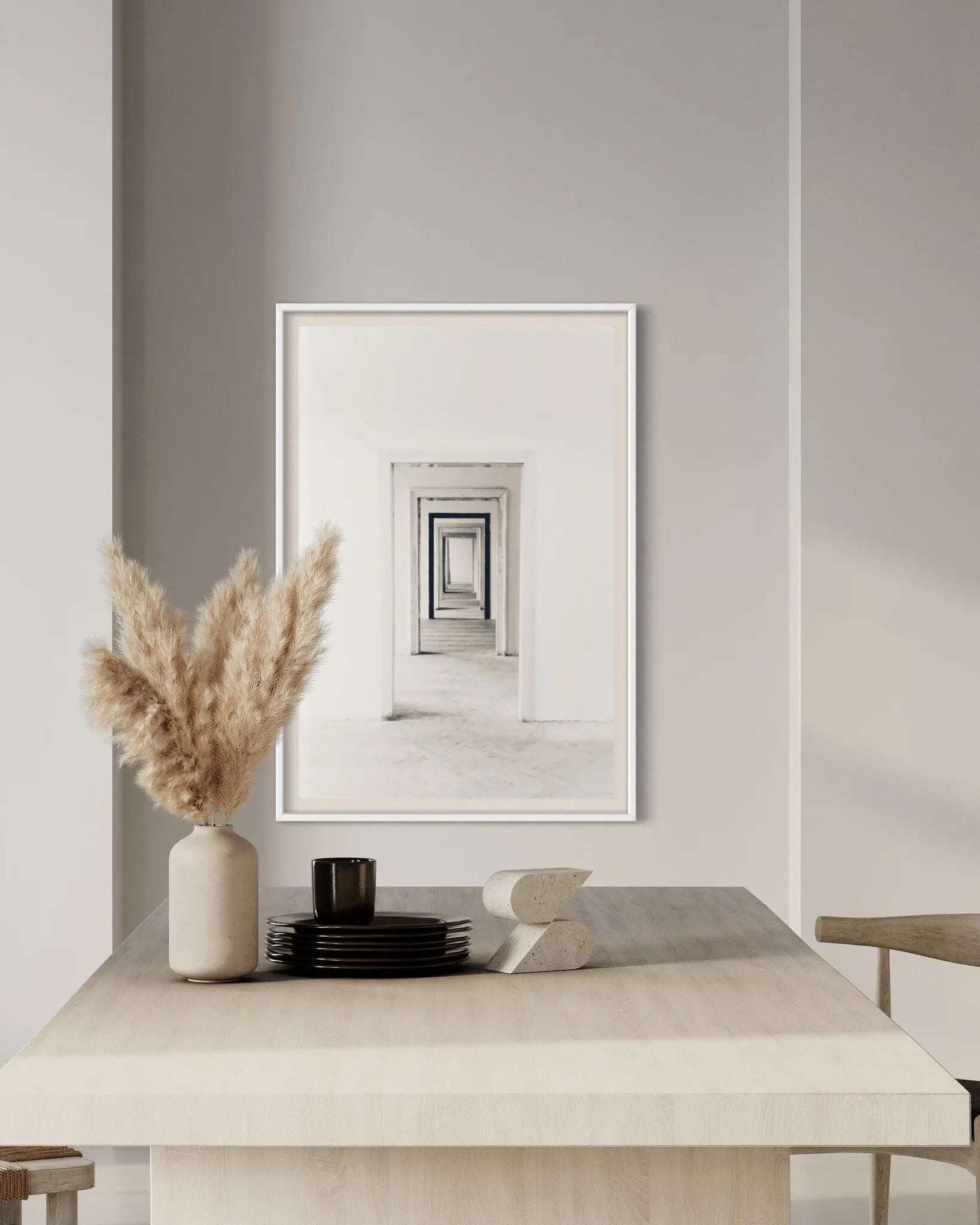
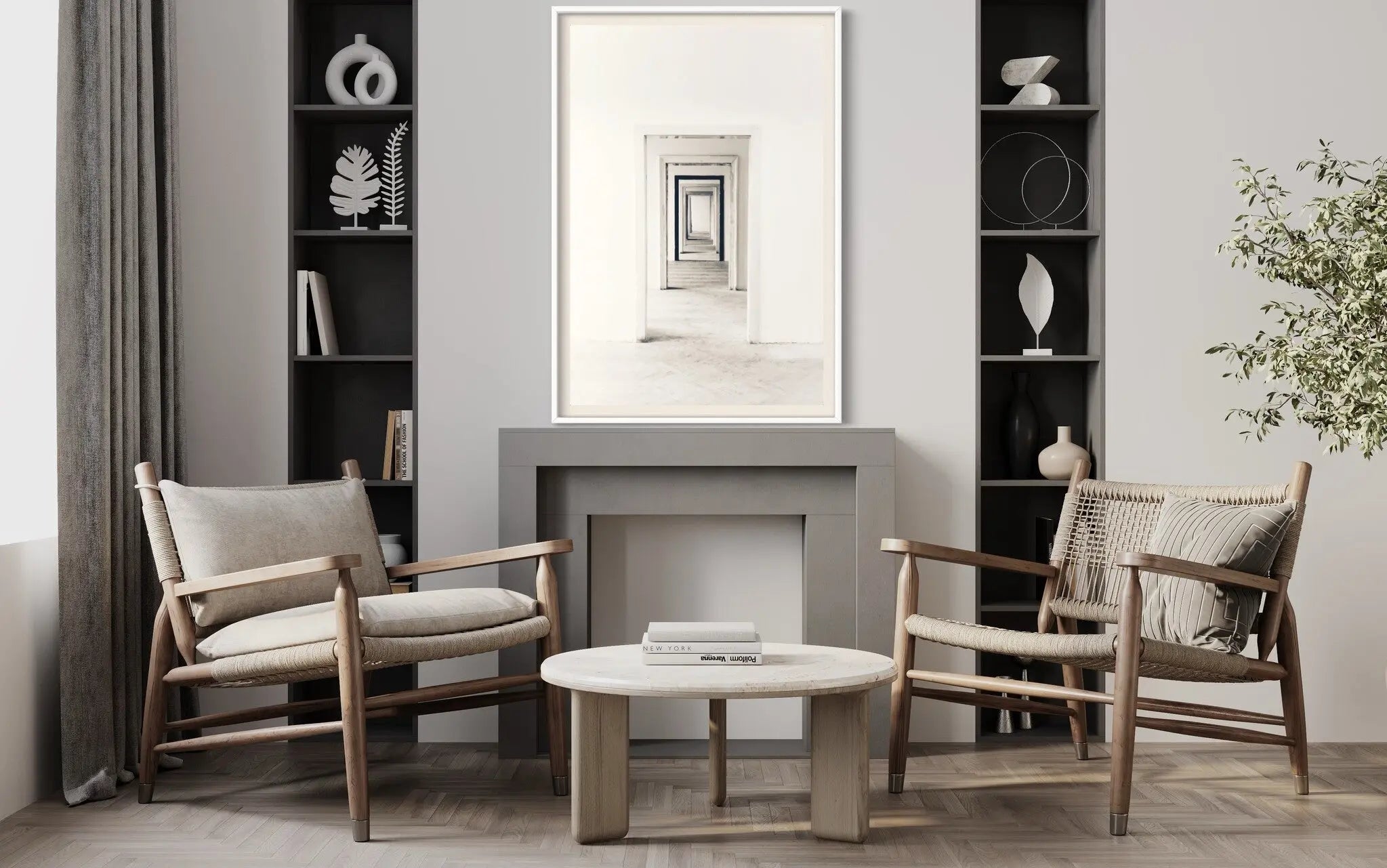
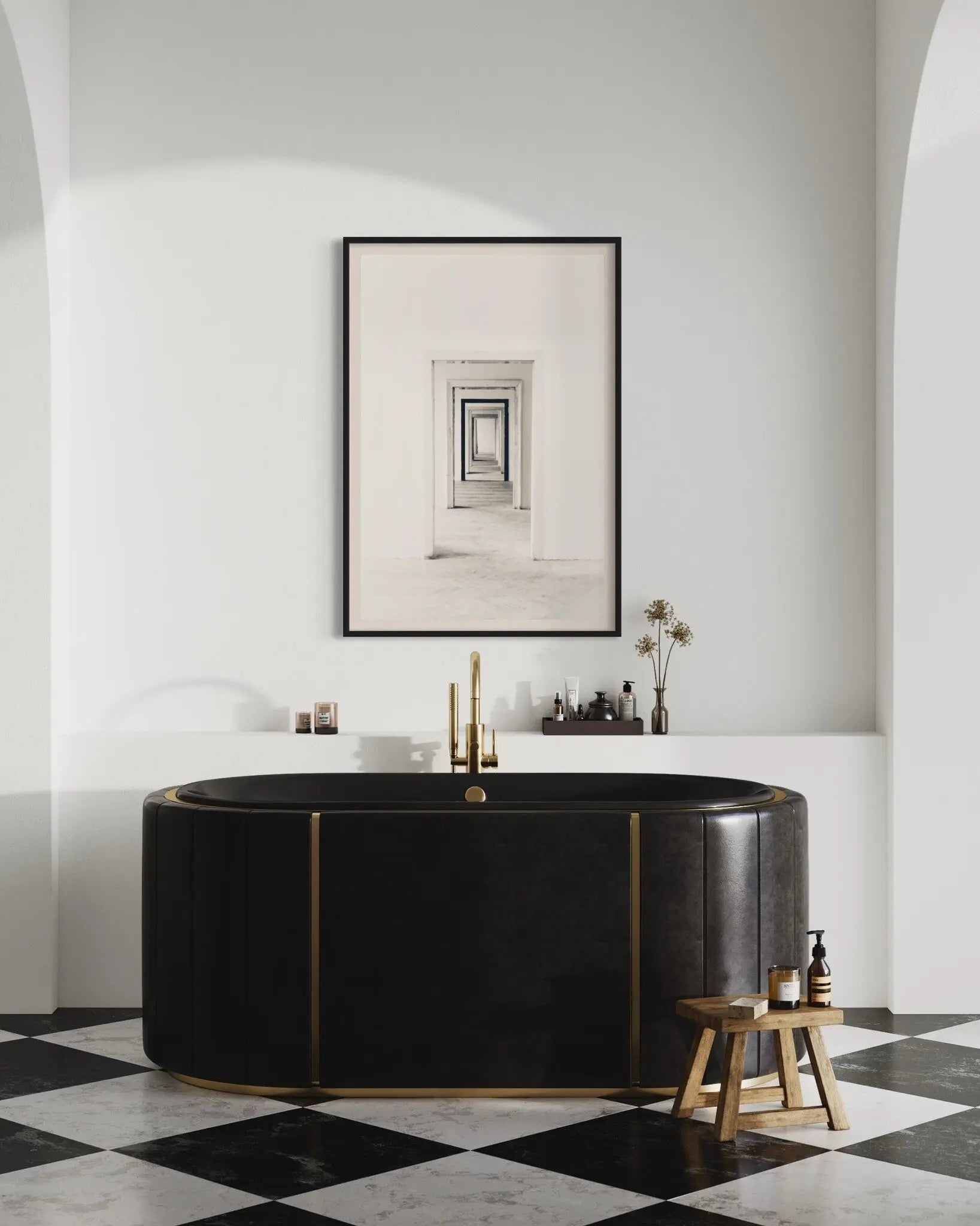













Minimalist City Photography for Architectural Impact
Architectural Photography — Fine Art Prints for Contemporary Interiors
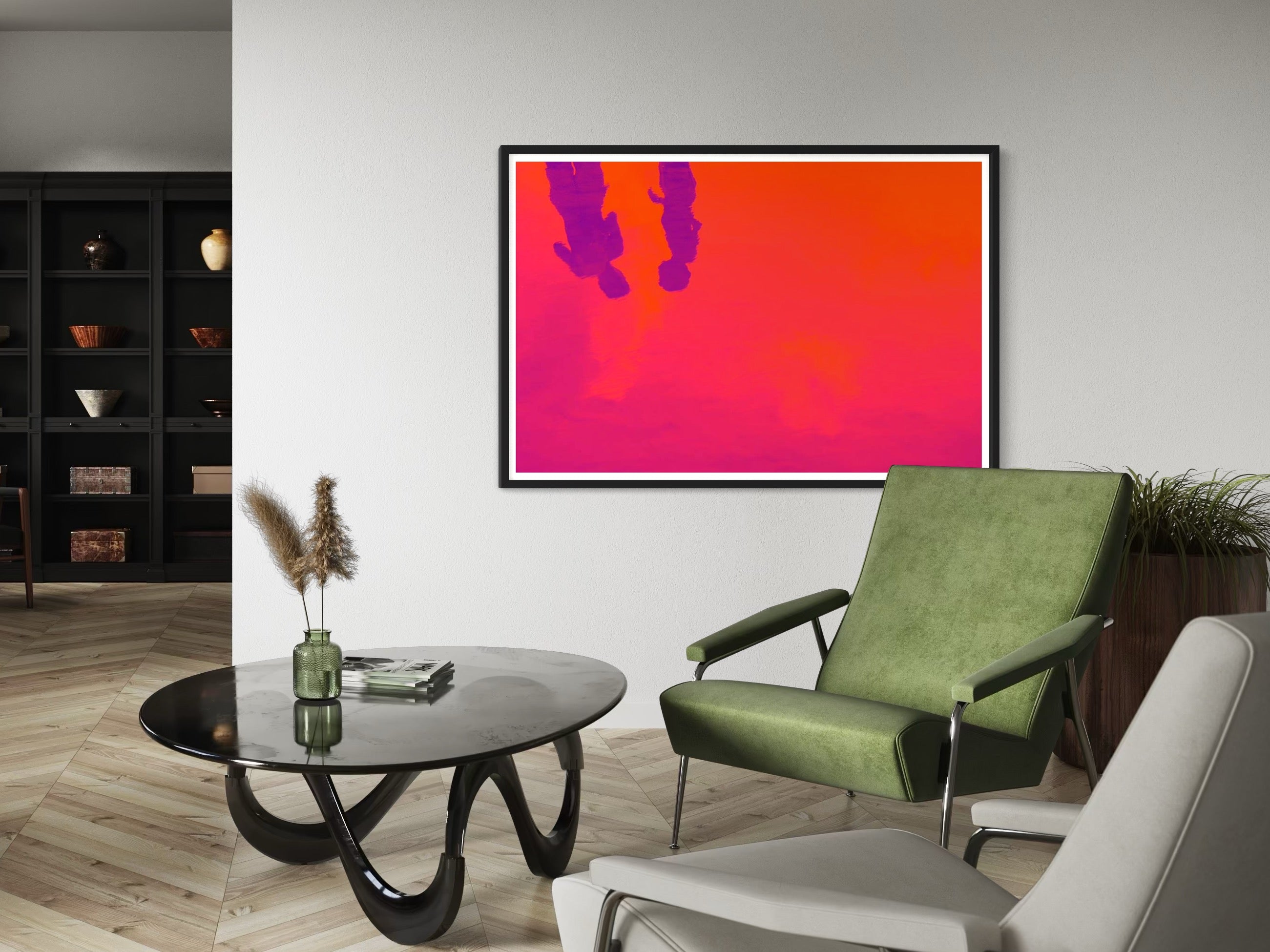
Architectural photography occupies a unique position in interior art — it is the one category where the subject of the work and the context in which it is displayed share the same essential language. A precisely composed photograph of a building's geometry, a city's structural logic, or a space defined by light and material brings to a residential or commercial interior exactly what the best architecture brings to a room: visual intelligence, spatial discipline, and a quality of order that creates calm rather than demanding attention.
Our Architectural Photography Collection brings together the finest architectural and urban photography in the Picturalist catalog. Wassily Kazimirski's Berlin studies — both his minimal white-plane compositions of the Berlin Weiss series and his long-exposure Citylights work — distill the city's structural logic into images of quiet force. Ugo Shirvanian's Chicago architectural photography turns the symmetry and perspective of North America's greatest architectural city into abstract compositions of extraordinary graphic precision. Francesco Alessandrini's Modern Geometry series fuses painting techniques with photographic vision to create images that sit productively at the border between architectural documentation and fine art abstraction. Tal Paz-Fridman's aerial and overhead photography transforms the built and natural environment into pure compositional form viewed from above. Together they define a collection for interiors that understand architecture not just as context but as subject.
Why Architectural Photography Works in Professional and Commercial Spaces
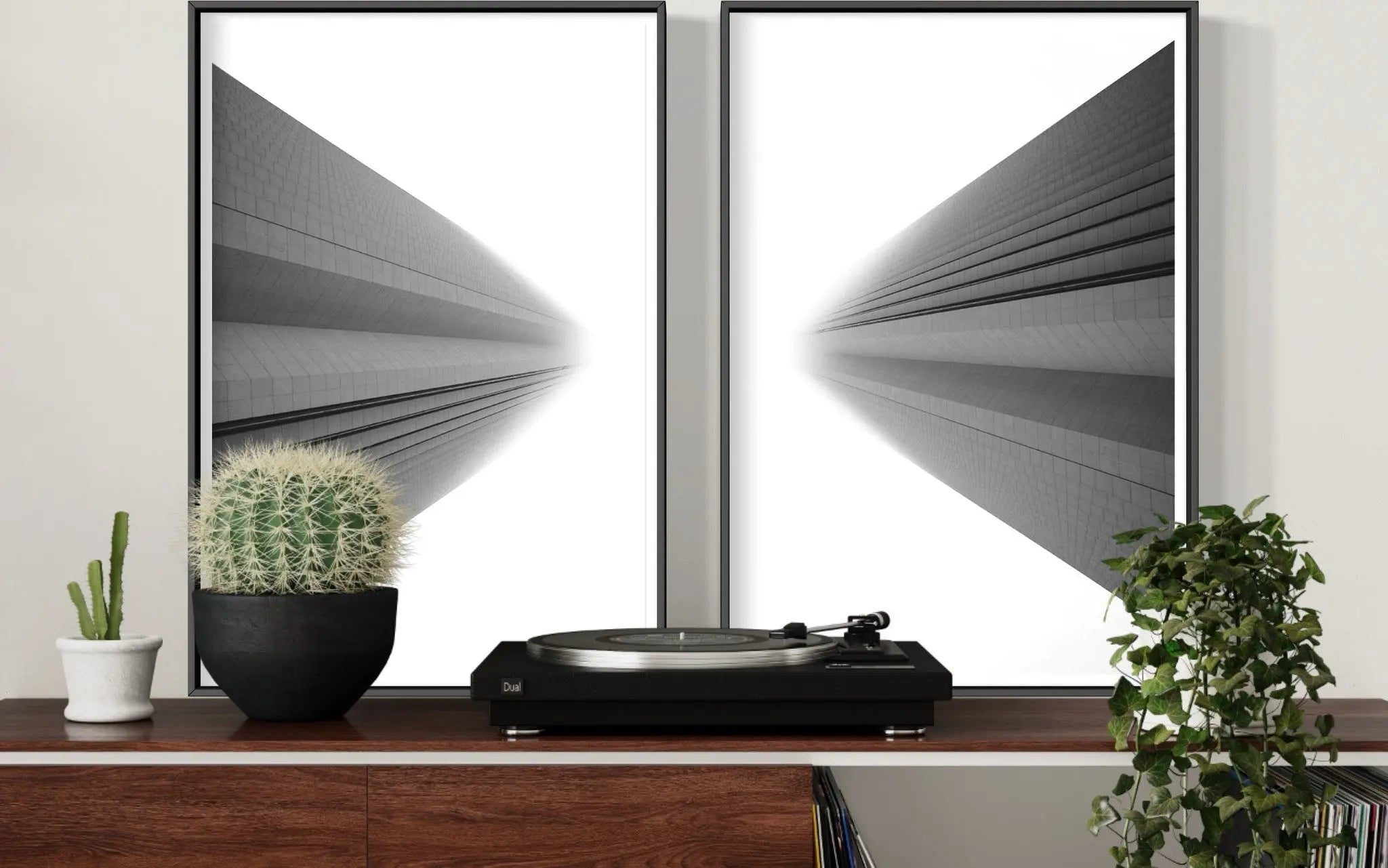
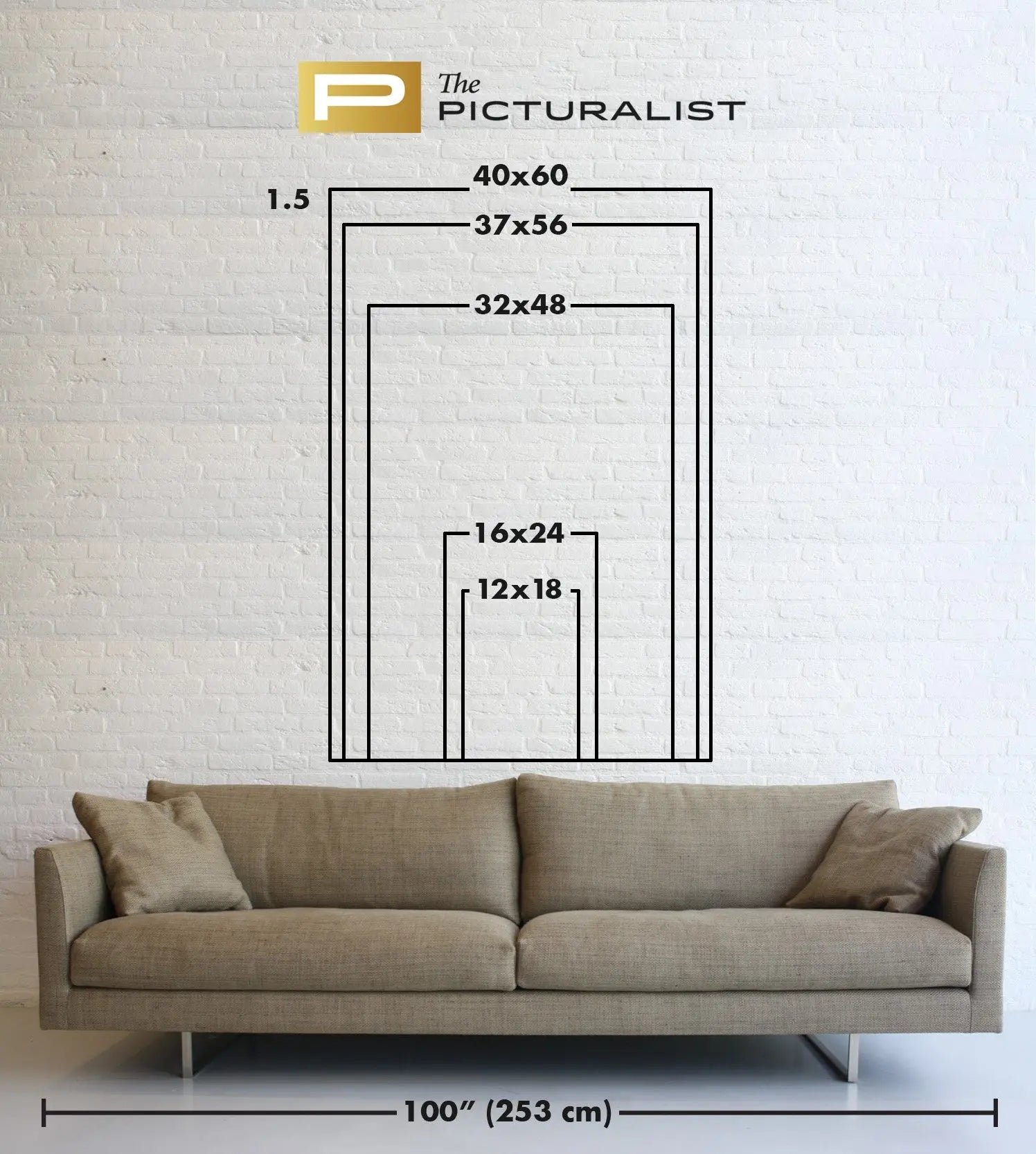
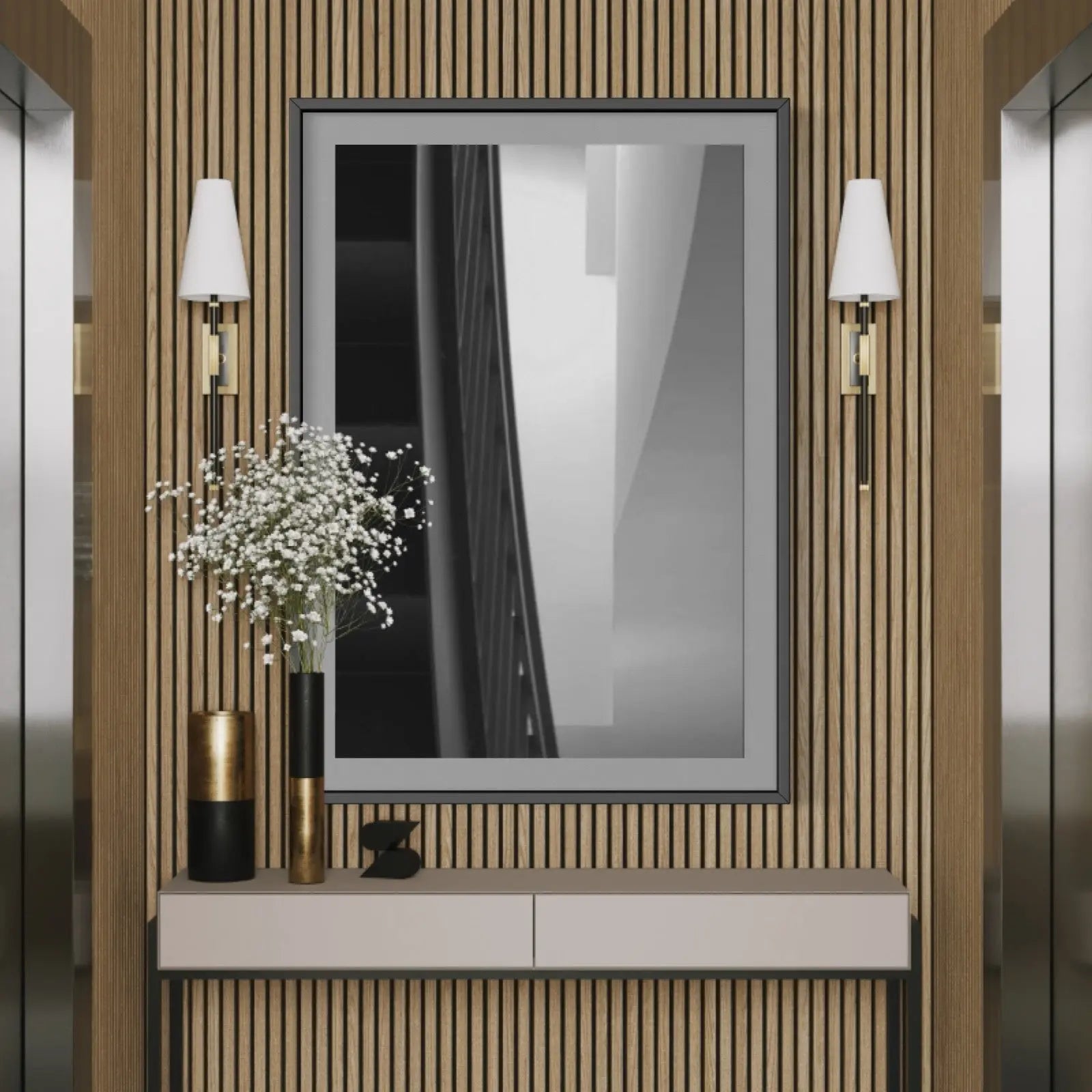
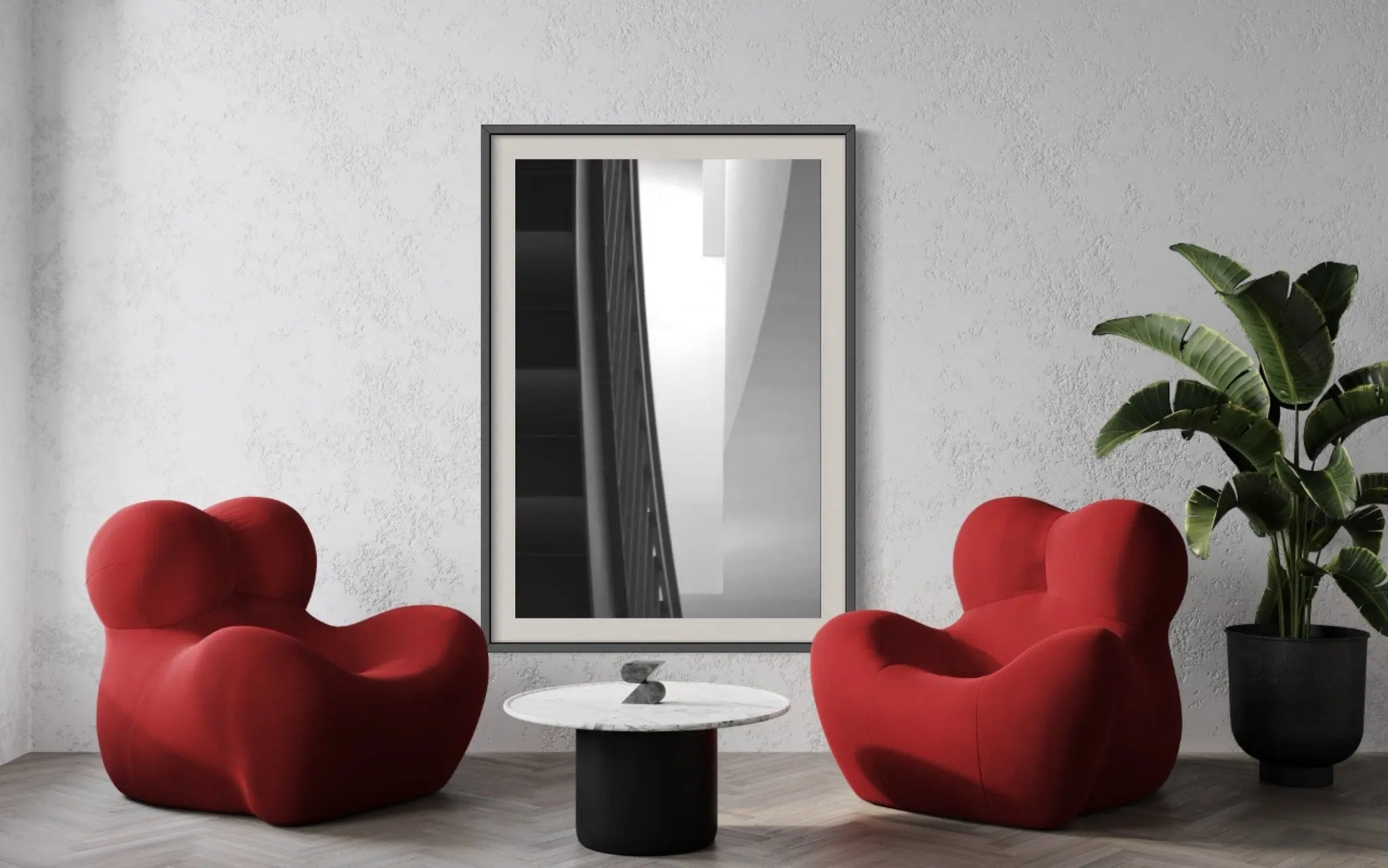
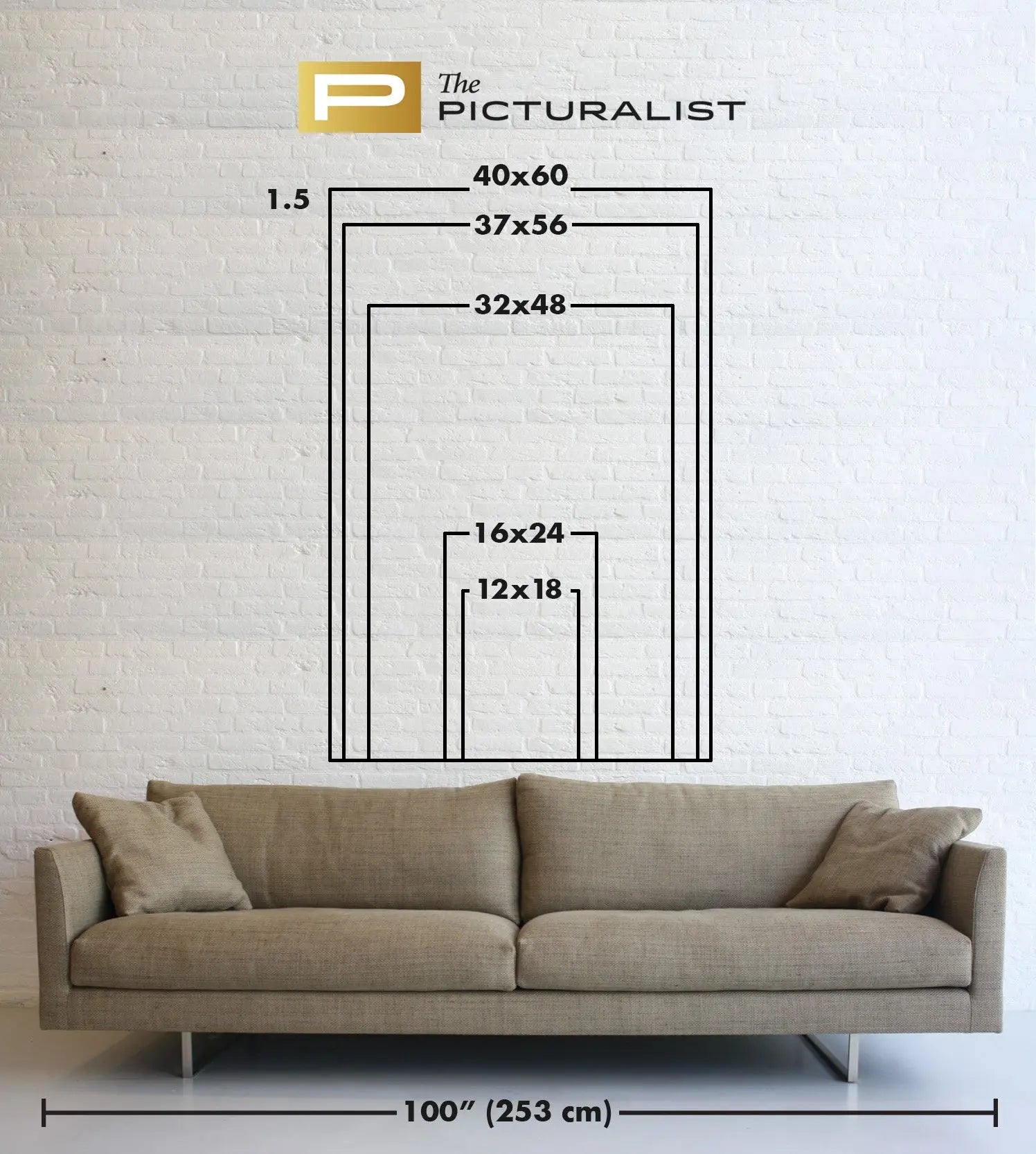
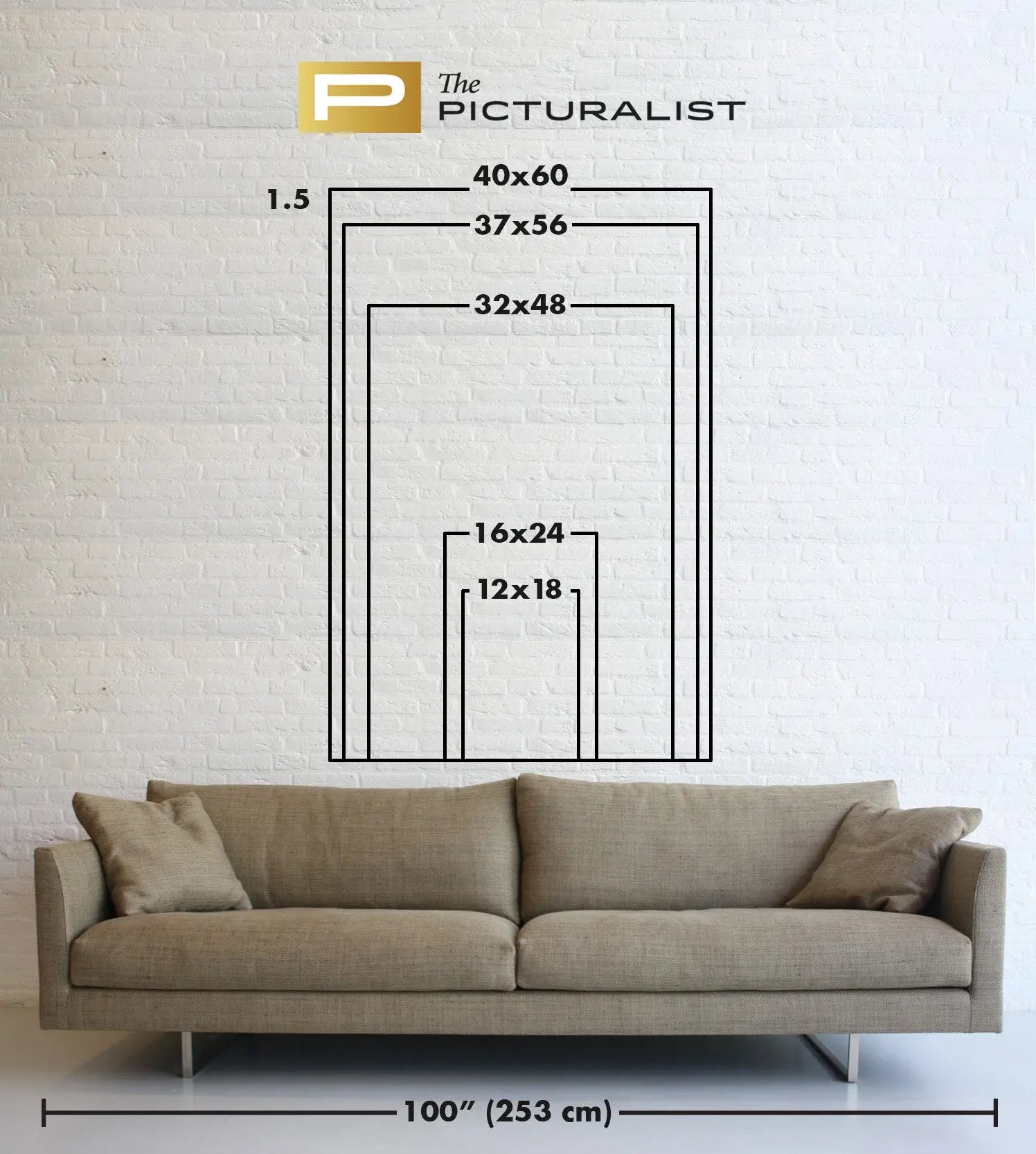
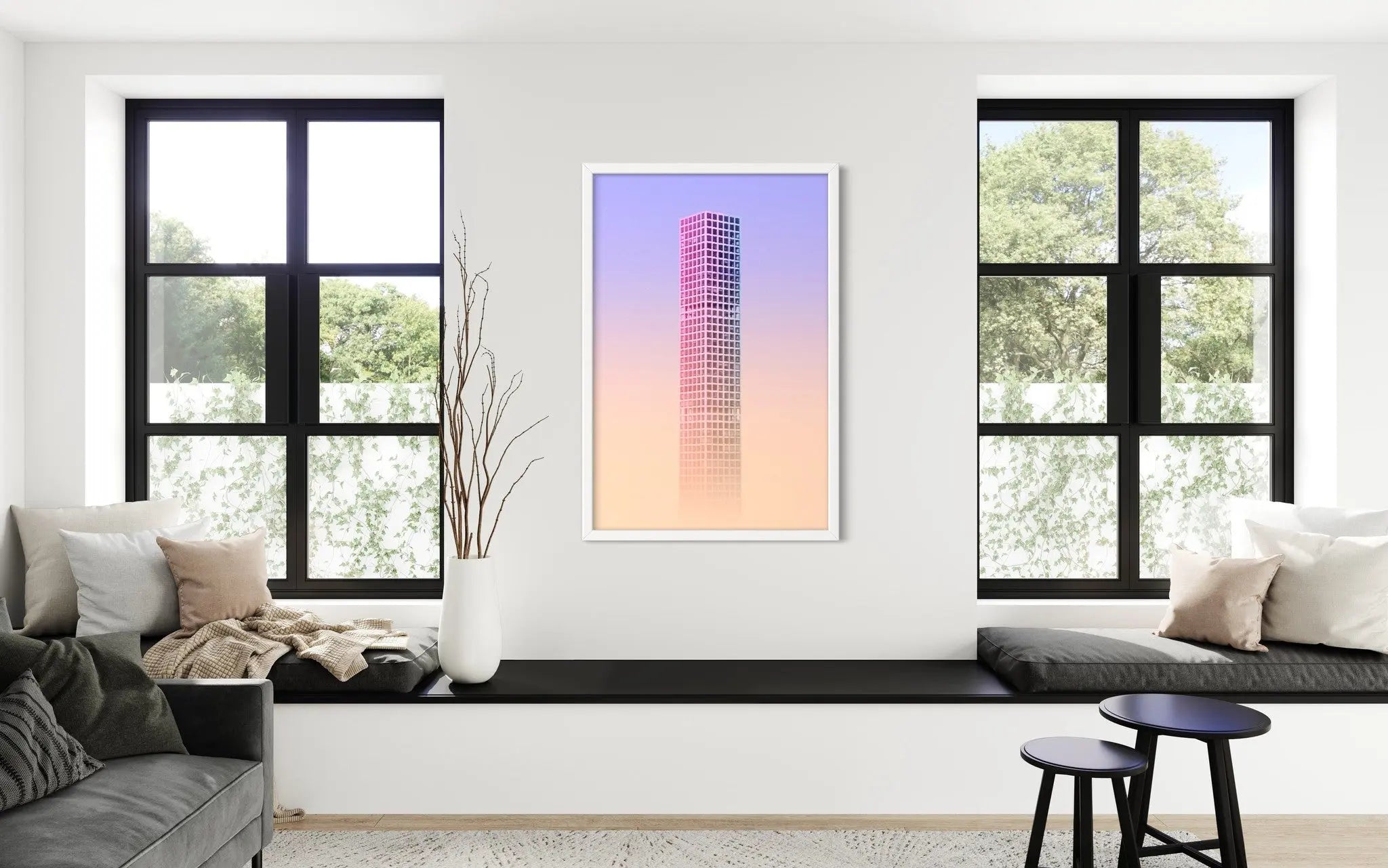
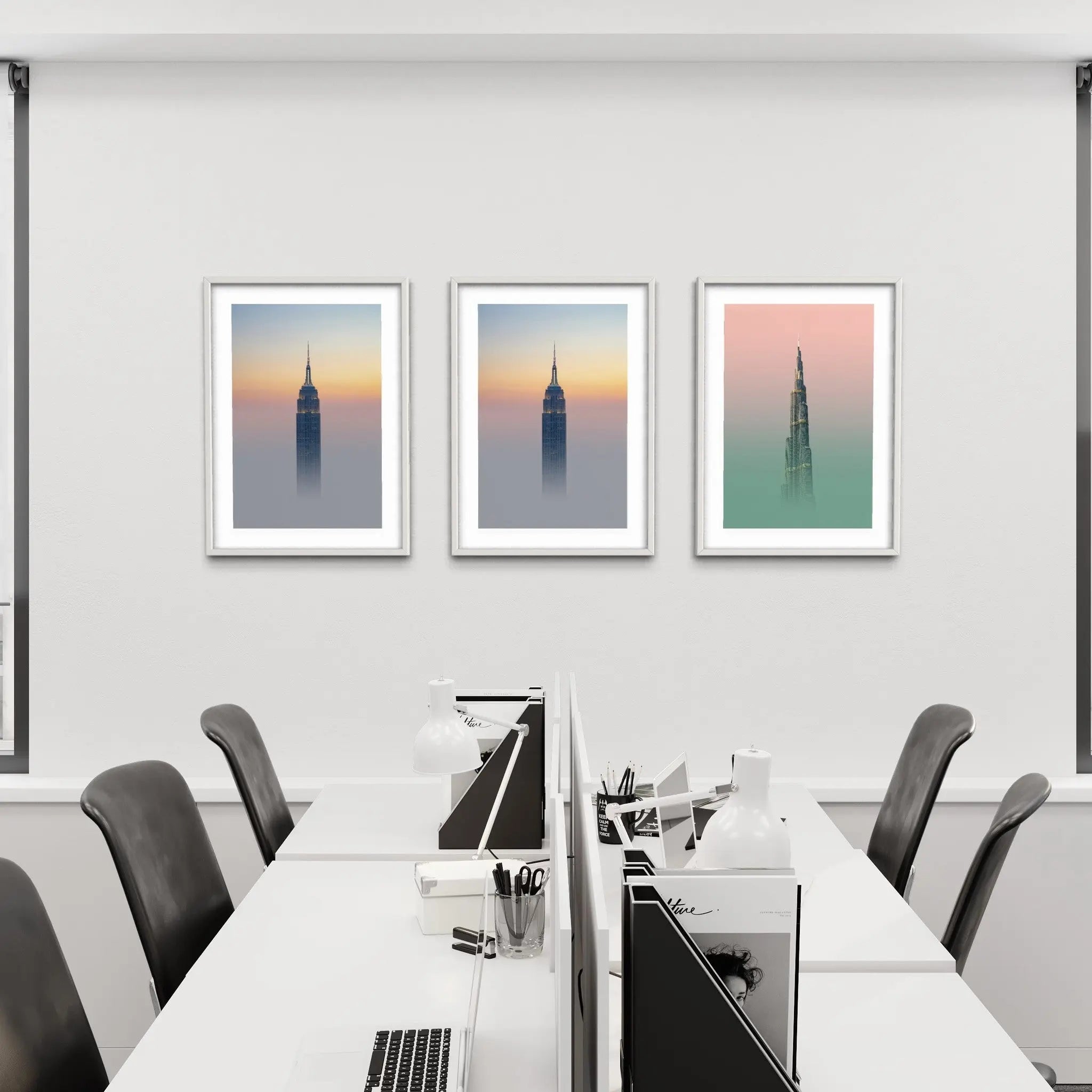
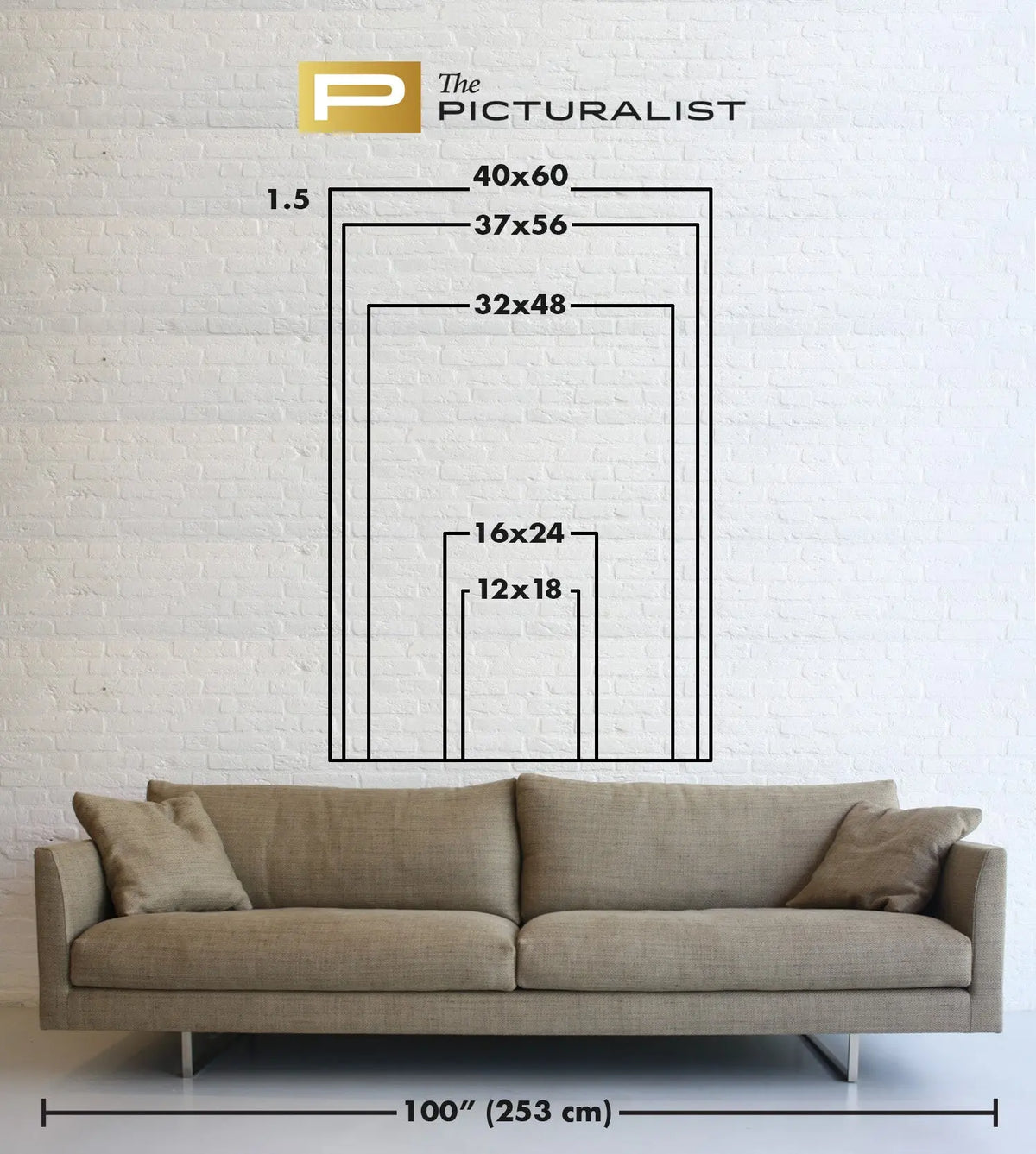
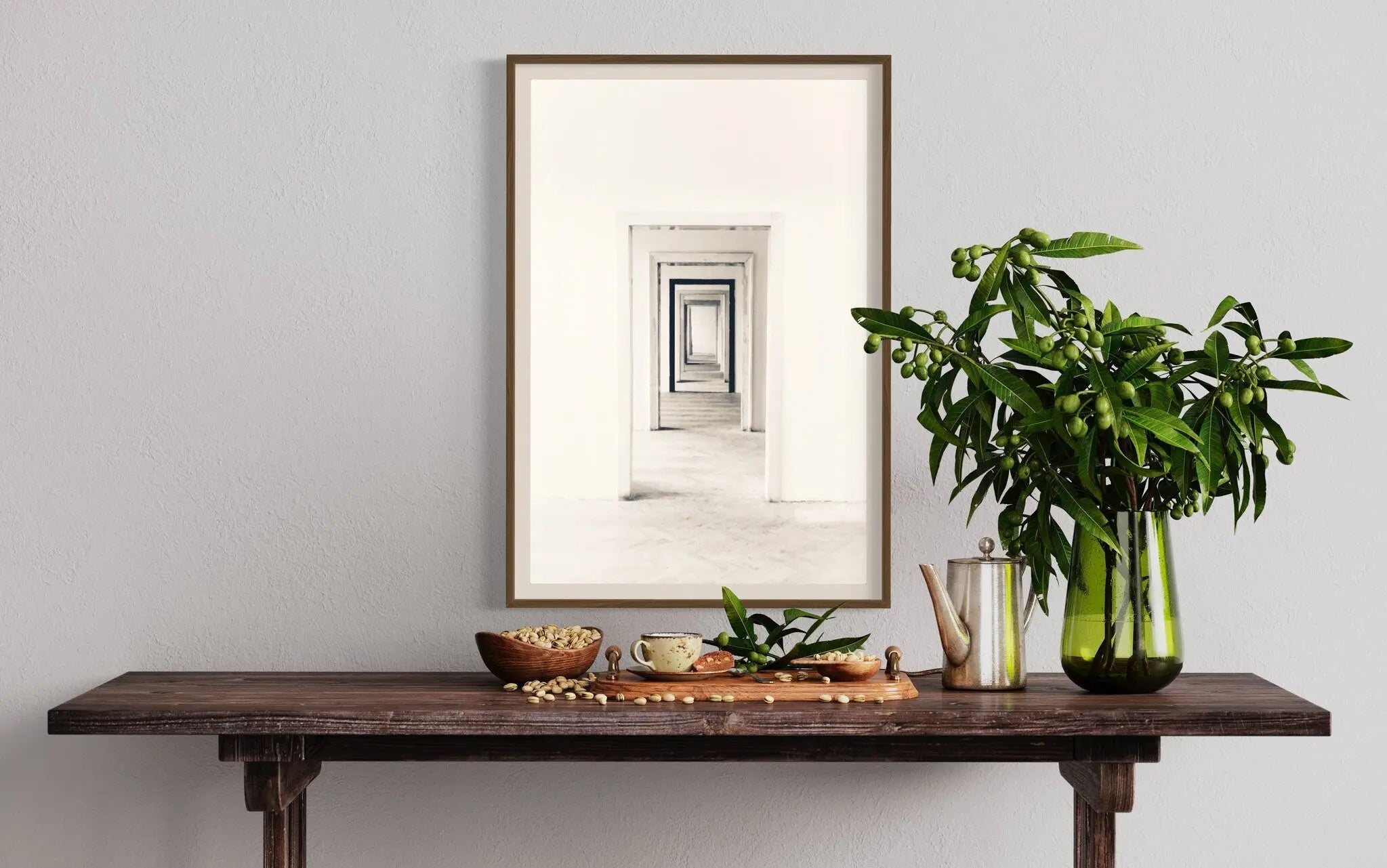
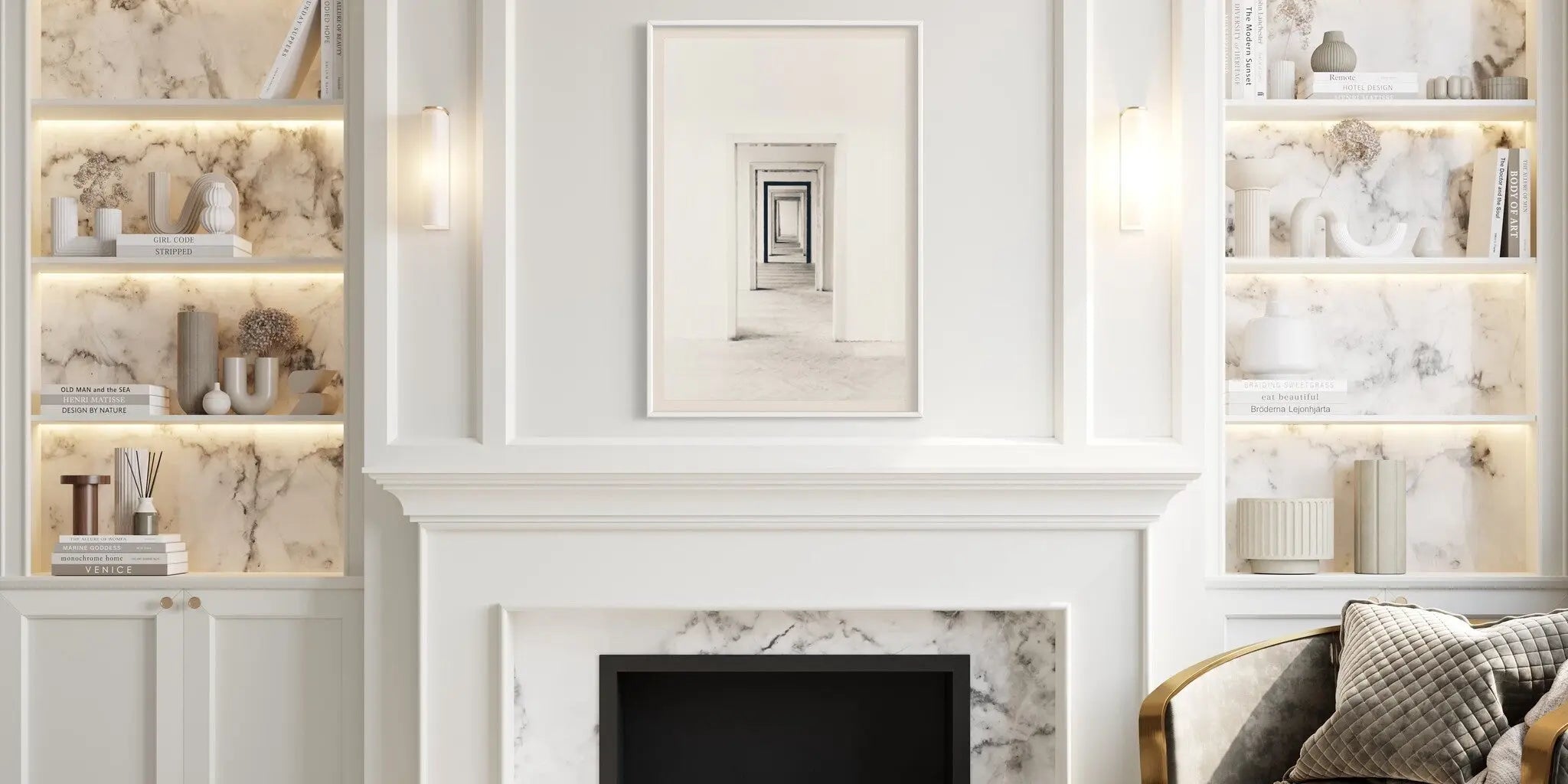
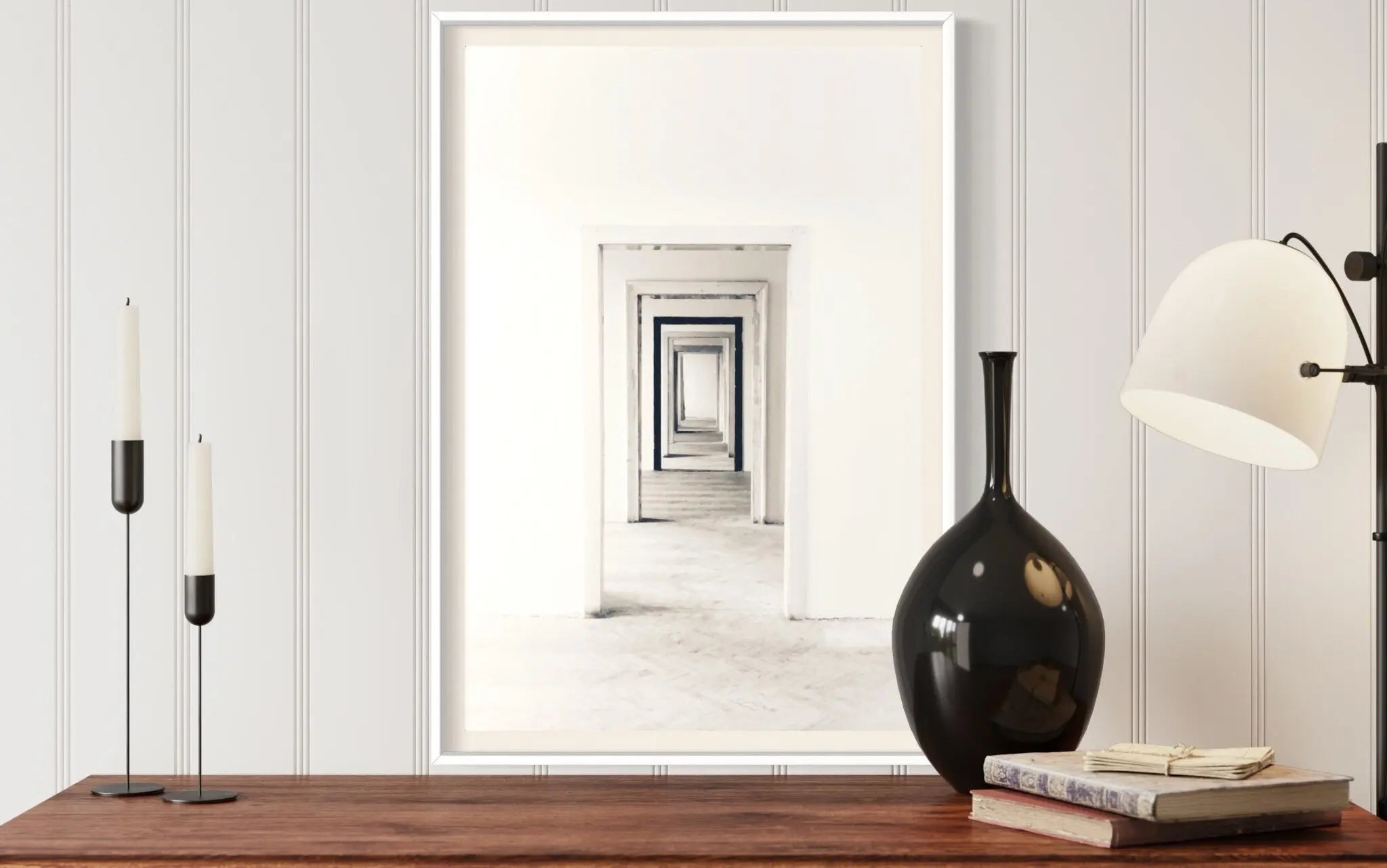
Architectural photography is the most consistently requested art category in corporate offices, law firms, technology companies, financial institutions, and contemporary commercial environments — and for a clear reason: it communicates exactly the qualities these environments want to project. Visual intelligence. Structural precision. A relationship between form and function that feels designed rather than accidental. Interior designers working on corporate art programs, executive offices, boardrooms, and hotel lobbies consistently reach for architectural photography as the most reliable way to bring genuine visual authority to a space without emotional risk. It reads as confident and considered to the widest possible range of viewers, from design-literate clients to first-time gallery visitors. For residential interiors — particularly modernist homes, contemporary apartments, and urban residences — architectural photography brings the outside city into the interior in a way that feels like genuine creative dialogue rather than decoration. Available on 285 gsm archival paper and Chromaluxe metal, in all custom sizes, with matte black and dark walnut frames among the most requested profiles for architectural subject matter.
For Interior Designers, Architects & Corporate Buyers: Architectural Photography Buying Guide
Architects and interior designers sourcing art for architectural projects consistently identify this category as the most natural bridge between the built environment and the art placed within it — the works here speak the same formal language as the spaces they inhabit. Corporate art procurement professionals find architectural photography the safest and most reliably approved category across the widest range of client stakeholders, from conservative financial services firms to design-forward technology companies. Common searches that bring buyers here: architectural photography art prints for office, buy urban photography prints for interior design, city photography art for corporate space, architectural abstract photography for home, black and white architecture photography prints, Berlin photography art prints, Chicago architecture photography for interior, buy geometric architectural photography, minimalist city photography for luxury home, contemporary architecture prints for boardroom, architectural photography for hotel lobby, buy framed urban photography online, symmetrical architecture photography art, long exposure city photography prints, buy Wassily Kazimirski prints, Ugo Shirvanian Chicago photography, architectural abstraction for commercial interior, fine art photography of buildings, overhead aerial photography for interior design, buy contemporary architectural photography. Museum-quality giclée production on archival paper and Chromaluxe metal, custom framing, trade program, 10-business-day delivery across the USA and Canada.
Clean Lines That Shape the Frame
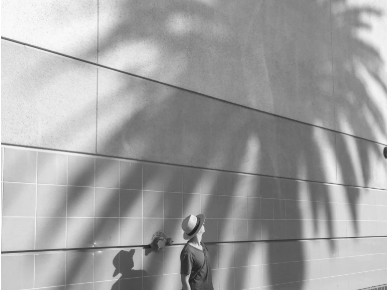
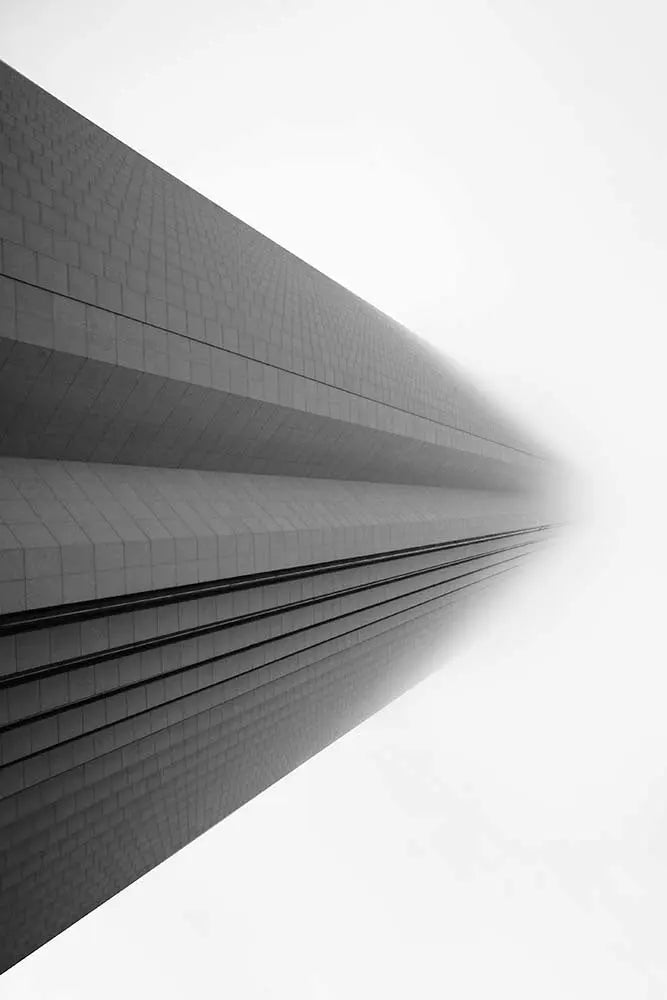
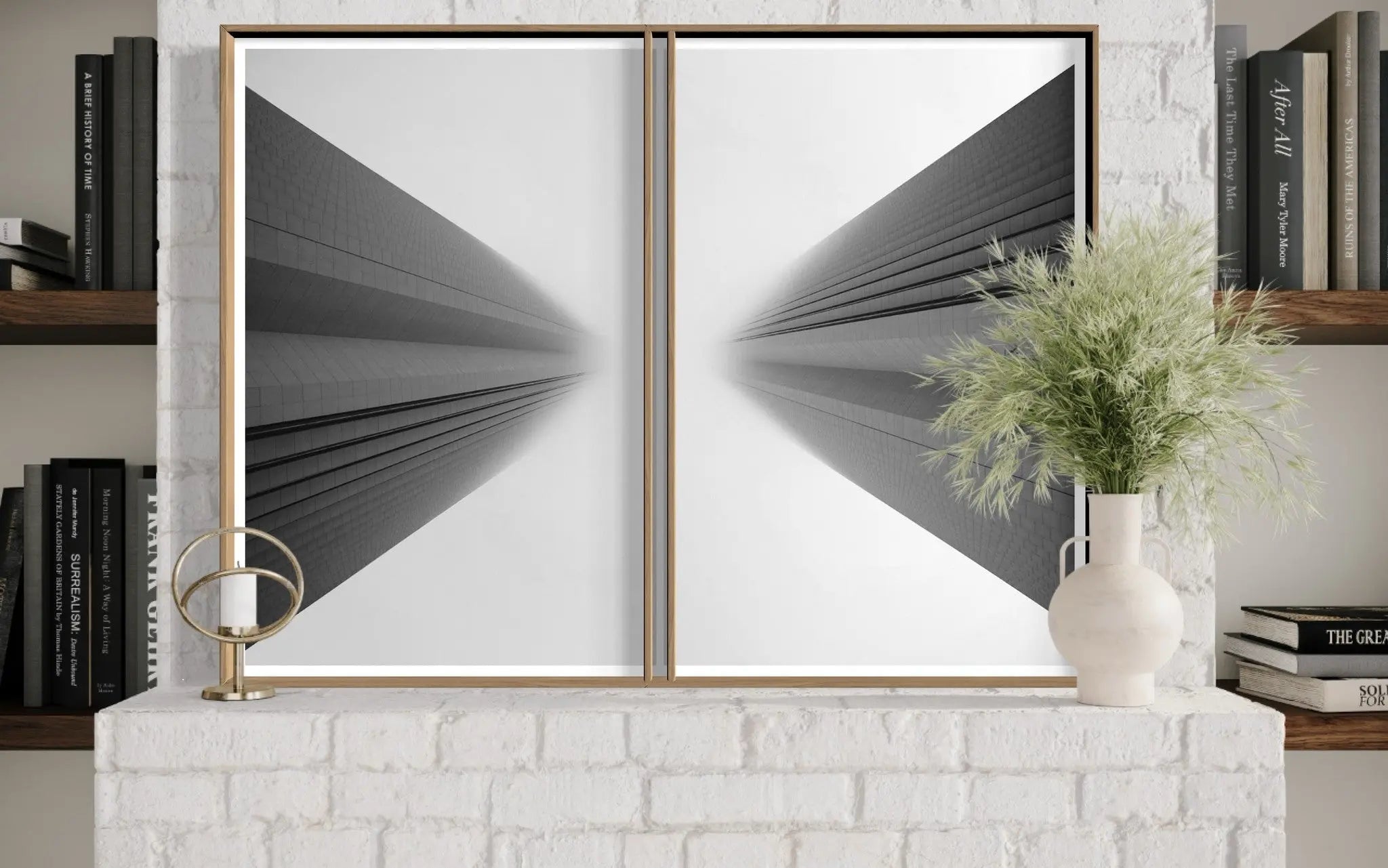
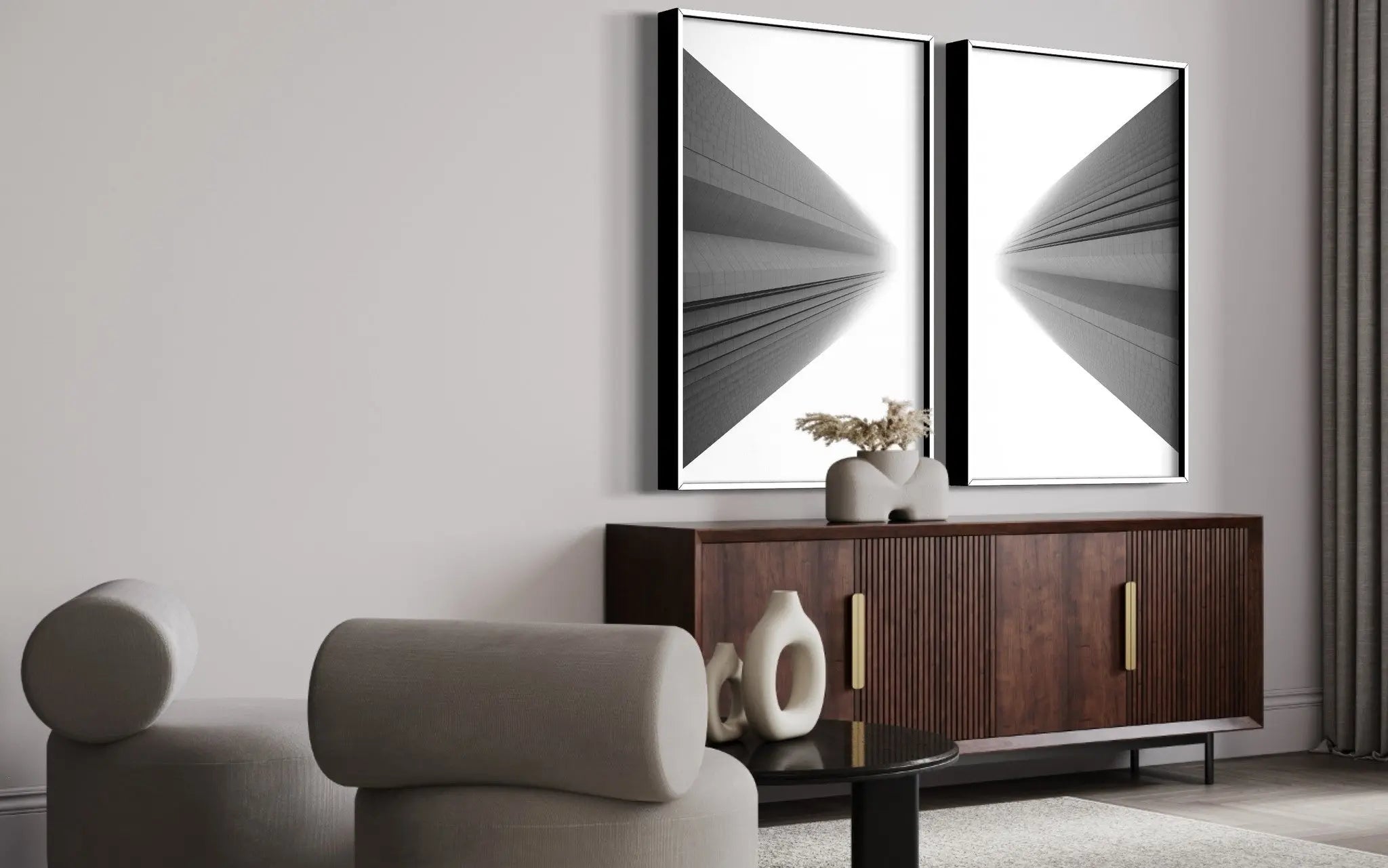
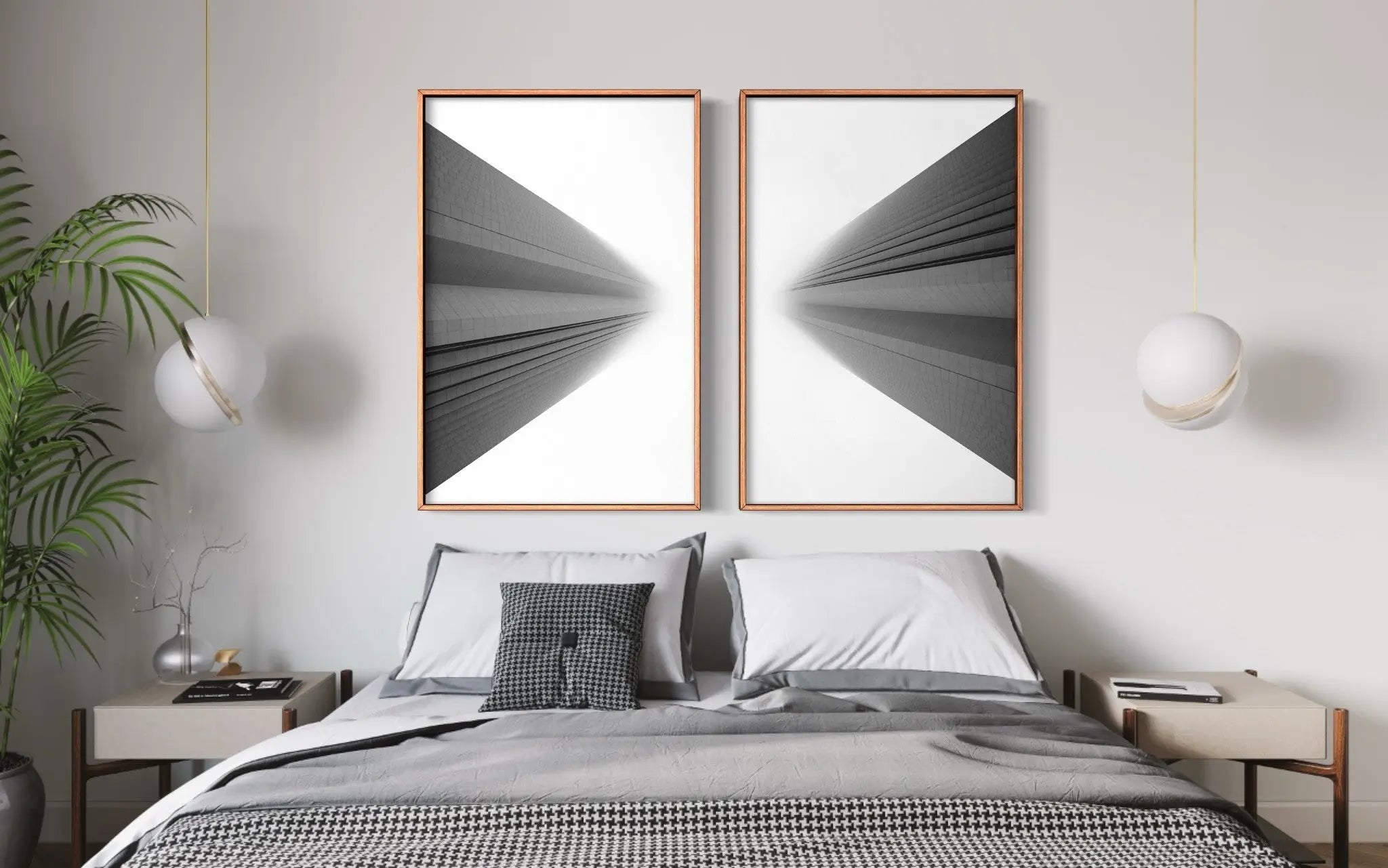
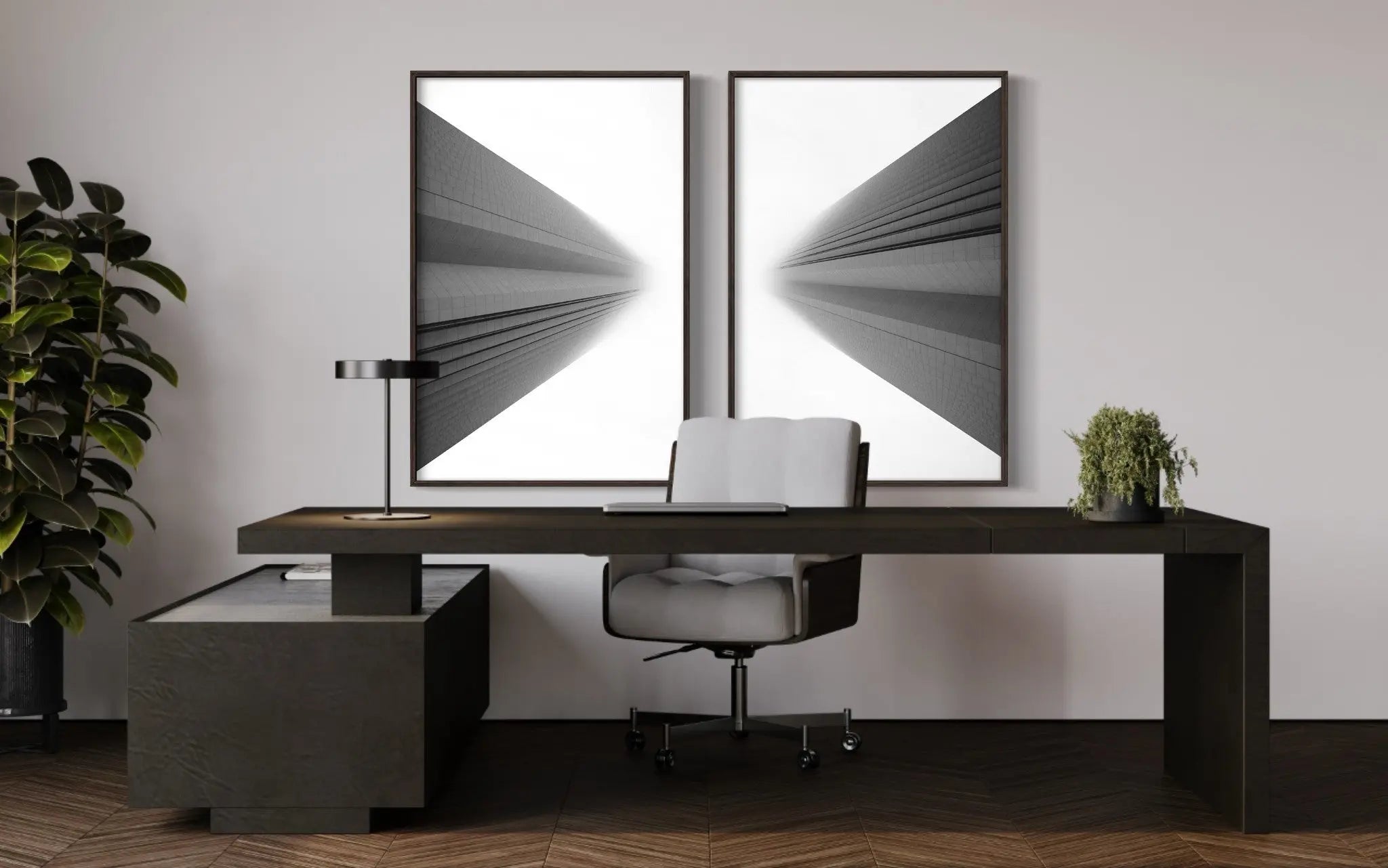
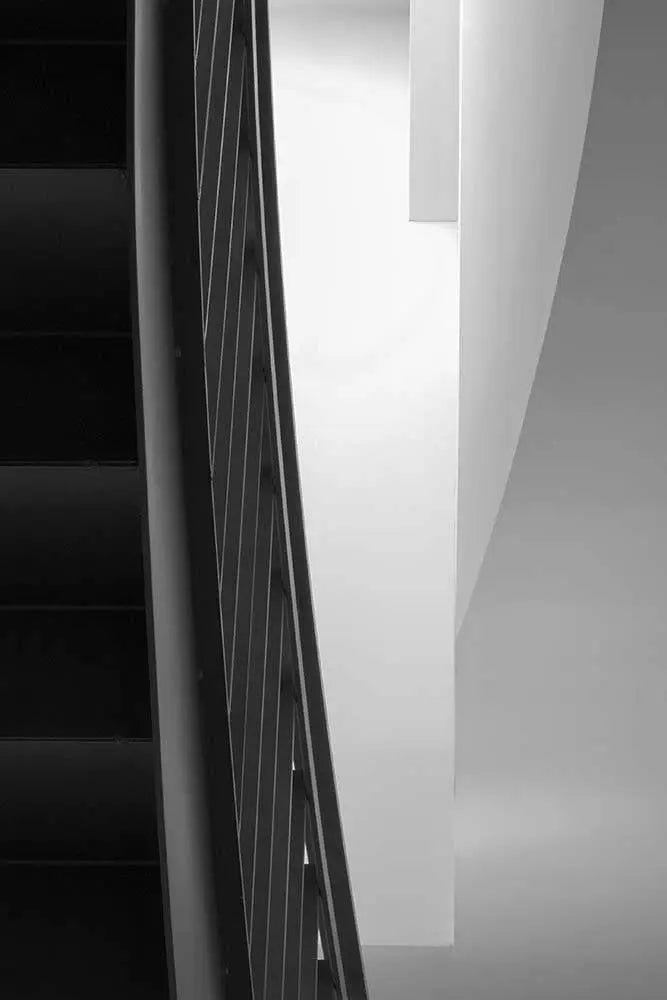
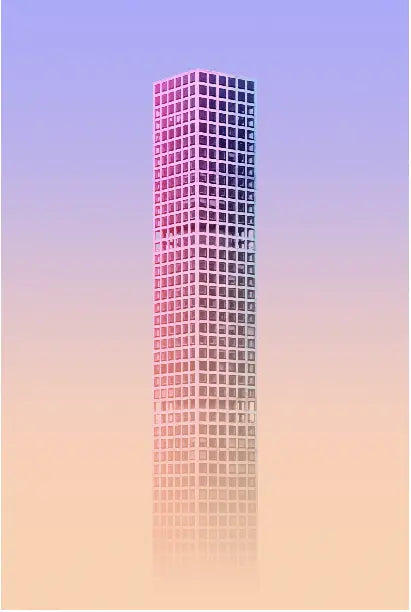
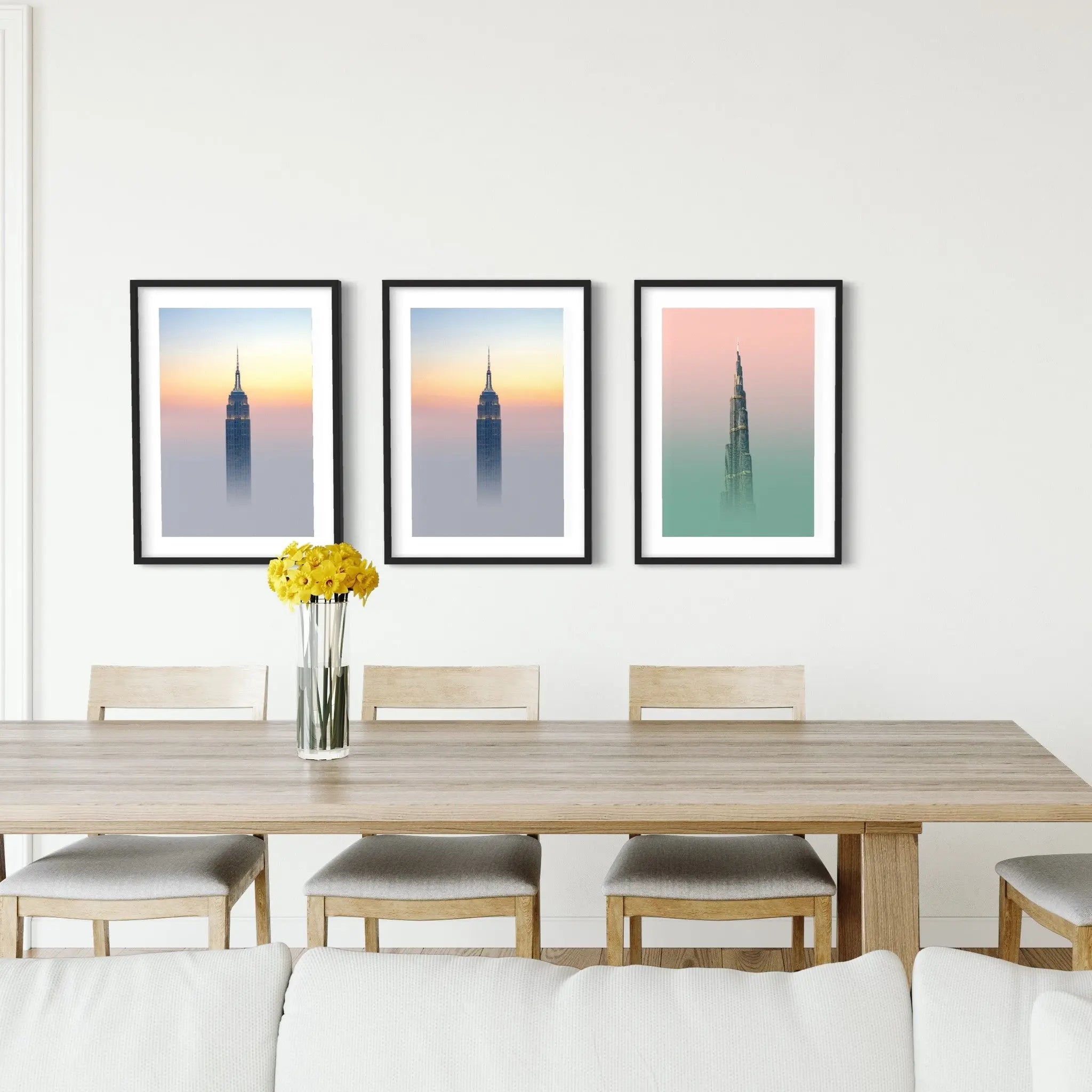
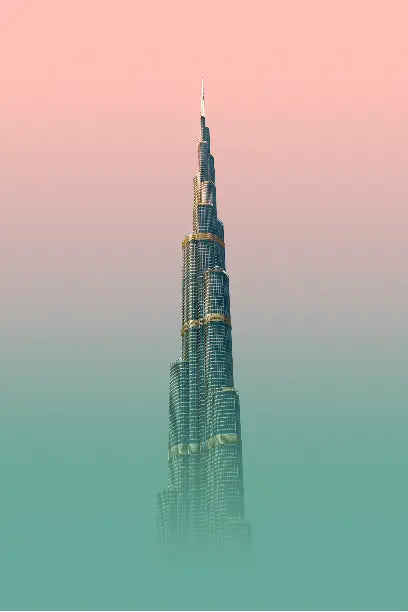
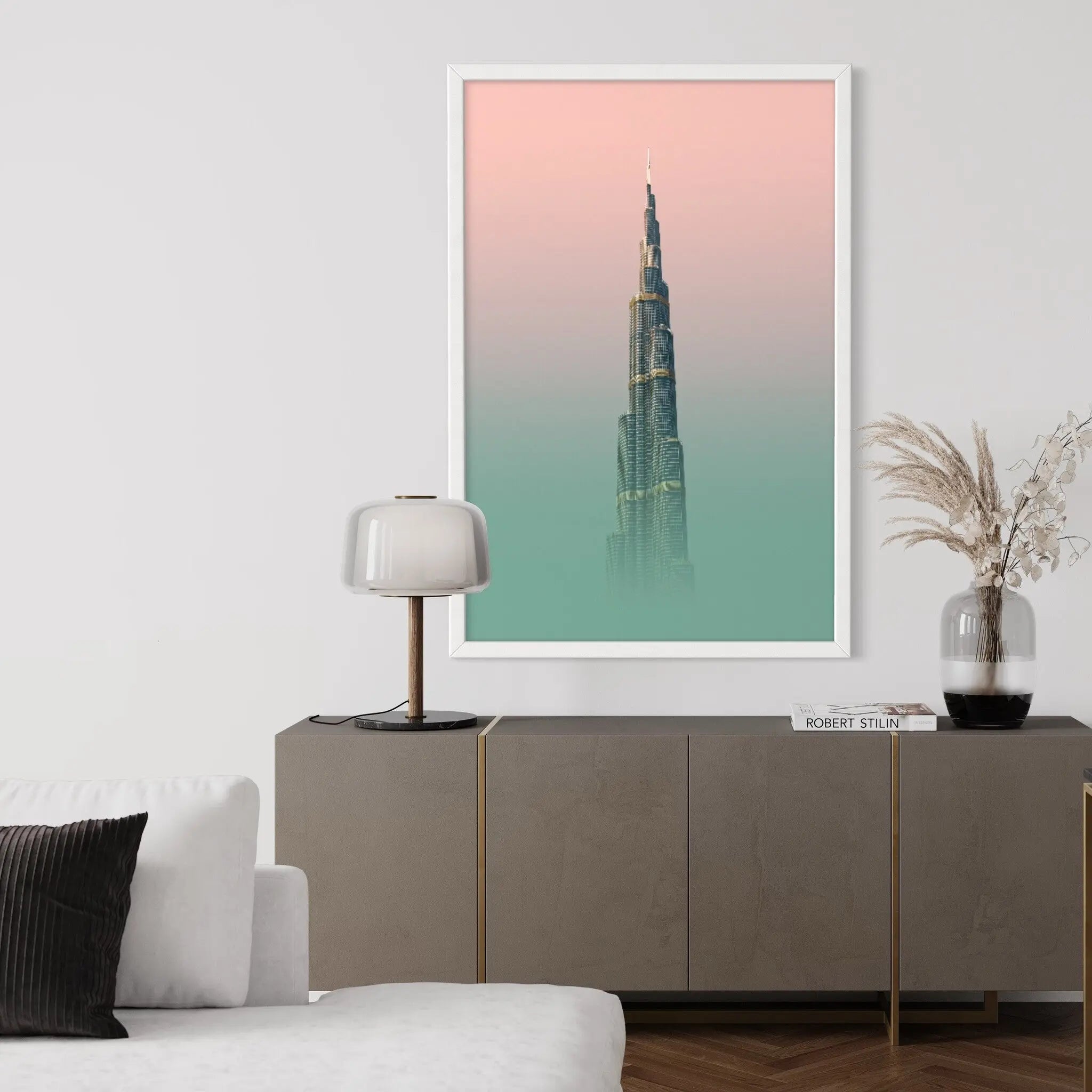
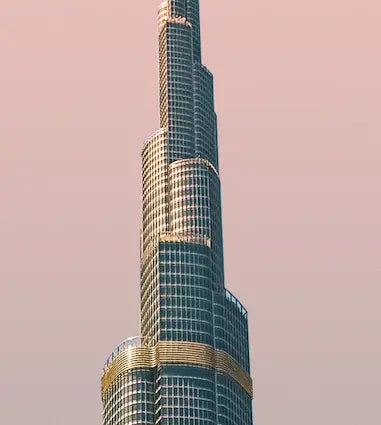
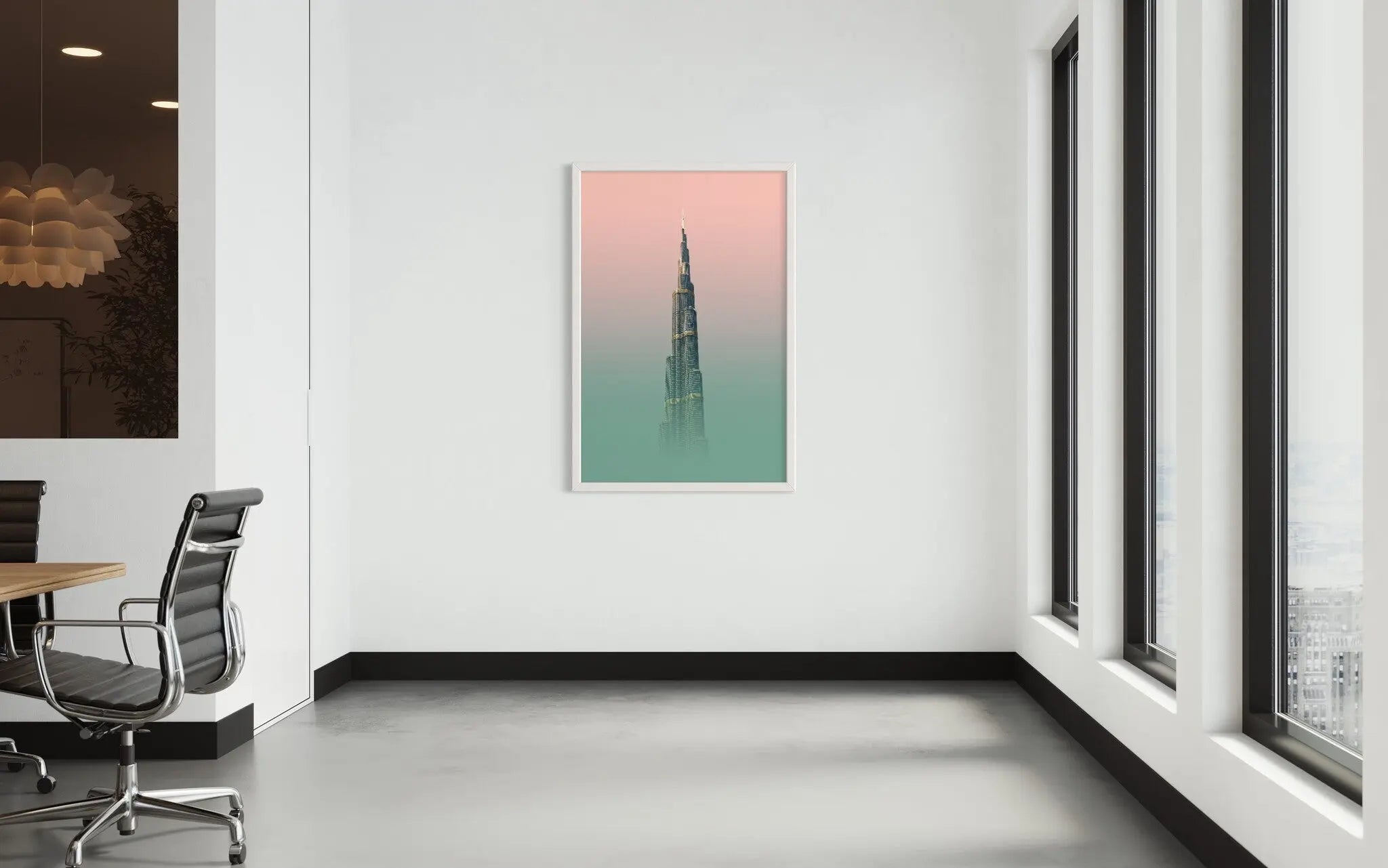
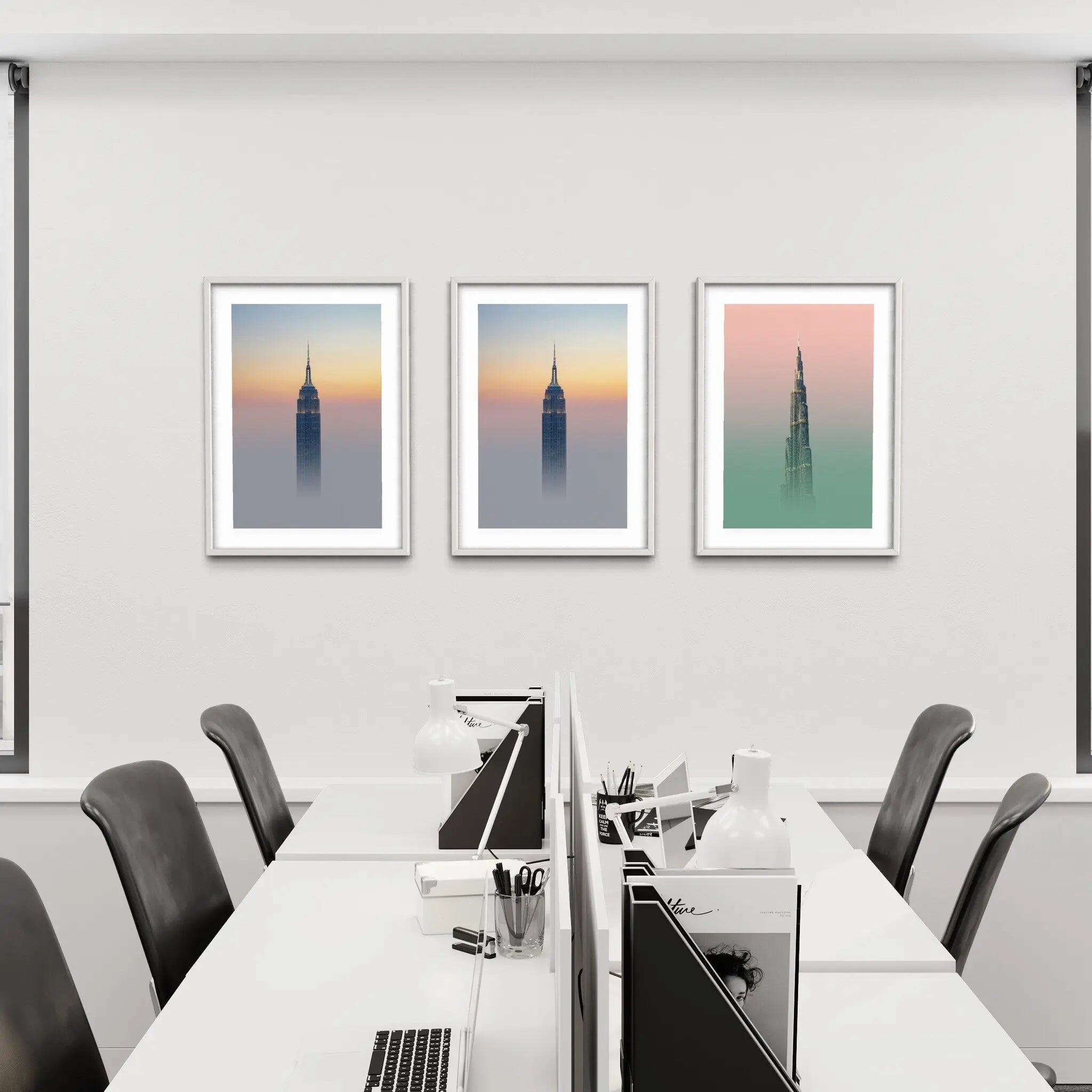
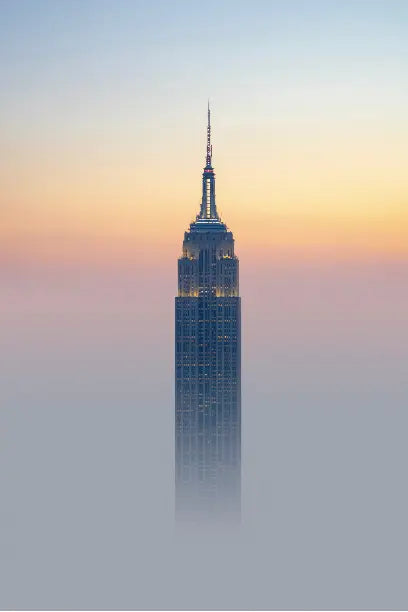
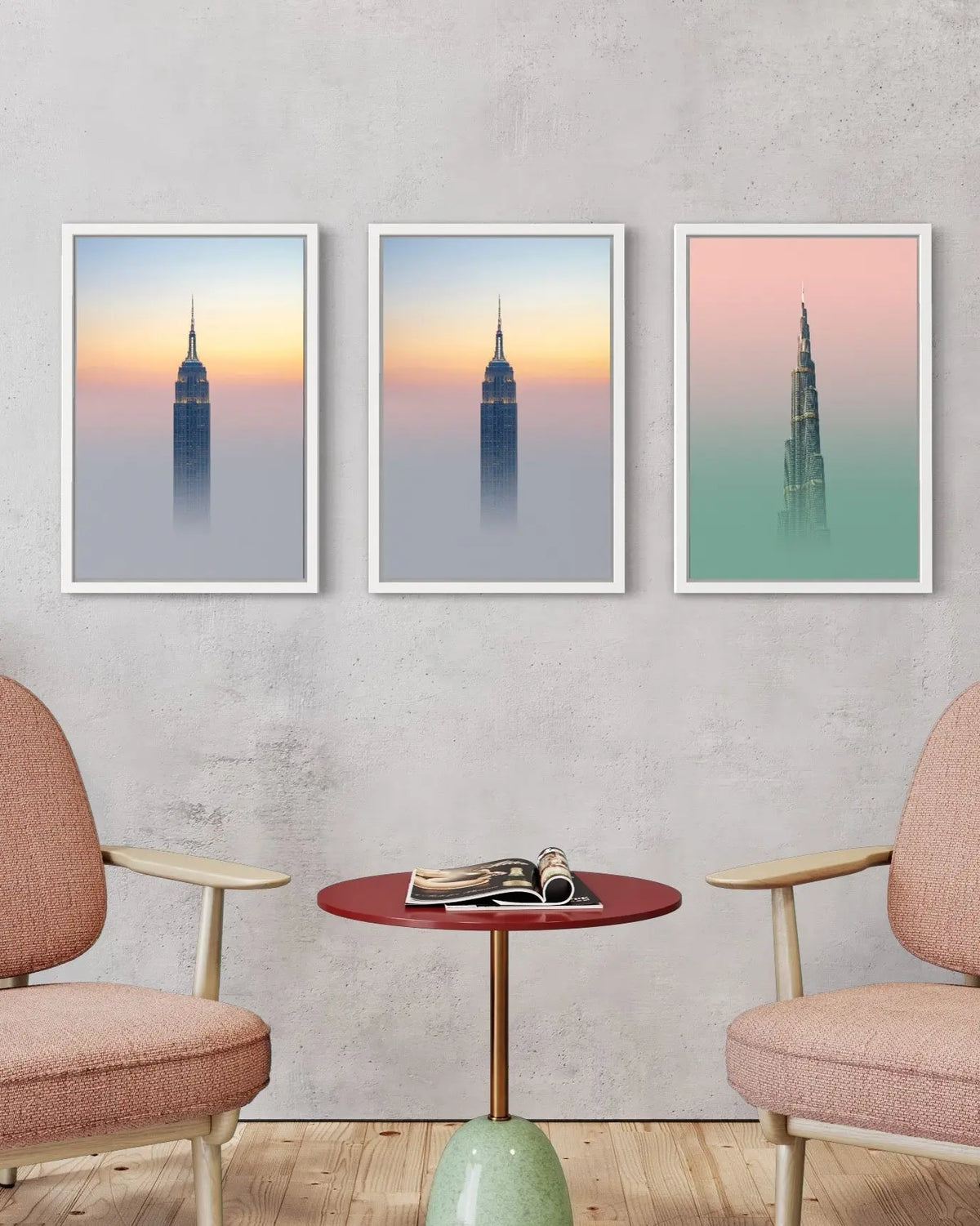
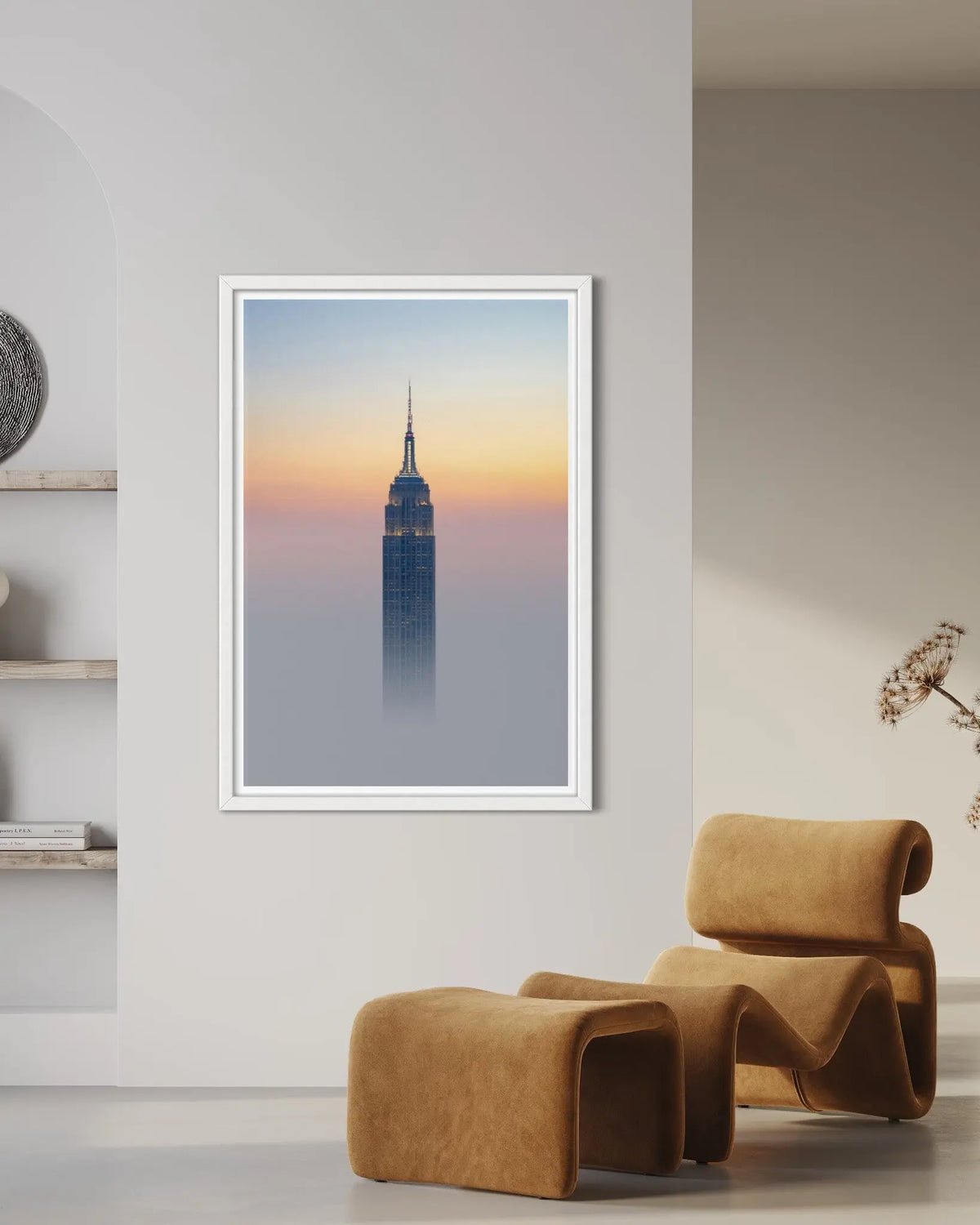
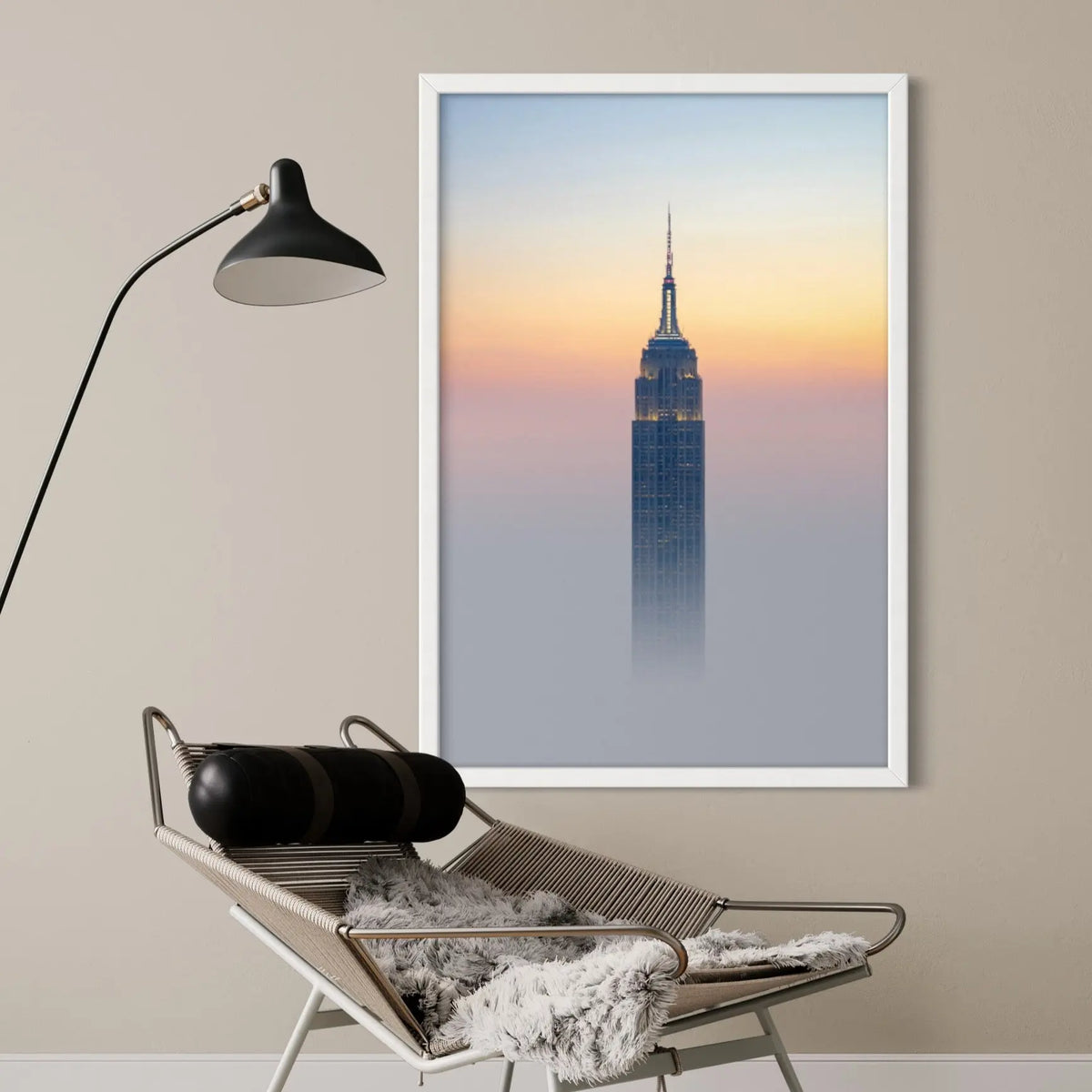
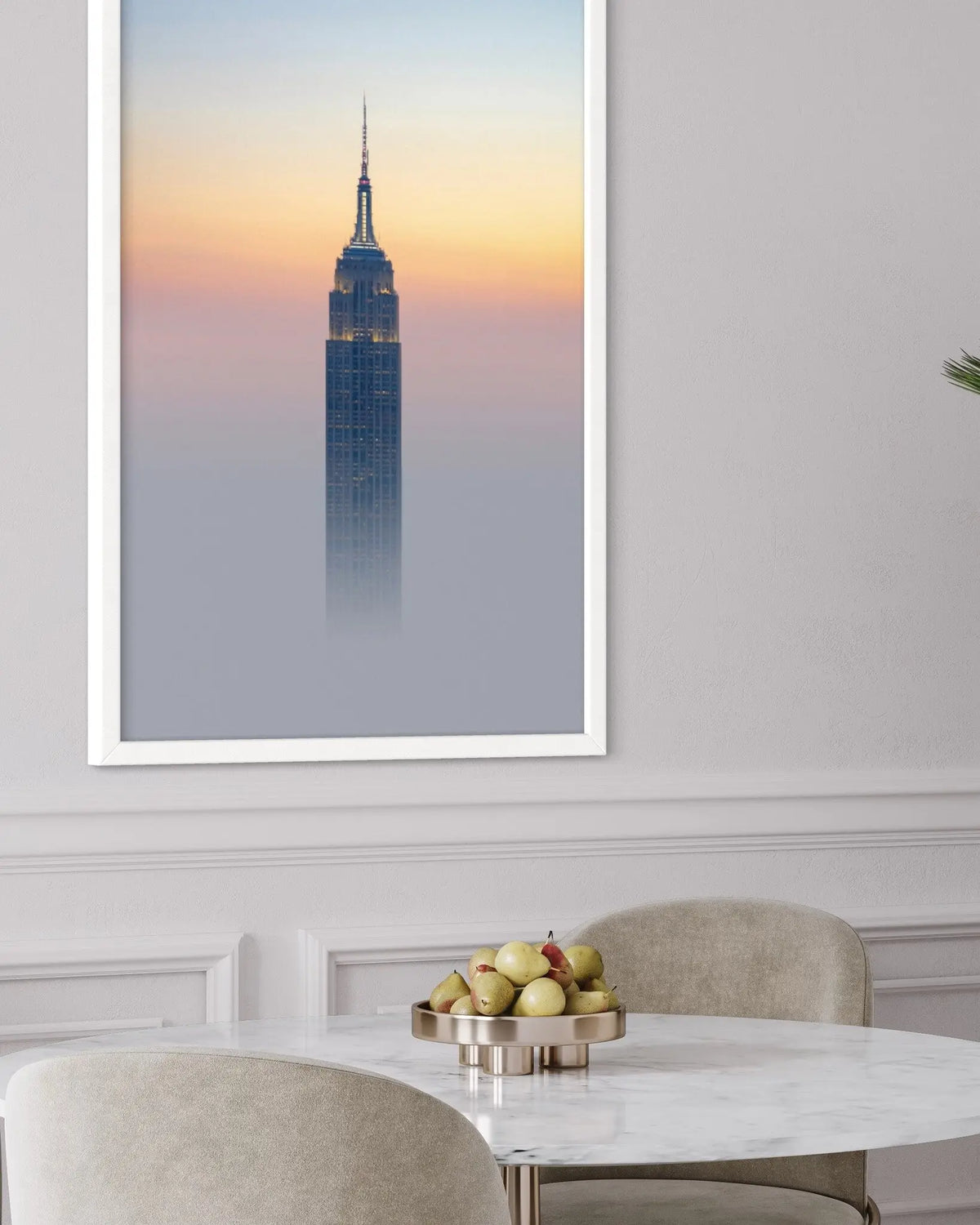
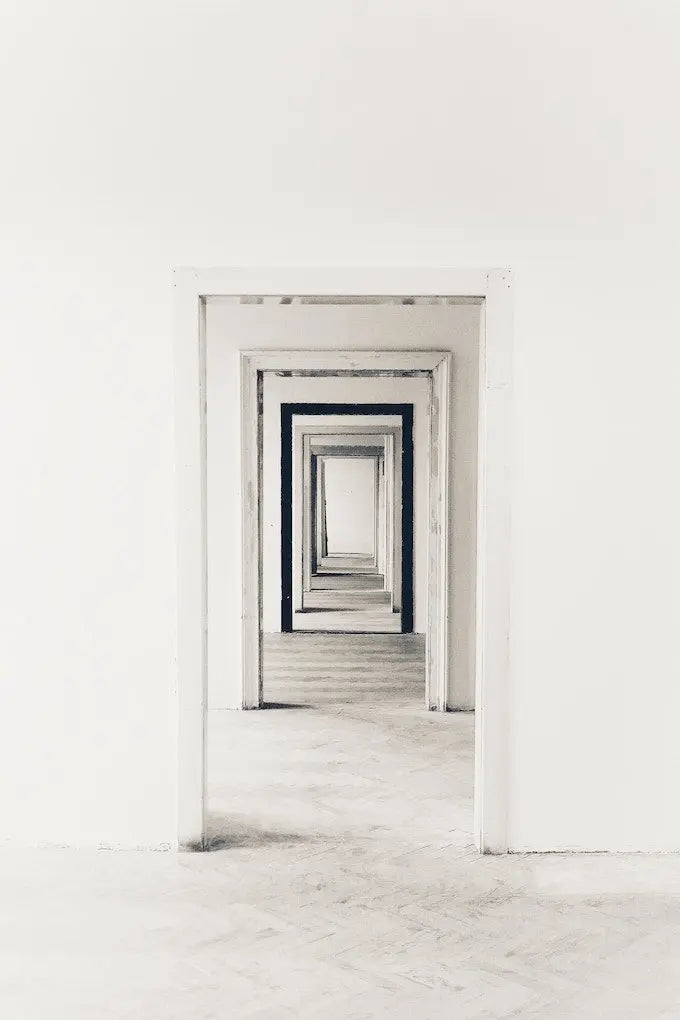
Minimalist city photography brings out the best in architecture by removing visual noise and focusing on structure, form, and balance. In this style, strong lines, open space, and simple compositions help buildings feel more powerful and refined. Skyscrapers, bridges, and facades become graphic elements that guide the eye through the image. This approach works especially well in busy cities, where careful framing can turn crowded scenes into calm, elegant photographs. By isolating key details and using symmetry or leading lines, photographers create images that feel modern, intentional, and easy to understand.
Using Light, Space, and Timing
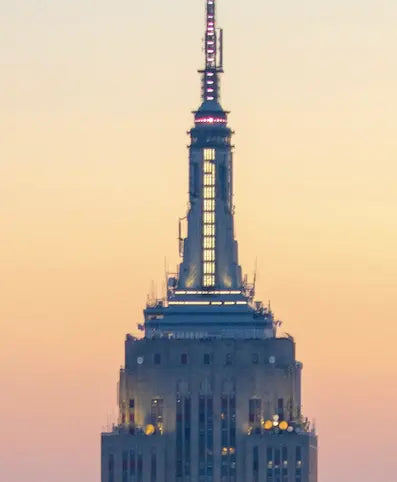
Light is one of the most important tools in minimalist city photography. Early morning and late afternoon often create soft shadows and gentle contrast that make buildings look clean and defined. Bright skies, fog, or even overcast weather can also support a simple, polished look. Negative space plays a major role too, giving the subject room to breathe and helping architectural shapes stand out. A small amount of space around a tower, wall, or street corner can make the composition feel more thoughtful. Timing matters as well, since fewer people and vehicles make it easier to capture a quiet urban mood.
Choosing Subjects With Strong Structure
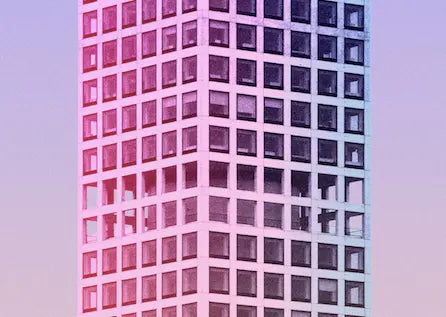
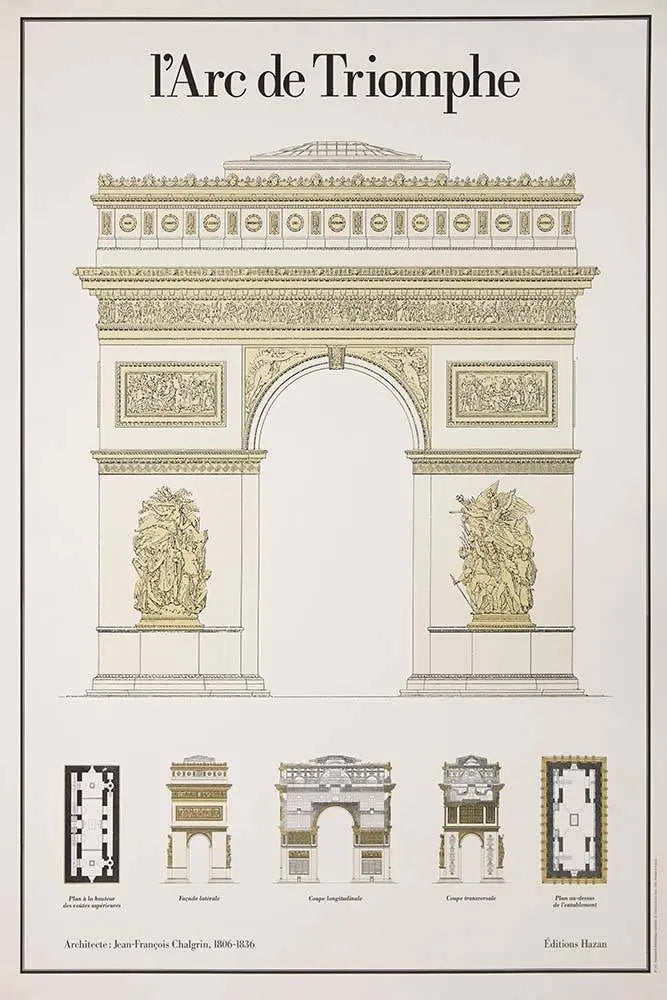
The best subjects for minimalist city photography often have bold geometry, repeating patterns, or a clear silhouette. Glass towers, concrete walls, staircases, and modern facades all offer strong visual interest without needing extra detail. Even older buildings can work well if they have clean design elements or a distinct shape. The key is to look for structure first and clutter second. A simple background helps keep attention on the architecture itself. When photographing city scenes, careful selection of angle and distance can turn ordinary buildings into striking compositions. This style rewards patience, observation, and a sharp eye for visual order.
Creating a Collection With a Consistent Style
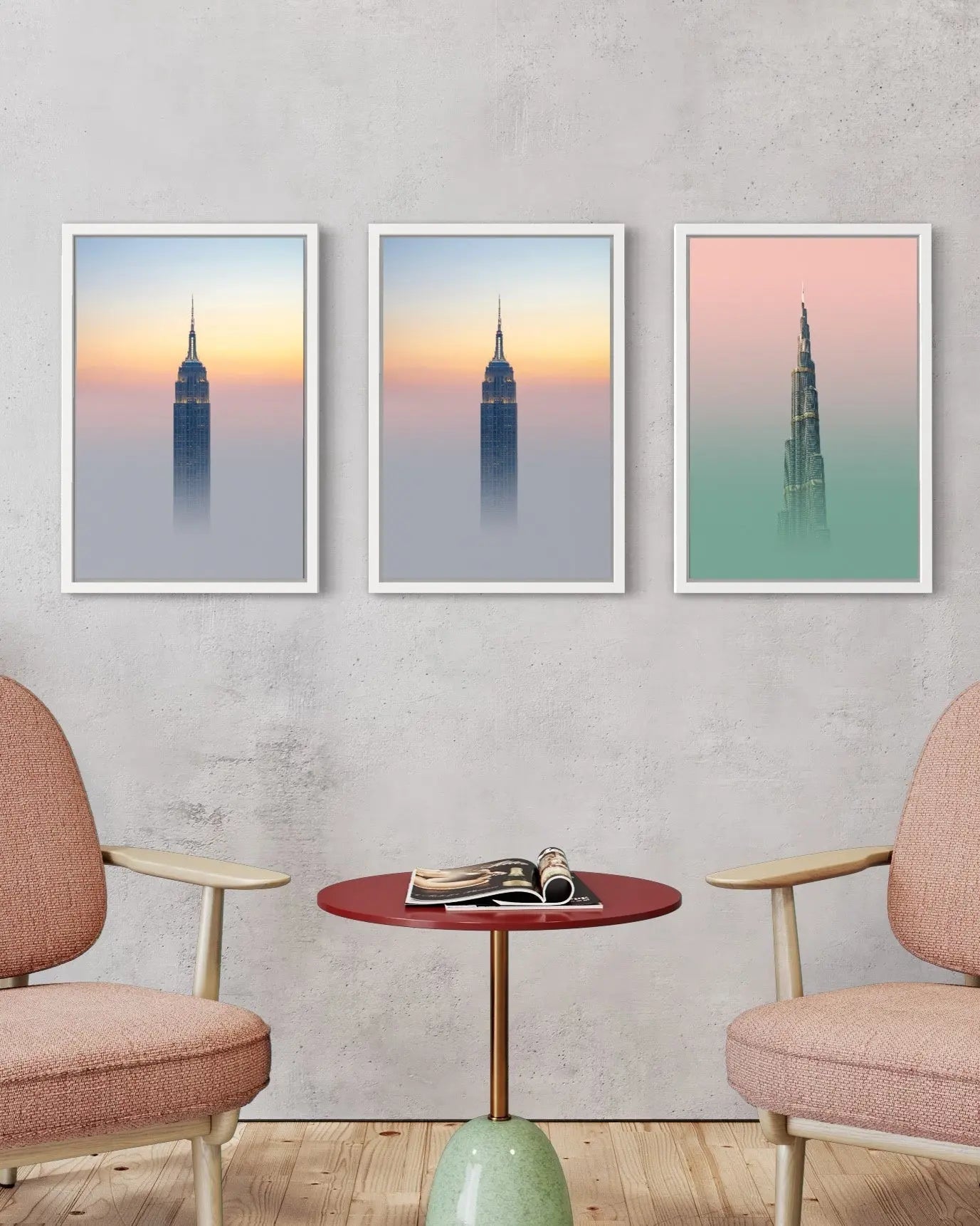
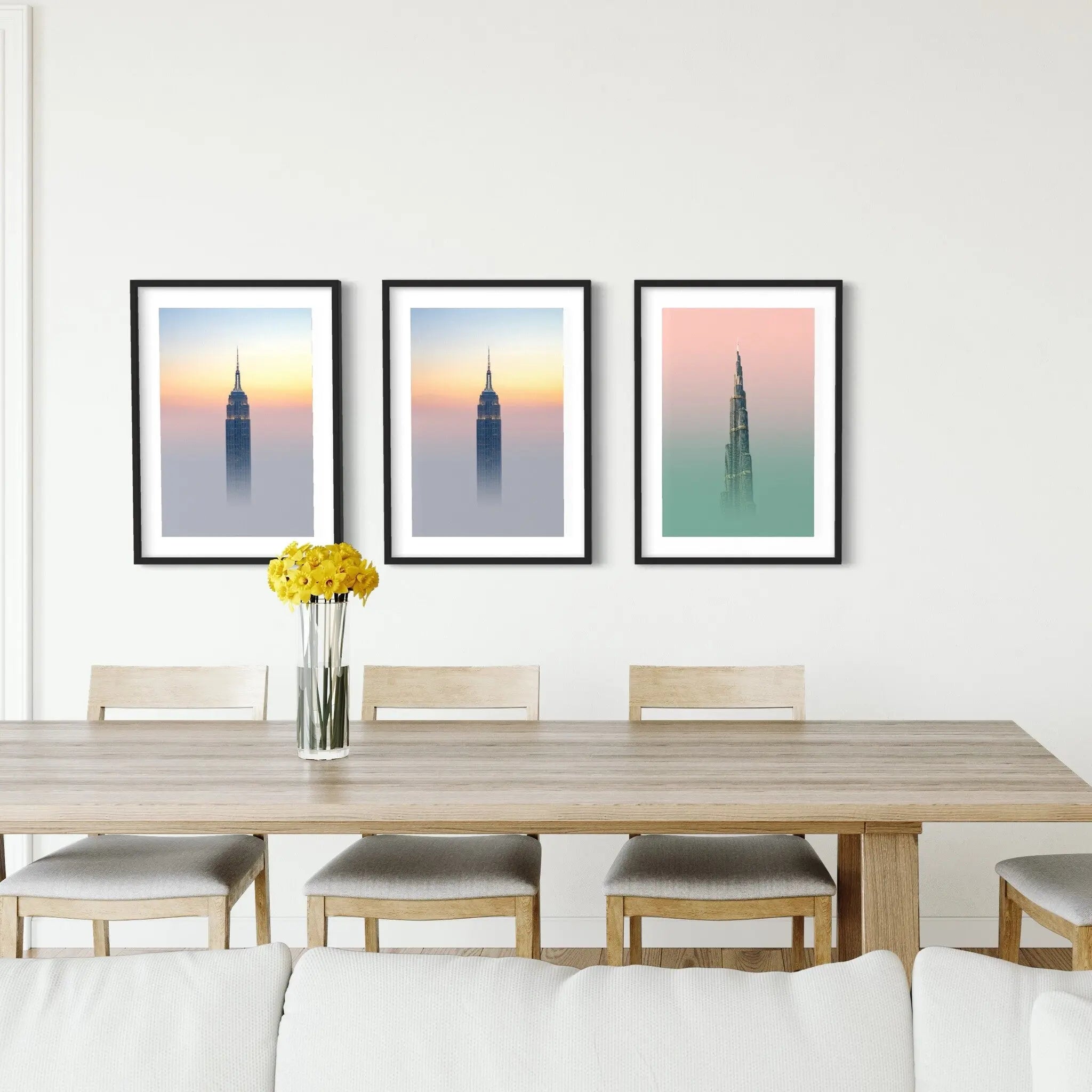
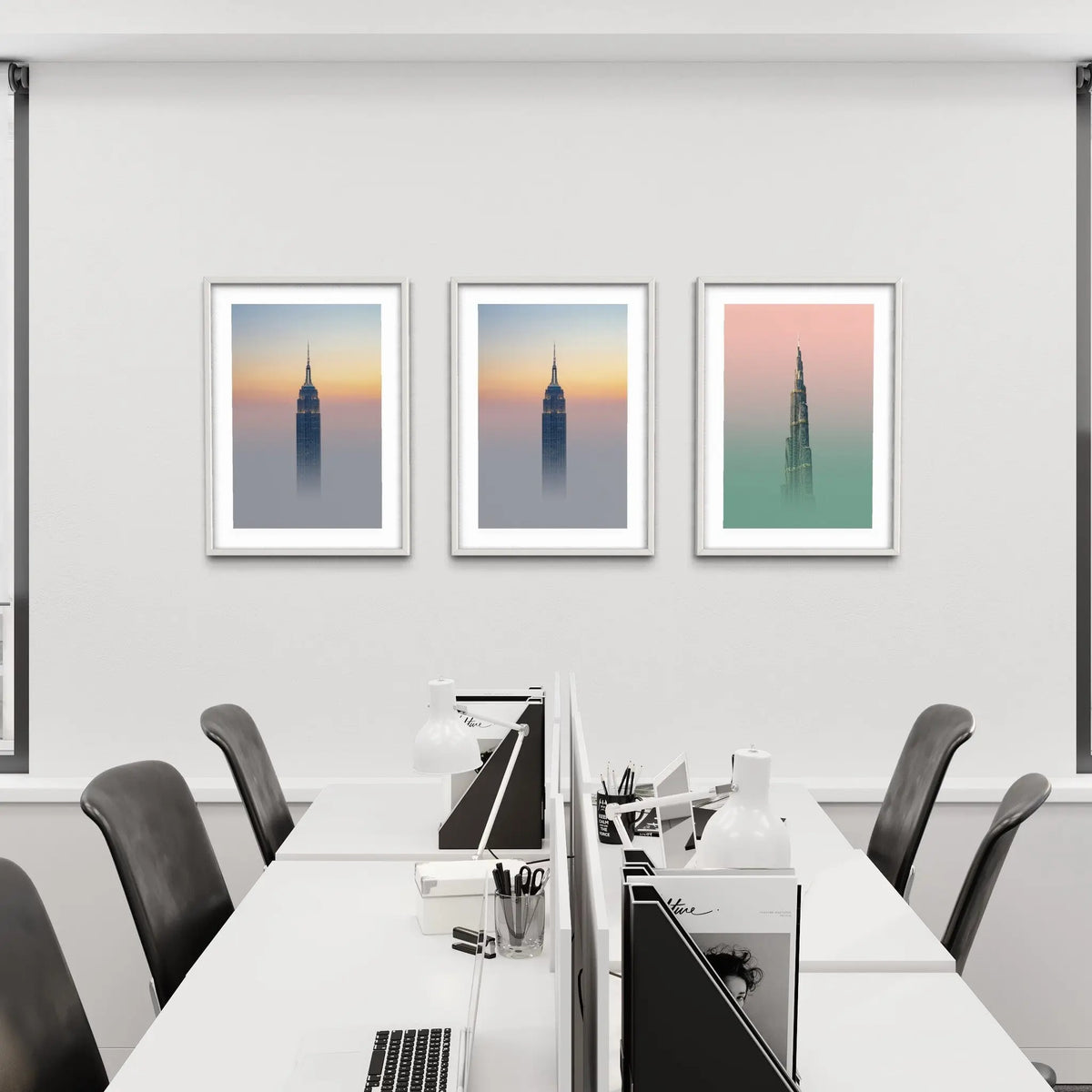
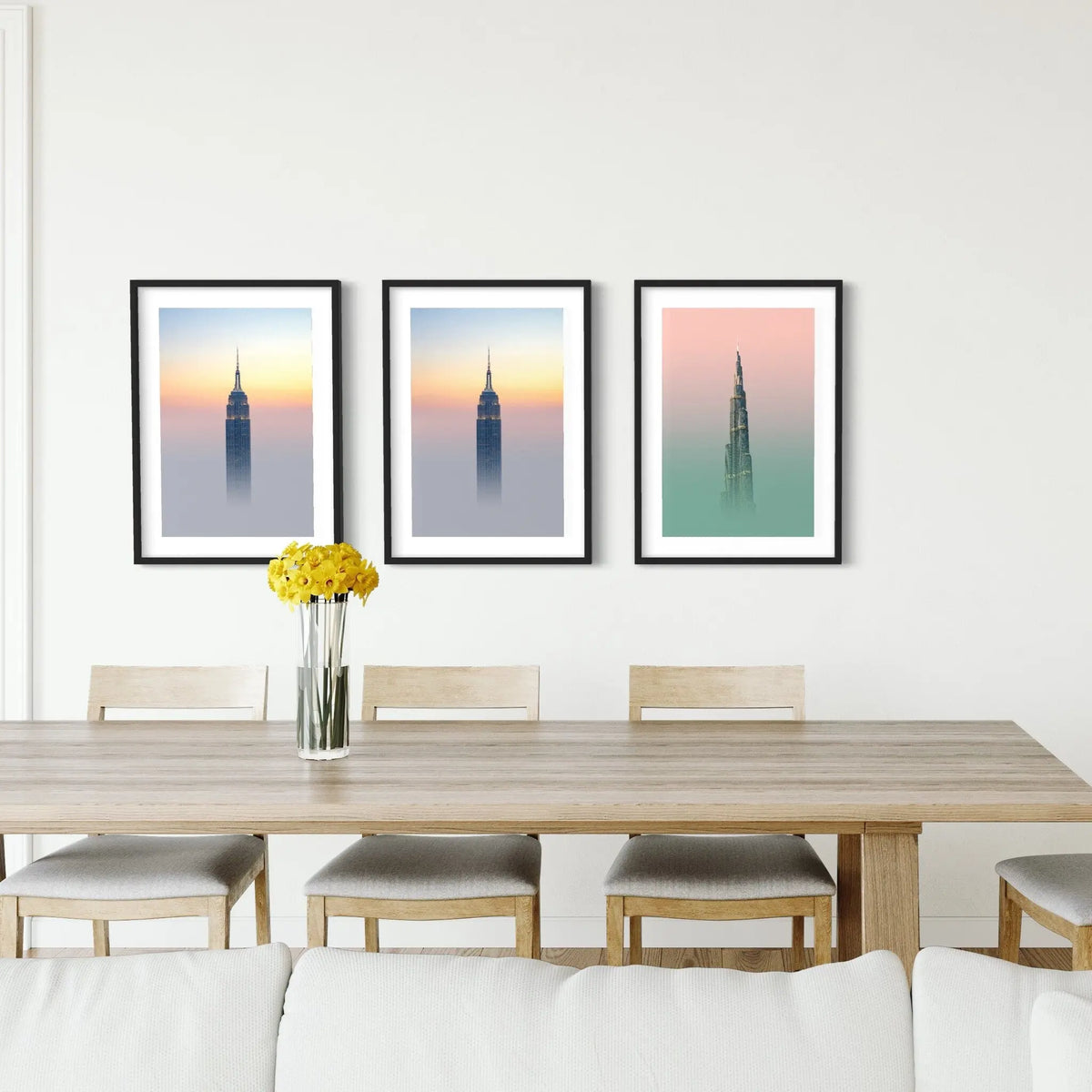
A strong collection of architectural images feels connected through color, perspective, and mood. Minimalist city photography is especially effective when the photographer keeps a consistent style across the series. Using similar tones, repeated framing choices, and a steady focus on geometry helps the set feel polished and cohesive. Black and white can emphasize contrast and shape, while muted colors can add a calm, modern tone. Whether the goal is a gallery, portfolio, or editorial collection, consistency makes the work more memorable. Each image should stand on its own, but together they should tell a clear visual story about the city and its architecture.